
Parrots are intelligent, energetic, and long-living birds that require thoughtful nutrition to stay healthy. Choosing the right foods for parrots is one of the most important responsibilities of any bird owner. A proper diet affects feather quality, immune strength, digestion, behavior, and even lifespan. When parrots receive balanced nutrition, they are more active, social, and vibrant. 🌈
Understanding what to feed and what to avoid helps you build a diet that supports both physical and mental wellbeing.
🌿 Understanding a Parrot’s Nutritional Needs
Parrots need a combination of:
✔️ High-quality protein for muscle and feather growth
✔️ Healthy fats for sustained energy
✔️ Vitamins for immune support
✔️ Minerals for strong bones and beak health
✔️ Fiber for proper digestion
Unlike wild parrots that fly long distances and forage throughout the day, pet parrots rely completely on their caregivers for balanced meals. That means variety and quality matter greatly.
🥣 Pellets: The Foundation of Modern Parrot Diets
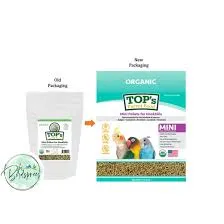
One of the most recommended foods for parrots today is formulated pellets. Pellets are designed to provide complete and consistent nutrition in every bite. This prevents parrots from picking only their favorite ingredients, which often happens with loose seed mixes.
Benefits of pellets include:
🌟 Balanced vitamins and minerals
🌟 Reduced risk of nutrient deficiencies
🌟 Better weight management
🌟 Support for long-term organ health
Pellets typically make up 60–70% of a healthy parrot’s daily diet. Transitioning from seeds to pellets should be done gradually to avoid stress.
🥕 Fresh Vegetables: Daily Nutritional Boost 🥬
Vegetables are essential foods for parrots because they provide natural antioxidants and fiber. Many parrots enjoy colorful veggies, especially when chopped into small, manageable pieces.
Great vegetable choices include:
🥦 Broccoli
🥕 Carrots
🌶️ Bell peppers
🥬 Leafy greens
🥒 Zucchini
Offering vegetables daily supports digestion, feather vibrancy, and immune strength. Rotate options regularly to keep meals exciting.
🍎 Fruits: Sweet but Occasional 🍓
Fruits are packed with vitamins but also contain natural sugars. They should be offered in moderation usually a few times per week.
Safe fruit options:
🍏 Apples (without seeds)
🍌 Bananas
🍇 Grapes
🍓 Berries
🥭 Mango
Fruits can also be used during training sessions as small rewards. Keep portions controlled to avoid excess sugar intake.
🌰 Seeds and Nuts: Treats, Not Staples
Seeds and nuts are often associated with parrot feeding, but they should not be the main component of the diet. While they provide energy and enrichment, they are typically high in fat.
Use seeds and nuts:
✔️ As training treats
✔️ Inside foraging toys
✔️ In small daily amounts
Limiting high-fat foods helps prevent obesity and liver problems, which are common in parrots fed seed-only diets.
🧩 The Importance of Foraging Foods
In the wild, parrots spend hours searching for food. Replicating this behavior through foraging activities is important for mental stimulation. Foods hidden in safe puzzle toys or wrapped in paper encourage natural instincts and reduce boredom.
Enrichment feeding:
🧠 Keeps parrots mentally sharp
🎯 Prevents destructive behavior
💚 Supports emotional wellbeing
Feeding should never be just routine it should also be engaging.
💧 Hydration Matters Too
Fresh, clean water must always be available. Change water daily and clean bowls thoroughly. Proper hydration supports digestion, temperature regulation, and nutrient absorption.
🚫 Foods to Avoid
Some human foods are toxic or unsafe for parrots. Avoid giving:
🚫 Avocado
🚫 Chocolate
🚫 Caffeine
🚫 Alcohol
🚫 Onions and garlic
🚫 Salty or fried snacks
Even small amounts can cause serious health issues.
📅 Sample Balanced Feeding Plan
Here’s a simple daily structure for balanced foods for parrots:
Morning ☀️
🥣 Pellets as the main meal
Afternoon 🌿
🥬 Fresh vegetables
Evening 🌙
🌰 Small seed or nut treat
Fruits can be offered a few times per week as part of enrichment.
🏆 Choosing Quality Foods for Parrots
When selecting foods for parrots, focus on quality ingredients and nutritional balance. Look for options that prioritize essential vitamins and natural formulations rather than artificial fillers. High-quality food choices make it easier to maintain your parrot’s ideal weight and overall health.
A diverse, balanced diet leads to:
✨ Brighter feathers
✨ Higher energy
✨ Better mood
✨ Stronger immunity
✨ Longer lifespan
❤️ Final Thoughts
Providing the right foods for parrots is about balance, consistency, and care. A combination of nutrient-rich pellets, fresh vegetables, limited fruits, and controlled seed portions creates a diet that supports both body and mind.
When parrots are fed properly, they thrive showing off glossy plumage, playful personalities, and lively chatter. 🐦💛
Investing time in proper nutrition today ensures many happy, healthy years with your feathered companion.















Sign in to leave a comment.