
In today's digital landscape, a well-designed landing page can make or break a user's first impression of your product or service. Crafting a stunning UI/UX landing page is both an art and a science, requiring a blend of creativity, strategy, and technical expertise. This comprehensive guide will walk you through the step-by-step process of creating a landing page that not only looks great but also effectively engages and converts visitors.
1. Define Your Goals and Target Audience
Before diving into design, it's crucial to establish clear objectives for your landing page. Are you aiming to generate leads, increase sales, or promote a new product? Understanding your goals will shape every aspect of your design process.
Equally important is identifying your target audience. Create detailed user personas that encompass demographics, psychographics, and user behaviors. This information will guide your design choices and ensure your landing page resonates with your intended audience.
2. Research and Analyze Competitors
Conduct thorough research on your competitors' landing pages. Analyze what works well and what doesn't. Look for common design elements, messaging strategies, and unique selling propositions. This analysis will help you identify opportunities to differentiate your landing page and avoid common pitfalls in your industry.
3. Develop a Content Strategy
Content is the foundation of any effective landing page. Start by crafting a compelling headline that clearly communicates your value proposition. Follow this with concise, benefit-driven copy that addresses your users' pain points and explains how your product or service solves their problems.
Organize your content into a logical hierarchy, using subheadings, bullet points, and short paragraphs to improve readability. Remember to incorporate relevant keywords for SEO purposes, but always prioritize user experience over search engine optimization.
4. Create a Wireframe
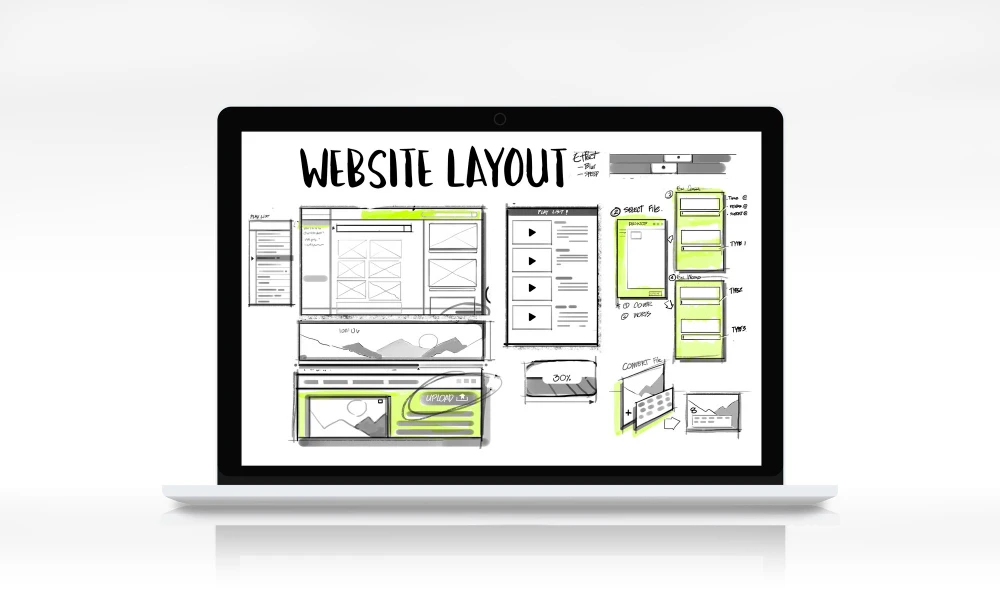
With your content strategy in place, it's time to start visualizing the layout of your landing page. Create a wireframe to establish the basic structure and hierarchy of your page elements. This low-fidelity representation allows you to focus on the placement of key components such as headlines, images, forms, and call-to-action buttons without getting distracted by visual details.
Use tools like Sketch, Figma, or even pen and paper to quickly iterate on different layout options. Test your wireframes with stakeholders and potential users to gather feedback and refine your design direction.
5. Design the Visual Elements
Now comes the exciting part – bringing your landing page to life with visual design. Start by establishing a color palette that aligns with your brand identity and evokes the right emotional response from your target audience. Choose typography that is both legible and reflective of your brand personality.
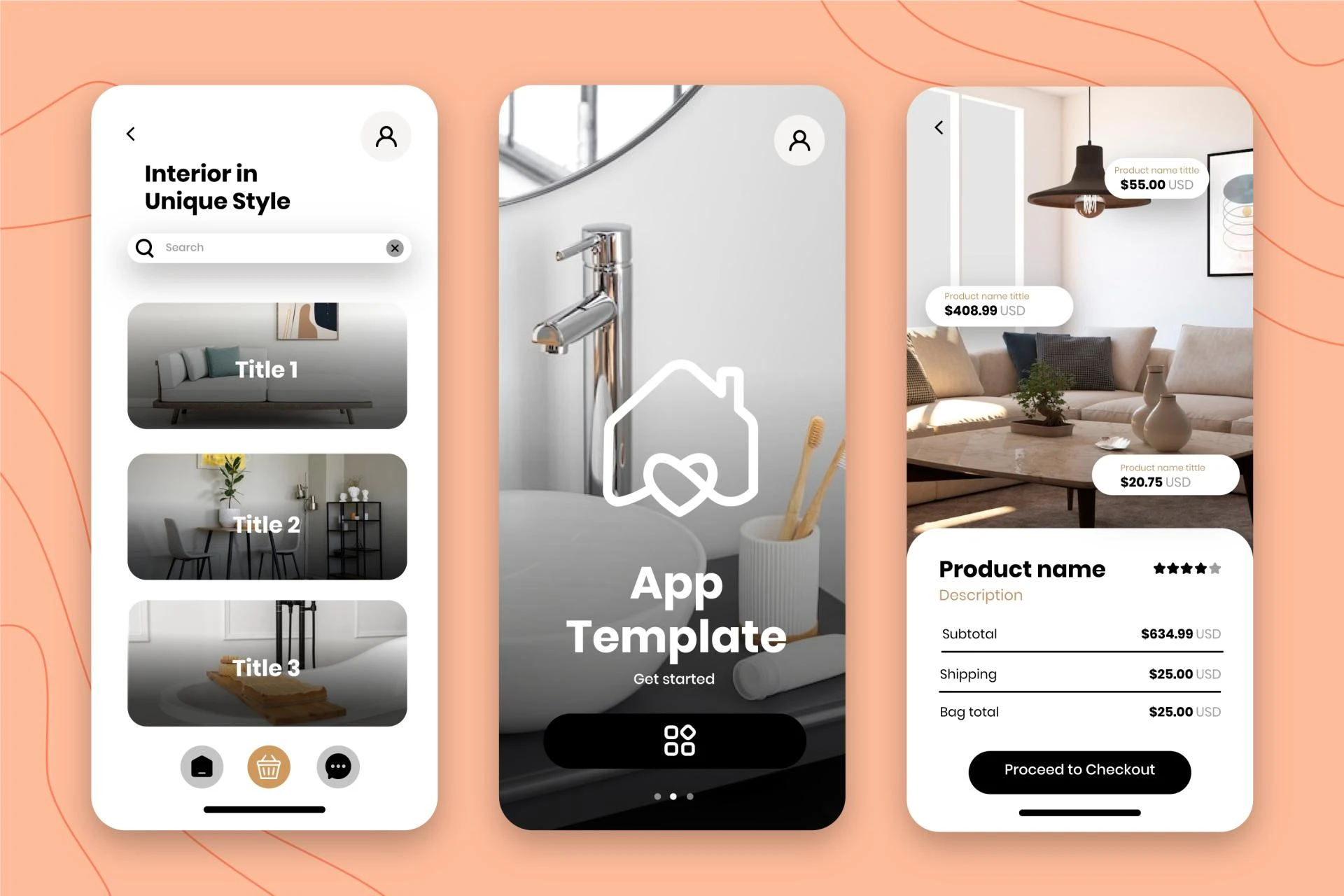
Incorporate high-quality images, illustrations, or videos that support your messaging and showcase your product or service. Pay attention to visual hierarchy, using size, color, and positioning to guide users' attention to the most important elements on the page.
6. Optimize for User Experience (UX)
A visually stunning landing page is only effective if it provides a seamless user experience. Ensure your page loads quickly by optimizing images and minimizing unnecessary scripts. Implement a responsive design that adapts to different screen sizes and devices.
Consider the user's journey through your page, making sure that the flow of information is logical and intuitive. Use white space effectively to create visual breathing room and improve content digestibility.
7. Craft Compelling Calls-to-Action (CTAs)
Your call-to-action is the gateway to conversion, so it deserves special attention. Design eye-catching CTA buttons that stand out from the rest of the page. Use action-oriented, benefit-driven copy that creates a sense of urgency or excitement.
Strategically place multiple CTAs throughout the page, ensuring that users always have a clear path to take action, regardless of where they are in their scrolling journey.
8. Implement Social Proof and Trust Elements
Build credibility and trust with your audience by incorporating social proof elements. This can include customer testimonials, client logos, case studies, or trust badges from recognized authorities in your industry. Displaying these elements prominently can significantly boost your conversion rates.
9. Develop and Test Interactive Elements
Consider adding interactive elements to engage users and make your landing page more memorable. This could include hover effects, animated transitions, or even simple mini-games or quizzes related to your product or service. However, be cautious not to overdo it – the goal is to enhance the user experience, not distract from your main message.
10. Conduct A/B Testing
Once your landing page is live, the work isn't over. Implement A/B testing to continuously refine and improve your design. Test different variations of headlines, images, CTAs, and layout to identify what resonates best with your audience. Use tools like Google Optimize or Optimizely to set up and analyze your tests.
11. Analyze and Iterate
Regularly review your landing page's performance using analytics tools. Pay attention to metrics like bounce rate, time on page, and conversion rate. Use heat mapping tools to understand how users interact with your page and identify areas for improvement.
Based on your analysis, continually iterate on your design. UI/UX is an ongoing process, and there's always room for optimization and improvement.
12. Ensure Accessibility and Inclusivity
As a final but crucial step, ensure your landing page is accessible to all users, including those with disabilities. Implement proper contrast ratios, add alt text to images, and ensure your page is navigable via keyboard. Not only is this ethically important, but it also expands your potential audience and can improve your SEO rankings.
Conclusion
Crafting a stunning UI/UX landing page is a multifaceted process that requires careful planning, creativity, and continuous refinement. By following these steps and always keeping your users' needs at the forefront of your design decisions, you can create a landing page that not only looks beautiful but also effectively achieves your business goals.
Remember, the best landing pages are those that strike a perfect balance between aesthetic appeal and functional design. They guide users effortlessly towards a desired action while providing a memorable and enjoyable experience. With patience, attention to detail, and a willingness to iterate based on user feedback and data, you can create a landing page that stands out in today's crowded digital landscape and drives real results for your business.
Visit my Upwork project catalog : Elementor Developer






















Sign in to leave a comment.