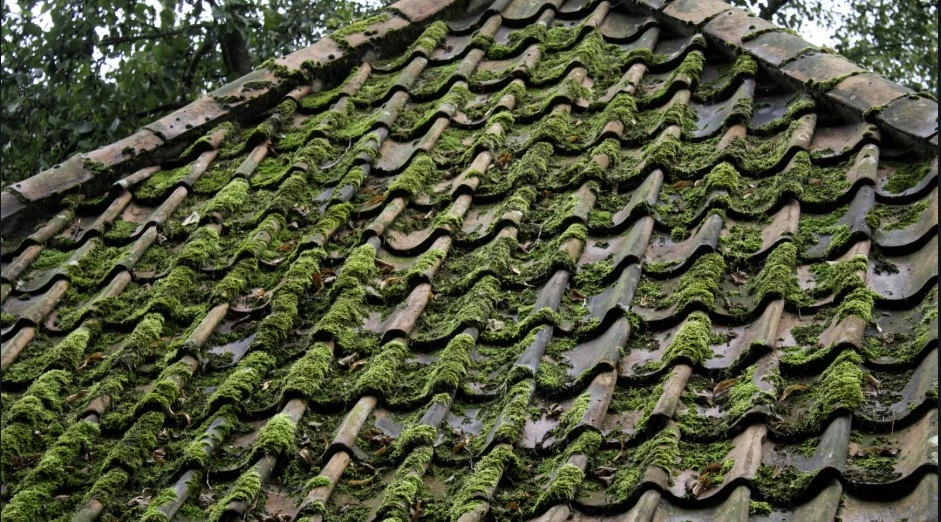

Keeping your home’s exterior clean and well-maintained is more than just about appearances—it’s about protecting your property’s value and ensuring its longevity. One of the most overlooked yet damaging issues homeowners face is moss growth. Whether on your roof, driveway, or siding, moss can slowly weaken structures, retain moisture, and lead to costly repairs if ignored.
This guide will walk you through practical moss treatment tips to transform your home from green and weathered to clean and well-protected. By the end, you’ll know exactly how to tackle moss safely, prevent it from coming back, and keep your home looking fresh year-round.
1. Why Moss Growth is More Than Just an Eyesore
At first glance, moss might look harmless, even adding a bit of rustic charm. But beneath the surface, it can cause serious problems:
- Roof damage: Moss traps moisture, which weakens shingles, causes rot, and shortens your roof’s lifespan.
- Foundation risks: On sidewalks and driveways, moss makes surfaces slippery and dangerous to walk on.
- Moisture retention: It keeps areas damp, which attracts pests and accelerates mold or mildew growth.
- Curb appeal loss: A moss-covered home exterior looks neglected and can lower property value.
Understanding these risks is the first step in seeing moss as a problem worth addressing quickly.
2. Spotting Moss Before It Takes Over
The earlier you catch moss growth, the easier it is to remove. Look for these early warning signs:
- Green patches on shaded roof areas or siding.
- Slimy or spongy textures underfoot on walkways.
- Persistent dampness in areas with poor sunlight exposure.
- Black streaks or discoloration often signal algae and moss growing together.
Performing a quick inspection after every rainy season can help you spot trouble before it spreads.
3. Common Places Moss Loves to Grow
Moss thrives in moist, shaded, and humid environments. The most common trouble spots include:
- Roof shingles, especially on north-facing slopes.
- Driveways, patios, and walkways with cracks or uneven surfaces.
- Gutters clogged with leaves and debris.
- Siding and brick walls in shaded areas.
- Around foundations where drainage is poor.
Knowing these hotspots makes it easier to target your cleaning efforts.
4. Safety First: Precautions Before Treating Moss
Before you grab a brush or spray, remember that moss removal can be risky. Follow these safety steps:
- Wear non-slip shoes when walking on wet surfaces.
- Use a safety harness if working on the roof.
- Choose the right weather—dry, mild days are best.
- Protect landscaping by covering plants before applying moss-killing products.
- Wear gloves and goggles when using chemical solutions.
Being cautious ensures you remove moss without creating new problems.
5. DIY Moss Removal Methods That Work
For small patches of moss, DIY methods can be both effective and budget-friendly. Here are a few tried-and-true options:
- Scrubbing with a stiff brush: Best for sidewalks and patios.
- Homemade vinegar spray: Mix equal parts vinegar and water, spray on moss, and let it sit before rinsing.
- Baking soda application: Sprinkle baking soda on damp moss; it dries and kills it naturally.
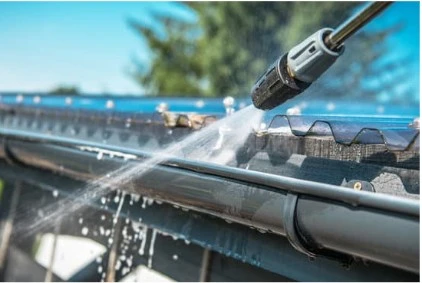
- Gentle pressure washing: Useful for driveways but should be avoided on roofs to prevent damage.
DIY methods are great for prevention and early treatment but may not be enough for widespread infestations.
6. Professional Moss Treatment: When to Call in Experts
If moss has spread across your roof or deeply embedded in concrete, professional moss removal services are the smarter choice. Professionals bring:
- Specialized tools that remove moss without damaging surfaces.
- Eco-friendly solutions that prevent regrowth.
- Thorough inspections to check for hidden damage.
- Long-term treatments that save money on future repairs.
Think of it as an investment in your home’s longevity and safety.
7. Moss Prevention Tips That Save You Work
Prevention is always easier than cleanup. Try these strategies:
- Trim overhanging trees to reduce shade.
- Improve drainage around your home to keep surfaces dry.
- Clean gutters regularly to avoid water buildup.
- Install zinc or copper strips on roof ridges—rainwater carries the metals down, deterring moss.
- Sweep driveways and patios to prevent organic debris buildup.
Consistent maintenance reduces the chance of moss ever taking hold.
8. Eco-Friendly Moss Control Options
If you’re concerned about chemicals harming the environment, consider eco-friendly moss treatments:
- Hydrogen peroxide solutions—effective yet biodegradable.
- Citrus-based cleaners—safe for plants and pets.
- Natural sunlight exposure—pruning trees to let light in often does the trick.
These approaches balance effective moss control with protecting your surrounding landscape.
9. How Moss Removal Boosts Home Value
A moss-free home doesn’t just look better—it actually improves value. Here’s how:
- Boosts curb appeal—first impressions matter to buyers.
- Protects structural integrity—a roof free of moss lasts years longer.
- Increases safety—slip-free sidewalks make a property more appealing.
- Shows maintenance care—buyers feel confident in a well-kept home.
In today’s competitive real estate market, moss treatment is a simple way to give your property an edge.
10. Mistakes to Avoid in Moss Treatment
Not all moss removal efforts are equal. Avoid these common errors:
- Using harsh pressure washing on shingles—it strips away protective layers.
- Overusing chemicals that harm landscaping.
- Ignoring small moss patches that quickly spread.
- Skipping preventive steps like trimming trees or cleaning gutters.
Learning from these mistakes ensures you don’t waste time, money, or effort.
11. Seasonal Moss Treatment Checklist
Moss treatment isn’t a one-time job. Use this seasonal checklist for year-round protection:
- Spring: Inspect roof and siding after winter rains.
- Summer: Trim trees and increase sunlight exposure.
- Fall: Clean gutters before leaves clog them.
- Winter: Be cautious of slippery walkways and consider using natural treatments.
Consistent care prevents moss from becoming a recurring headache.
Conclusion: From Green to Clean, One Step at a Time
Moss may seem harmless at first, but left unchecked, it can cause expensive damage and lower your home’s appeal. The good news? With the right combination of DIY treatments, professional assistance, and effective prevention strategies, you can maintain your property's appearance at its best.
By spotting early warning signs, acting quickly, and maintaining regular upkeep, your home can stay clean, safe, and moss-free. A little effort now goes a long way in preserving both your home’s beauty and its value. For reliable moss removal and prevention, visit https://www.roofcleaningvancouverwa.com.























Sign in to leave a comment.