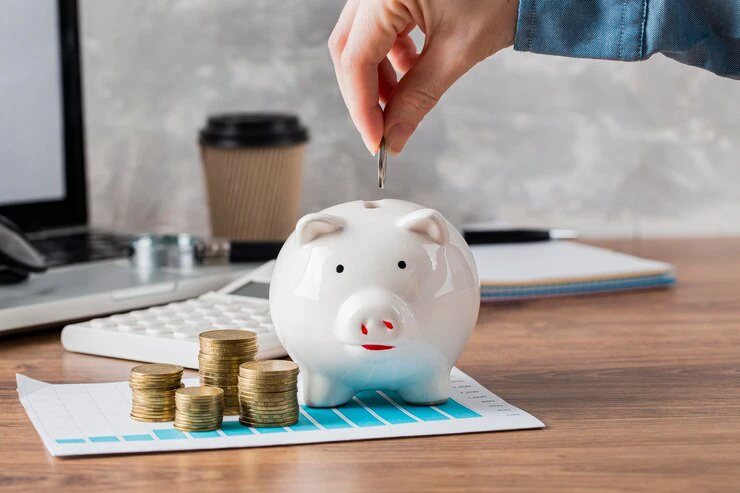

Having good financial health is not just about earning more; it is about making the right choices with the money you already have. By developing small, consistent habits, you can reduce financial strain and work towards a secure future. These habits, when practised regularly, can help you stay in control regardless of changes in your income or lifestyle. Here are some practical ways to build strong money habits:
Track your spending
Knowing where your money goes is the first step to managing it well. Categorise expenses into essentials, lifestyle, and leisure. Regular tracking not only helps identify areas where you can cut back and allot funds to savings or investments, but also gives you a clear sense of control over your financial situation. This awareness makes it easier to make informed spending decisions.
Automate your savings
One of the easiest ways to save invariably is to set up an automatic transfer to a Savings Account every month. This ensures you are building reserves without having to remember to make manual deposits. Over time, these small amounts add up, giving you a cushion for emergencies or bigger goals. Automation also removes the enticement to spend the money before you save it.
Maintain an emergency fund
Life is unpredictable, and unforeseen expenses can arise at any time. Aim to set aside at least three to six months of living expenses in an accessible account. A Zero-Balance Account can be helpful for this purpose as it helps keep funds ready for immediate use, providing you with both security and peace of mind. Having quick access to this money ensures you can handle challenges without turning to costly loans.
Set realistic goals
Whether it is buying a car, funding higher education, or travelling abroad, clear financial goals keep you motivated and focused. Break down large goals into smaller, manageable savings targets. By allocating funds towards a dedicated Savings Account, you can track progress and avoid mixing goal-based savings with daily expenses.
Avoid high-interest Debt
Credit cards and short-term Loans often come with high interest rates that can spiral out of control quickly. Whenever possible, pay off outstanding balances in full each month. Use your Zero-Balance Account or Debit Card for everyday spending to limit debt exposure and maintain financial stability.
Review and adjust regularly
Your financial plan should not be static. Changes in income, expenses, or priorities require adjustments. Review your budget and account structures at least twice a year to ensure they still meet your needs. For example, you might decide to move surplus funds from your Zero-Balance Account into a higher-yield Savings Account for better returns.
Conclusion
Good money habits are built over time, and the right banking choices can make the process much easier. By making use of tools like a Savings Account for disciplined growth and a Zero-Balance Account for flexible access, you can create a balanced system that supports both your present needs and your future aspirations.

























Sign in to leave a comment.