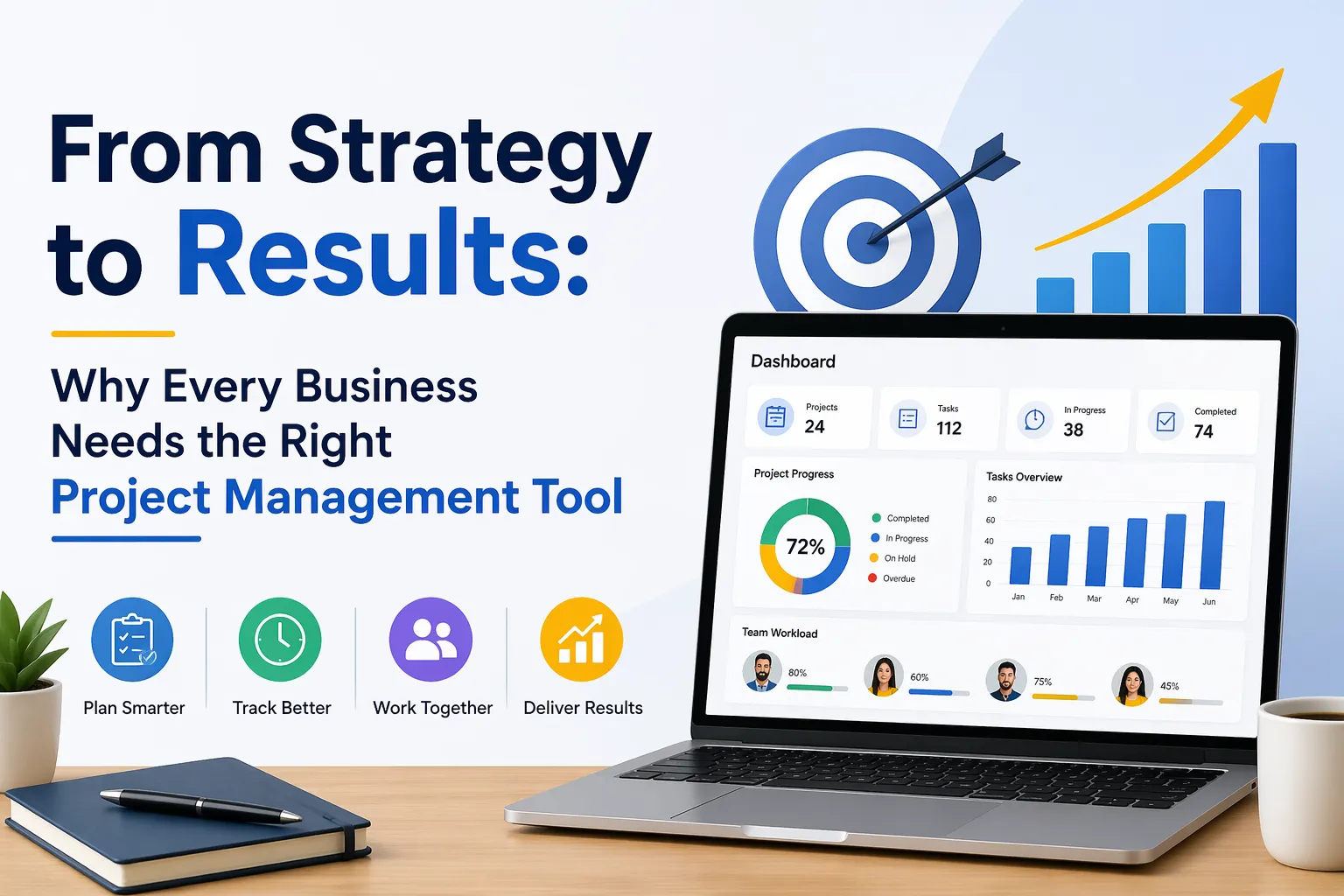

Many service-based businesses don’t face issues with planning—they face challenges when it comes to execution. Teams remain constantly occupied, yet deadlines are missed, profit margins decline, and there’s little clarity on how time is actually being spent. This creates a disconnect between what was initially planned and what is ultimately delivered. The answer isn’t more detailed planning, but improved visibility, ensuring that everyday work is directly linked to real outcomes. In this blog, you’ll understand why this gap occurs, where it affects businesses the most, and how a project management tool for IT teams can help bridge it.
The Real Problem Isn’t Planning; It’s Disconnection
While plans are often built with care, execution tends to happen in isolated systems. Work gets distributed across multiple tools, project tracking, time monitoring, and reporting—without a unified structure. As a result:
- There’s no single view that connects effort with outcomes
- Teams operate in silos, limiting collaboration and clarity
- Leadership relies on delayed or incomplete updates
- Decisions are made without access to real-time insights
Ultimately, the challenge isn’t poor planning, it’s the absence of a strong link between planning and execution.
“We’re Busy” Doesn’t Mean “We’re Profitable”
Being busy doesn’t always translate into good business outcomes.
- Teams work long hours, but billable work is unclear
- Utilization is not tracked properly
- Project margins reduce without clear reasons
- High effort does not always lead to better results
Without clear insights, teams may stay active but still lose efficiency and profitability.
Where Delivery Gaps Actually Appear
The gap between plan and delivery builds slowly over time.
- Projects take longer than expected without early warning
- Scope changes are not tracked properly
- Service-level issues are noticed too late
- Extra work reduces margins without visibility
By the time problems are noticed, it is often too late to fix them easily.
Fragmented Tools Create Bigger Problems
Using too many disconnected tools creates confusion.
- Project tools track tasks but not actual effort
- Time tracking tools don’t show impact on delivery
- Reports give summaries but lack deeper insights
- Billing reflects results only after delays
When systems don’t work together, teams lose clarity and control.
Why Traditional Methods Don’t Work Anymore
Old ways of managing projects cannot handle modern complexity.
- Plans are static and don’t adjust to changes
- Tracking is manual and time-consuming
- No clear link between work done and business results
- Issues are handled after they happen, not before
Modern service businesses need smarter and more connected systems.
What Successful Teams Do Differently
High-performing teams focus on understanding work, not just managing it.
- They connect time spent with outcomes and performance
- They identify risks early and act quickly
- They learn from top-performing teams and repeat success
- They rely on real-time data for decisions
This approach helps them stay ahead instead of reacting late.
The Role of IT Project Management Software
This is where the right software makes a real difference.
- Brings all tools and data into one platform
- Connects daily work with project outcomes
- Provides real-time visibility for teams and leaders
- Helps track performance, progress, and risks together
It moves project management from tracking tasks to understanding results.
How It Closes the Delivery Gap
The impact is practical and measurable.
- Early alerts help prevent project overruns
- Clear utilization improves team efficiency
- Workload tracking reduces burnout
- Automated reporting saves time and effort
Better visibility leads to better decisions and better delivery.
Why This Matters Today
The way teams work has changed significantly.
- Remote and hybrid teams are more common
- Projects are more complex and fast-moving
- Clients expect transparency and faster delivery
- Profit margins are tighter than before
Without the right project management software for developers, managing all this becomes very difficult.
The Cost of Not Adopting
Ignoring the problem can hurt the business over time.
- Missed deadlines affect client trust
- Inefficiencies reduce profitability
- Teams experience burnout and turnover
- Leaders lack clear visibility for decision-making
These issues don’t just slow growth; they limit it.
Moving Toward One Clear System
The future is about simplicity and clarity.
- One system for managing work, time, and outcomes
- One view of performance and progress
- One source of truth for all stakeholders
- One platform that supports better decisions
When everything is connected, the best project management software makes delivery more predictable and efficient.
Conclusion
Poor plans do not cause the gap between planning and delivery; a lack of visibility causes it.
For service businesses where time directly impacts revenue, this gap can’t be ignored.
IT project management software is no longer optional; it’s essential for staying efficient, competitive, and ready to grow.

























Sign in to leave a comment.