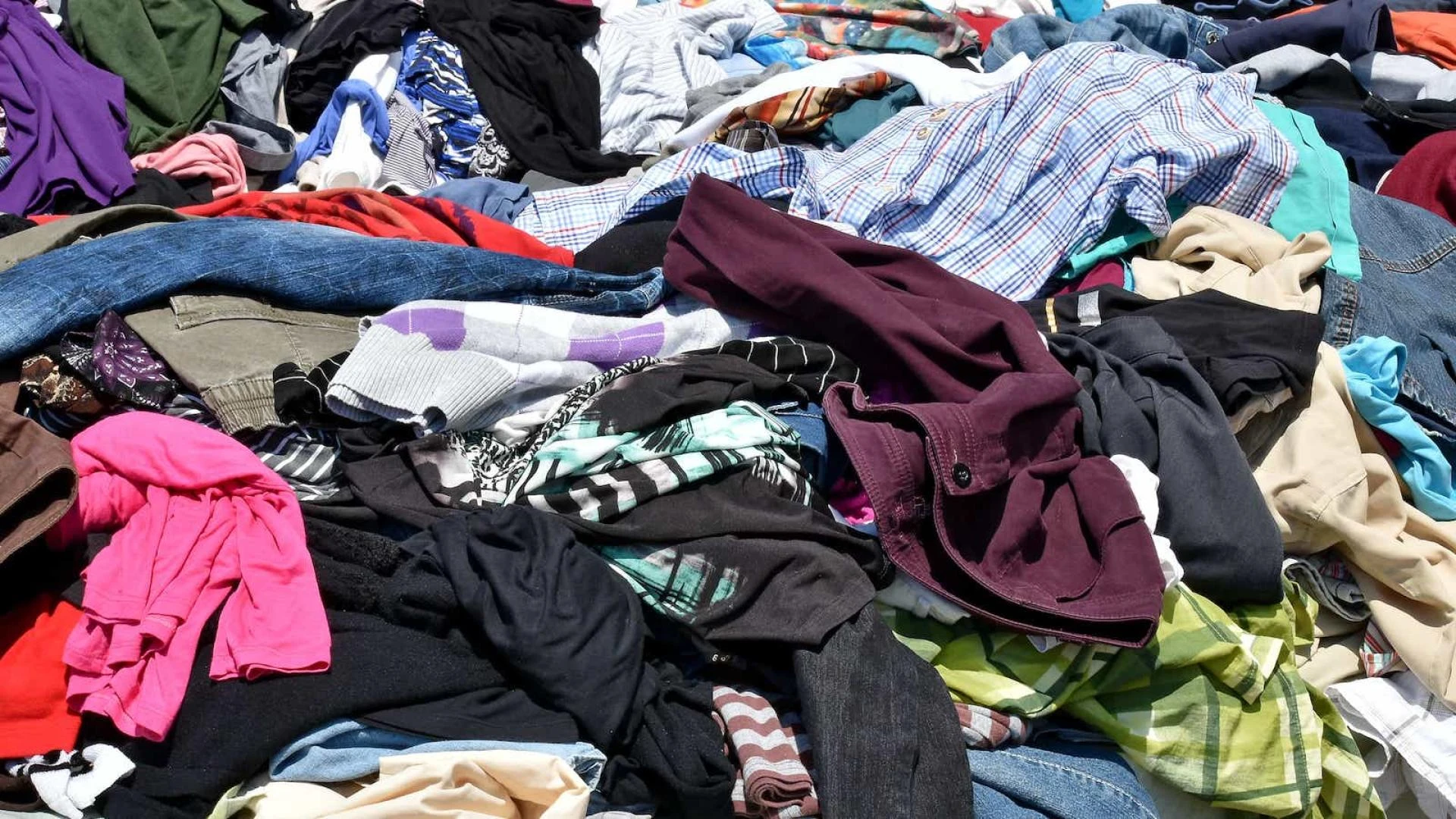

In a world grappling with the environmental challenges posed by excessive textile waste, innovative startups are emerging as beacons of hope, pioneering solutions to transform waste into wealth. These trailblazing companies are not only addressing the pressing issue of textile waste but also reshaping industries, creating jobs, and driving sustainable change. Join us as we explore some of these visionary startups and the impactful ways they are reducing textile waste while fostering a circular economy.
The Textile Waste Epidemic
The fashion industry is notorious for its fast-paced, throwaway culture, leading to an alarming amount of textile waste ending up in landfills each year. According to the Ellen MacArthur Foundation, the equivalent of one garbage truck of textiles is landfilled or burned every second. This staggering statistic underscores the urgent need for innovative solutions to mitigate the environmental impact of textile waste.
The Rise of Circular Fashion
Circular fashion, an approach that promotes the reuse, repair, and recycling of clothing, is gaining traction as a sustainable alternative to the traditional linear model of production and consumption. At the heart of this movement are startups that are reimagining the lifecycle of textiles, turning waste into valuable resources and driving positive change across the industry.
Innovative Startups Leading the Charge
The Renewal WorkshopThe Renewal Workshop is pioneering a closed-loop system for apparel brands, offering a range of services, including garment repair, refurbishment, and resale. By partnering with brands to extend the life of their products, The Renewal Workshop helps reduce textile waste while creating a new revenue stream.Evrnu
Evrnu is revolutionizing textile recycling with its groundbreaking technology that transforms old garments into high-quality fibers. These fibers can then be used to create new fabrics, closing the loop on textile waste and reducing the need for virgin materials.Worn Again Technologies
Worn Again Technologies has developed a chemical recycling process that separates and purifies polyester and cotton from end-of-life textiles, allowing them to be reintroduced into the supply chain as virgin-quality materials. This innovation has the potential to significantly reduce the environmental impact of textile production.reGAIN
reGAIN is a mobile app that incentivizes consumers to recycle their unwanted clothing by offering discounts and vouchers for sustainable fashion brands. By encouraging recycling and promoting conscious consumption, reGAIN aims to divert textiles from landfills and promote a circular economy.Reverse Resources
Reverse Resources is tackling textile waste at the manufacturing level by digitizing waste management processes for textile factories. By tracking and optimizing waste streams, Reverse Resources helps factories reduce waste, increase efficiency, and minimize their environmental footprint.
The Economic and Environmental Benefits
These innovative startups are not only making a positive impact on the environment but also unlocking economic opportunities and driving innovation within the fashion industry. By reducing the reliance on virgin materials, diverting textiles from landfills, and creating new revenue streams, these startups are proving that sustainability and profitability can go hand in hand.
The Role of Collaboration
While these startups are making significant strides in reducing textile waste, their success ultimately depends on collaboration and cooperation across the industry. By partnering with brands, manufacturers, policymakers, and consumers, these startups can scale their solutions and create lasting change on a global scale.
Conclusion:
As the world grapples with the environmental challenges posed by textile waste, innovative startups are leading the way toward a more sustainable future. By transforming waste into wealth, these companies are not only addressing a pressing environmental issue but also driving economic growth, fostering innovation, and reshaping industries. As consumers, brands, and policymakers increasingly prioritize sustainability, the potential for positive change is limitless. Together, we can build a future where textile waste is a thing of the past, and every garment has the opportunity for a second life.




















Sign in to leave a comment.