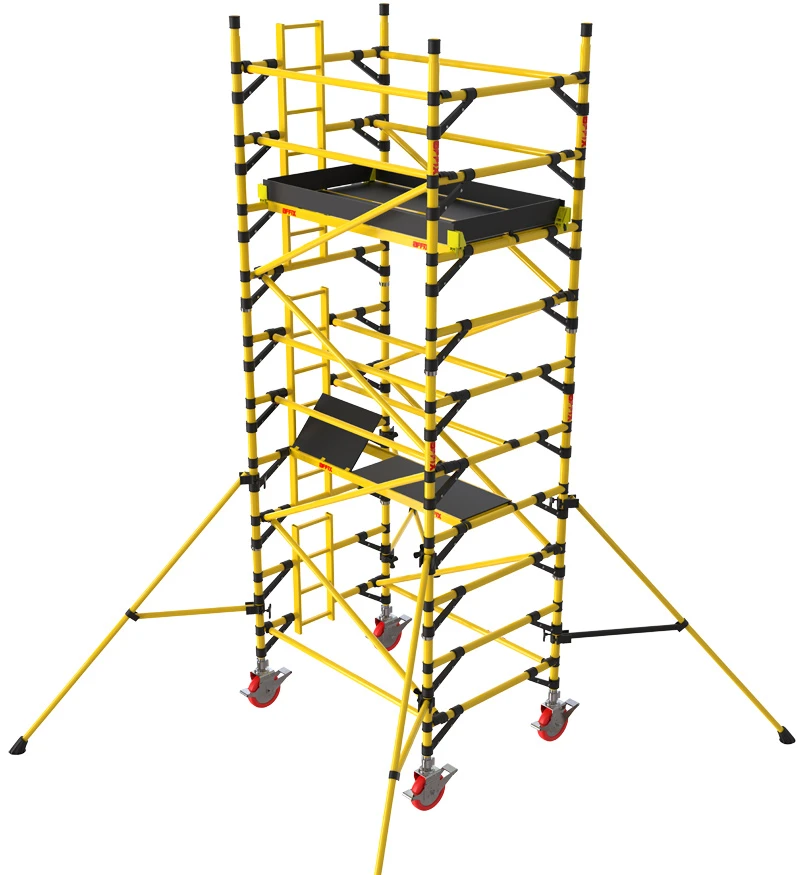

Work-at-height solutions continue to evolve as industries demand safer, lighter, and more efficient systems. The frp scaffolding for sale in Germany highlights how global markets value corrosion-resistant and non-conductive scaffolding for specialized environments. At the same time, access platforms bring mechanized elevation and convenience into complex job sites. Each system serves a distinct purpose, and the right choice depends on project requirements, risk factors, and operational priorities.
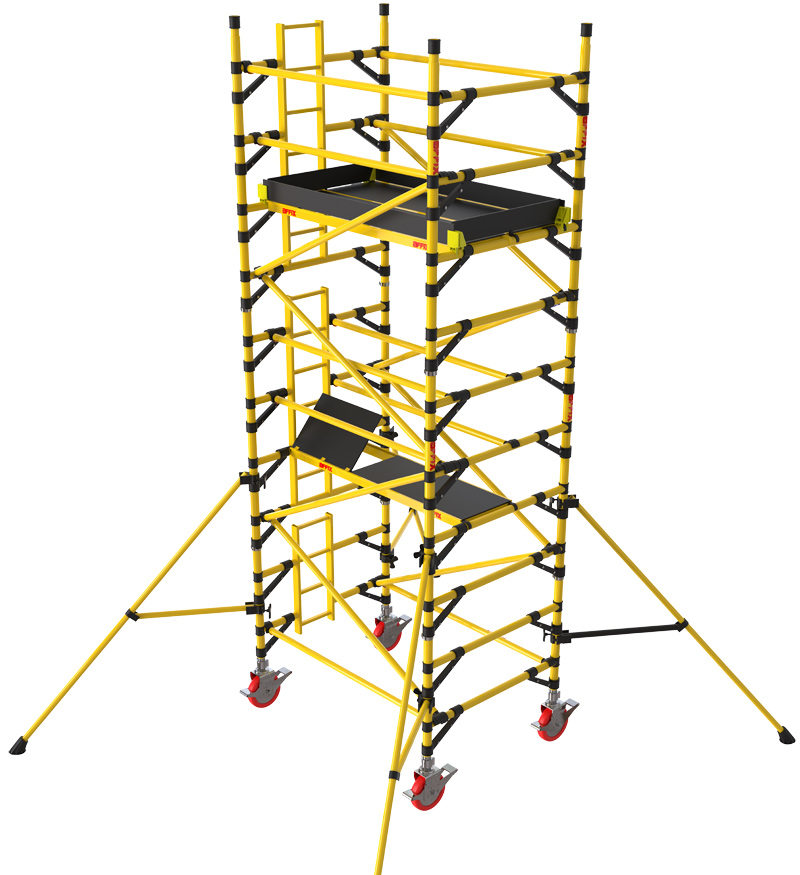
FRP scaffolding relies on fiber-reinforced polymer materials, while access platforms use mechanical systems to lift workers vertically. Both options support elevated work, yet they differ in structure, performance, and long-term value.
What Defines FRP Scaffolding?
FRP scaffolding uses composite materials made from fibers and resin. This construction offers high strength without the weight associated with steel systems. It resists corrosion, electricity, and chemical exposure, making it ideal for sensitive environments.
Key characteristics of FRP scaffolding:
- Non-conductive structure suitable for electrical work
- High resistance to corrosion and chemicals
- Lightweight components for easier handling
- Minimal maintenance requirements
- Strong load-bearing capacity despite reduced weight
Industries such as power plants, oil refineries, and chemical facilities often prefer FRP scaffolding due to these properties.
What Defines Access Platforms?
Access platforms, often referred to as aerial work platforms, rely on hydraulic or mechanical systems to lift workers to required heights. These machines include scissor lifts, boom lifts, and vertical mast lifts.
Key characteristics of access platforms:
- Mechanized lifting for quick elevation
- Adjustable height controls
- Compact designs for indoor and outdoor use
- Reduced manual assembly requirements
- Integrated safety features such as guardrails and emergency controls
Access platforms provide speed and convenience, especially in projects that require frequent vertical movement.
Core Differences in Structure and Function
FRP scaffolding builds a temporary structure that workers climb and use as a stable working platform. Access platforms act as movable machines that elevate workers directly.
FRP scaffolding:
- Requires assembly before use
- Offers a fixed working platform
- Supports multiple workers simultaneously
Access platforms:
- Operate with minimal setup
- Provide vertical mobility at the push of a button
- Usually accommodate fewer workers at a time
This structural difference shapes how each system performs on-site.
Safety Considerations
Safety remains the most critical factor in choosing any work-at-height solution. Both systems offer strong safety features, but they address risks differently.
FRP scaffolding safety advantages:
- Non-conductive material reduces electrical hazards
- Stable platform for extended tasks
- Guardrails and toe boards enhance worker protection
- Suitable for hazardous industrial environments
Access platform safety advantages:
- Built-in safety controls and sensors
- Emergency lowering systems
- Reduced climbing risks
- Stable elevation through hydraulic systems
FRP scaffolding performs better in environments with electrical risks, while access platforms reduce physical strain and climbing hazards.
Mobility and Flexibility
Mobility often determines how efficiently a system adapts to changing work conditions.
FRP scaffolding offers modular flexibility. Workers can adjust height and configuration by adding or removing components. However, moving the structure requires disassembly or the use of wheels in mobile variants.
Access platforms excel in mobility. Operators can reposition the platform quickly without dismantling any structure. This feature saves time on large job sites or tasks that require constant repositioning.
Load Capacity and Workforce Efficiency
FRP scaffolding supports multiple workers and tools at once. This capability makes it suitable for large-scale operations where teams need to work simultaneously at height.
Access platforms typically support fewer workers, often limited to one or two individuals along with tools. While this limitation reduces capacity, it increases precision and control for specialized tasks.
Comparison snapshot:
- FRP scaffolding: Higher load capacity, team-oriented work
- Access platforms: Lower capacity, individual or small team tasks
The nature of the project determines which option delivers better efficiency.
Durability and Environmental Resistance
FRP scaffolding stands out for its durability in harsh conditions. It resists corrosion, moisture, and chemical exposure without requiring frequent treatment.
Access platforms rely on metal structures and mechanical systems. While durable, they require regular maintenance to prevent wear, corrosion, and mechanical failure.
Environmental performance:
- FRP scaffolding thrives in chemical plants and coastal areas
- Access platforms perform best in controlled or moderate environments
This distinction makes FRP scaffolding a preferred choice for long-term industrial use.
Maintenance Requirements
Maintenance needs vary significantly between the two systems.
FRP scaffolding requires minimal upkeep. Its material does not rust, and it withstands environmental stress without frequent intervention.
Access platforms demand regular servicing. Hydraulic systems, motors, and control units need inspection and maintenance to ensure safe operation.
Maintenance comparison:
- FRP scaffolding: Low maintenance, simple inspections
- Access platforms: High maintenance, technical servicing required
Lower maintenance often translates into reduced operational costs over time.
Cost Implications
Cost evaluation must include both initial investment and long-term expenses.
FRP scaffolding:
- Lower long-term maintenance costs
- Reusable across multiple projects
- Initial cost depends on material quality
Access platforms:
- Higher upfront investment
- Ongoing maintenance and servicing costs
- Rental options available for short-term use
Cost perspective:
- Short-term projects may benefit from access platform rentals
- Long-term projects often favor FRP scaffolding for cost efficiency
Setup Time and Operational Speed
Setup time directly affects project timelines.
FRP scaffolding requires assembly, which takes time depending on height and complexity. Skilled workers can speed up the process, but it still involves manual effort.
Access platforms offer immediate operation. Workers can start tasks almost instantly after positioning the machine.
Speed comparison:
- FRP scaffolding: Slower setup, stable long-term use
- Access platforms: Fast deployment, quick task execution
Projects with tight schedules often lean toward access platforms.
Application-Specific Suitability
Different industries require different solutions based on their operational challenges.
FRP scaffolding works best for:
- Electrical installations
- Chemical processing plants
- Long-duration maintenance projects
- Environments with corrosion risks
Access platforms suit:
- Warehousing and logistics
- Facility maintenance
- Short-term repair tasks
- Urban construction sites
Matching the system to the application ensures optimal performance.
Limitations of Each System
Every solution comes with its own set of limitations.
FRP scaffolding limitations:
- Requires assembly time
- Less convenient for frequent repositioning
- Initial setup demands skilled labor
Access platform limitations:
- Limited load capacity
- Dependence on mechanical systems
- Higher maintenance requirements
- Not ideal for hazardous chemical environments
Recognizing these limitations helps in making informed decisions.
Productivity and Workflow Impact
FRP scaffolding supports continuous work without interruptions once installed. Teams can operate simultaneously, which boosts productivity for large-scale tasks.
Access platforms enhance productivity in tasks that require movement between multiple points. Workers can adjust height and position quickly, reducing downtime.
Productivity comparison:
- FRP scaffolding: Best for stable, long-duration work
- Access platforms: Best for dynamic, short-duration tasks
Choosing the Right Option
The decision between FRP scaffolding and access platforms depends on several practical factors:
- Nature and duration of the project
- Environmental conditions
- Safety requirements
- Budget constraints
- Workforce size
A balanced evaluation ensures that the chosen system aligns with project goals and operational needs.
Future Trends in Elevated Work Solutions
Advancements continue to improve both systems. FRP scaffolding benefits from enhanced composite materials that increase strength and durability. Access platforms evolve with smarter controls, better safety features, and improved energy efficiency.
These developments aim to enhance safety, reduce costs, and improve operational efficiency across industries.
Conclusion
FRP scaffolding and access platforms serve distinct roles in elevated work environments. FRP scaffolding offers durability, safety in hazardous conditions, and strong load capacity for team operations. Access platforms provide speed, mobility, and ease of use for tasks that demand flexibility.
Selecting the right system requires a clear assessment of project demands, environmental challenges, and operational priorities. A well-matched solution not only improves efficiency but also ensures safety and long-term value on every job site.




















Sign in to leave a comment.