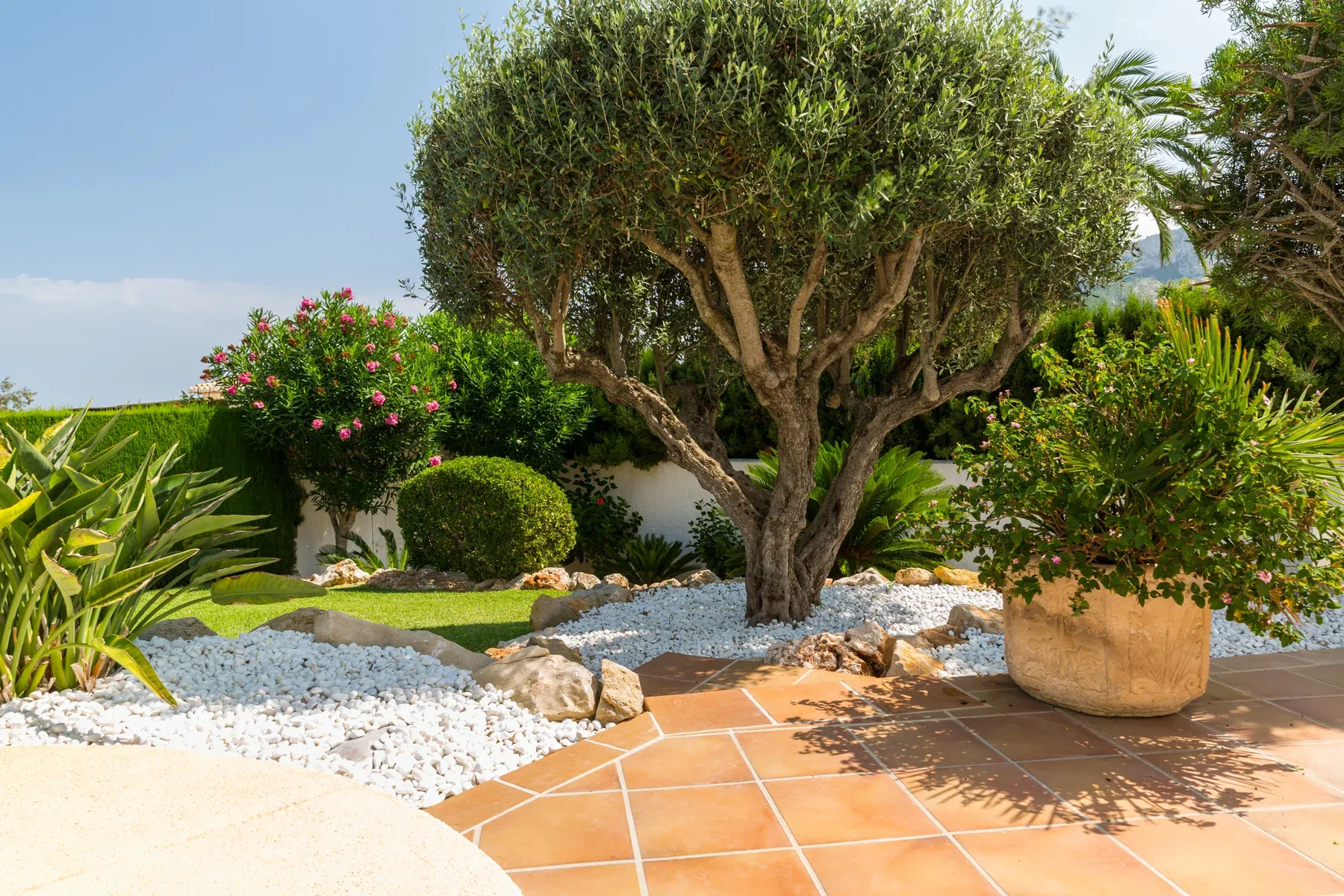

Landscaping decisions often involve balancing visual appeal with practicality, especially when dealing with maintenance and cleanliness concerns. Fruitless olive tree varieties have become a preferred choice for homeowners seeking elegant greenery without the drawbacks associated with traditional olive trees. Unlike fruit-bearing types, these trees eliminate issues such as fallen fruit, stains, and increased pest activity. Their structured growth and adaptability make them suitable for modern residential and urban environments. As outdoor maintenance demands continue to rise, choosing efficient plant solutions that reduce labor while maintaining aesthetic value has become increasingly important for long-term landscape planning. They also contribute to a more organized and hassle-free outdoor environment.
Eliminating Mess from Fallen Fruit
One of the most common challenges with traditional olive trees is the accumulation of fallen fruit, which can stain surfaces and attract pests. Fruitless olive tree varieties are specifically cultivated to prevent fruit production, eliminating this issue entirely. Without fruit drop, outdoor areas such as patios, driveways, and walkways remain clean and easier to maintain. This makes these trees particularly beneficial for homeowners who prioritize neat and low-maintenance outdoor spaces. It also helps prevent damage to outdoor flooring and landscaping features.
Reducing Maintenance and Cleanup Effort
Frequent yard maintenance can become time-consuming and costly, especially in landscapes with high-debris plants. Fruitless olive tree options significantly reduce the need for regular cleanup by eliminating fruit-related waste. Their slow growth rate and manageable structure also minimize pruning requirements, making them easier to maintain compared to other ornamental trees. This reduction in upkeep allows homeowners to enjoy their outdoor spaces without ongoing maintenance concerns. It also lowers long-term landscaping costs and effort.
Minimizing Pollen and Allergen Concerns
Pollen production is another concern associated with traditional olive trees, often contributing to seasonal allergies. Fruitless olive tree varieties are typically selected to produce little to no pollen, helping to reduce allergen exposure. This makes them a suitable option for households seeking a more comfortable outdoor environment, particularly in regions where allergies are a common issue. By limiting airborne irritants, these trees contribute to improved overall outdoor air quality. This benefit is especially valuable for families with allergy-sensitive individuals.
Enhancing Aesthetic Appeal Without Drawbacks
Maintaining a visually appealing landscape without compromising functionality is a key goal for many homeowners. Fruitless olive tree selections offer the same elegant, Mediterranean-inspired appearance as traditional varieties without the associated disadvantages. Their silvery-green foliage and structured form add depth and sophistication to outdoor designs. This combination of beauty and practicality makes them a versatile choice for a wide range of landscaping styles. They also enhance property value through improved curb appeal.
Suitable for Urban and Low-Maintenance Landscapes
Urban environments often require plants that can thrive with minimal care while maintaining a clean appearance. These olive tree varieties are well-suited for these conditions due to their resilience and low maintenance requirements. They adapt well to different soil types and tolerate drought once established, making them a reliable choice for sustainable landscaping. Their ability to perform consistently in various settings further enhances their value for modern outdoor design. This adaptability makes them ideal for both residential and commercial landscapes.
Conclusion
Creating a clean, low-maintenance landscape requires selecting plants that minimize common challenges such as debris, excessive upkeep, and allergen exposure. Trees that offer both functionality and visual appeal play a crucial role in achieving this balance. By choosing efficient and well-adapted options, homeowners can maintain attractive outdoor spaces with reduced effort. For those looking to incorporate reliable and practical greenery into their landscapes, sourcing from a reputable plant nursery ensures access to high-quality plants that support long-term performance and aesthetic consistency. This approach helps ensure lasting satisfaction with minimal maintenance requirements.



























Sign in to leave a comment.