

Across civilizations and centuries, few natural elements carry as much historical depth and cultural meaning as the olive tree. It appears in ancient literature, sacred texts, and traditional artwork, reflecting its deep connection to peace, resilience, nourishment, and spiritual significance. Instead of being valued only for its fruit or oil, the tree itself has become an emblem of continuity and endurance. When people explore its origins, symbolism, and influence on communities, they quickly understand why the Olive Tree continues to be celebrated across the world.
Here is a detailed and insightful look at what makes this iconic tree such a powerful cultural symbol.
Roots in Ancient Civilizations
Historical Importance Across the Mediterranean
The earliest records of the olive tree trace back thousands of years to regions that now include Greece, Turkey, Israel, and parts of North Africa. Archaeological findings show that ancient societies cultivated olives not only for food but also for trade and medicinal purposes. As trade routes expanded, the tree became a representation of prosperity and commerce, appearing in pottery, murals, and early manuscripts.
Symbolism in Mythology and Folklore
In Greek mythology, the Olive Tree holds legendary status. It was believed that Athena offered the first cultivated olive to the city of Athens, symbolizing wisdom, peace, and civilization. Romans also associated the tree with victory and honor. These mythological references helped shape its identity as a sacred species, admired for both spiritual and practical reasons.
Influence in Religion and Sacred Traditions
Significance in Biblical and Spiritual Texts
The tree appears repeatedly in biblical narratives. One of the most well-known references is the dove returning to Noah with an olive branch, which signified new beginnings and divine peace. In various religious practices, olive oil was used in ceremonies, anointing rituals, and offerings. This reinforced the olive tree as a symbol of purity, renewal, and hope.
Cultural Rituals and Traditional Practices
Across the Middle East and Mediterranean, olive branches and oils were used in celebrations, healing traditions, and seasonal festivals. They represented blessings, protection, and community unity. Even today, many cultural ceremonies incorporate olive branches to honor heritage and continuity.
Practical Value That Strengthened Its Symbolism
A Source of Nourishment and Healing
Beyond its cultural representations, the tree is admired for its practical value. Olives and olive oil have been central to culinary and medicinal practices for thousands of years. Known for antioxidants, healthy fats, and therapeutic properties, olive oil became essential in daily life. This strengthened the image of the tree as a symbol of health, vitality, and well-being.
A Tree Known for Exceptional Longevity
There are olive tree specimens that are estimated to be hundreds or even thousands of years old. Their impressive ability to thrive in harsh climates and regenerate even after damage has made them powerful metaphors for endurance and stability. Communities saw the tree as a reminder of strength during difficult times, reinforcing its cultural significance.
The Olive Tree in Art, Literature, and Modern Culture
Representation in Art Through the Ages
Artists across eras have incorporated olives and olive branches into their paintings, sculptures, and decorative patterns. These motifs often symbolize harmony, prosperity, and wisdom. Classical artworks, medieval manuscripts, and modern minimalist designs continue to feature the Olive Tree because of its timeless meaning.
A Symbol Adopted in Contemporary Life
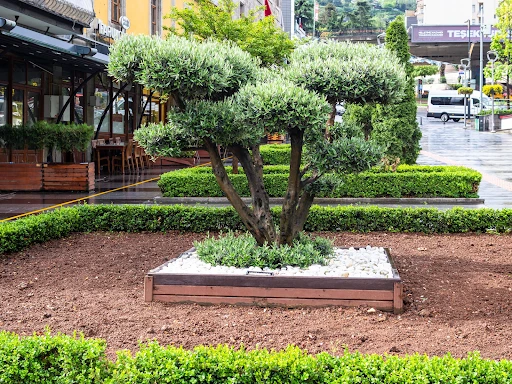
In modern times, the tree has found a place in national symbols, logos, hospitality decor, and sustainable landscaping. Its calming appearance and historical richness make it popular in homes, gardens, and public landscapes. People choose it not only for its beauty but also for the heritage and symbolism it carries.
Conclusion
Its presence in ancient civilizations, religious texts, and artistic expressions reinforces its identity as a universal emblem of peace, endurance, and renewal. As people continue to appreciate the meaning and beauty behind this iconic species, many explore ways to incorporate it into their homes and landscapes. Those who want to grow one often turn to a trusted plant nursery to find healthy varieties that reflect the same timeless spirit that has shaped cultures for generations.





























Sign in to leave a comment.