
Designing a garden that changes beautifully through the year requires thoughtful plant selection and planning. When chosen carefully, flowering trees provide structure, shade, fragrance, and dramatic color that evolves with the seasons. Positioned between shrubs and large canopy trees, they create visual balance while supporting birds and pollinators. Gardeners can enjoy spring blossoms, summer greenery, autumn foliage, and distinctive bark in winter. By understanding bloom times, growth habits, and climate suitability, homeowners can build landscapes that remain engaging all year. This guide explores reliable options, practical planting tips, and design ideas to help you create a vibrant, low-maintenance garden.
Why Seasonal Interest Matters in Garden Design?
A garden that offers seasonal color feels dynamic rather than static, encouraging year-round enjoyment. Trees that bloom at different times ensure there is always something visually appealing, whether it is fresh spring flowers or rich autumn tones. Beyond beauty, these trees help define garden spaces, provide cooling shade, and improve air quality. Well-placed flowering trees also support local ecosystems by offering nectar, shelter, and nesting areas. Choosing varieties with staggered bloom cycles allows homeowners to experience a sequence of colors and textures that change naturally with the calendar.
Top Flowering Trees for Year-Round Color
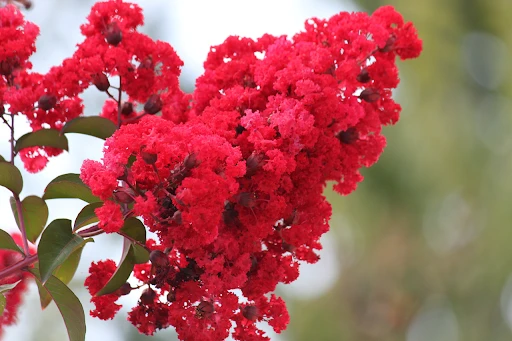
Some trees are especially valued for their reliable performance and striking seasonal displays. Cherry and crabapple trees announce spring with abundant blossoms, while magnolias deliver large, fragrant flowers early in the year. In warmer months, crepe myrtle stands out with long-lasting blooms and attractive bark. For autumn interest, dogwood and redbud offer vibrant foliage alongside elegant branching. Selecting flowering trees that suit your local climate ensures healthy growth and consistent color. Native or well-adapted species often require less maintenance and perform better over time.
Planting and Care Tips for Lasting Beauty
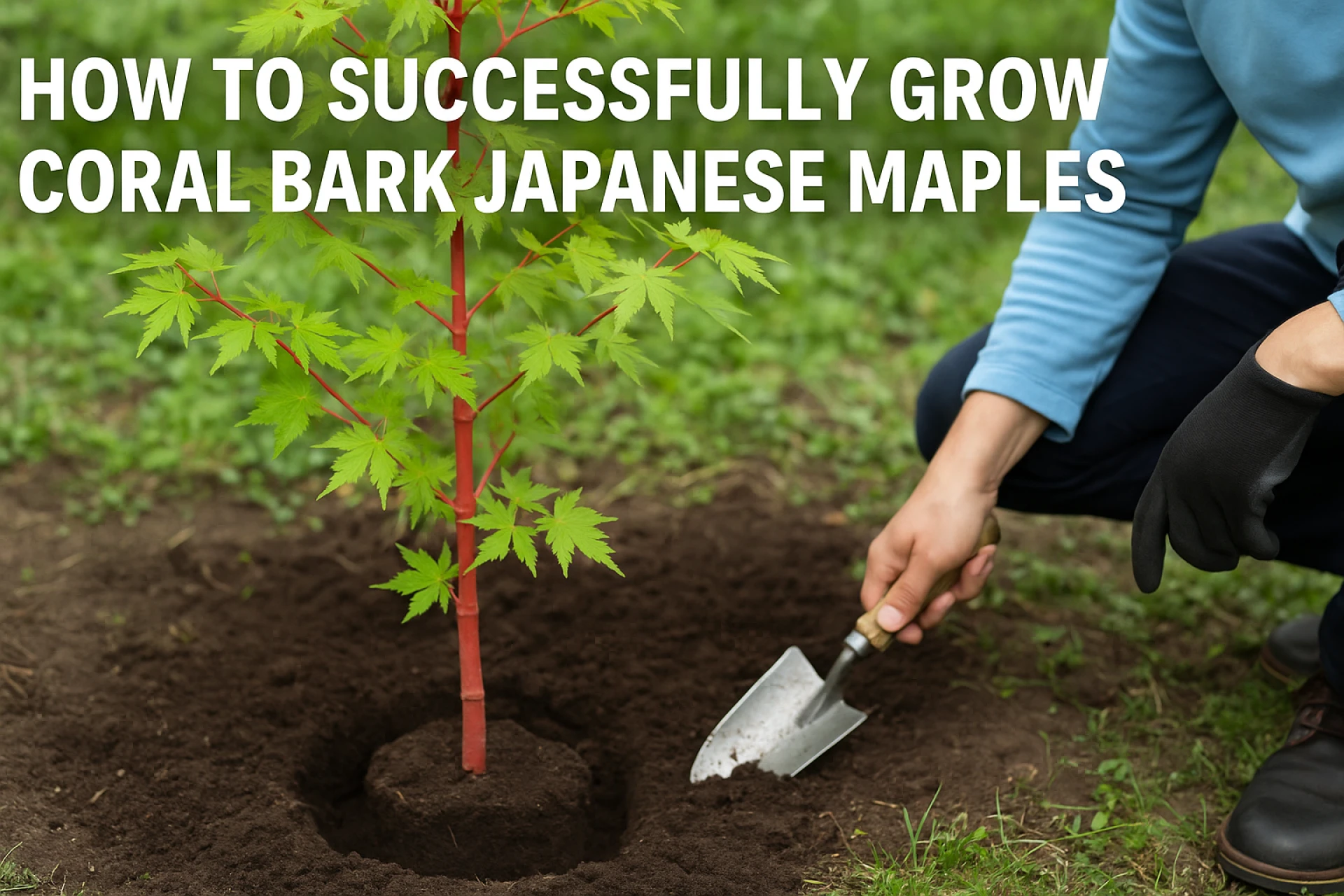
Proper planting is essential to help trees establish strong roots and bloom well. Choose a location with adequate sunlight, good drainage, and enough space for mature growth, as overcrowding can limit flowering potential. Enrich the soil with organic matter, and water deeply during the first growing seasons to support healthy establishment; for example, newly planted magnolia trees benefit from mulch to retain moisture, while crape myrtles thrive when watered consistently during their first summer. Pruning should be minimal and done at the right time to avoid removing future buds, since spring bloomers like cherry trees should only be pruned after flowering. With thoughtful care, flowering trees reward gardeners with improved structure, stronger flowering, and long-term resilience, making them a practical investment as well as an aesthetic one.
Designing with Flowering Trees in Mind
Successful garden design balances color, scale, and function. Use trees as focal points near entrances, patios, or lawn edges, or group them to create layered depth that adds dimension to open spaces. Mixing evergreen backdrops with deciduous bloomers highlights seasonal changes more dramatically and ensures the garden looks well-structured even outside peak-flowering periods. Consider bloom color coordination to avoid visual clutter and to guide the eye through the space, especially in smaller gardens where harmony is essential. Varying tree heights and canopy shapes can also help frame views and soften architectural lines. When integrated carefully, flowering trees tie together shrubs, perennials, and hardscape elements into a cohesive, visually pleasing landscape that feels intentional and balanced.
Conclusion
A garden filled with seasonal color offers more than beauty; it provides rhythm, habitat value, and a sense of connection to nature throughout the year. By selecting the right trees, planting them correctly, and designing with intention, homeowners can enjoy evolving displays with minimal effort. Complementing tree blossoms with classic accents like iceberg roses adds contrast and continuity, ensuring the garden remains elegant, vibrant, and inviting in every season.
























Sign in to leave a comment.