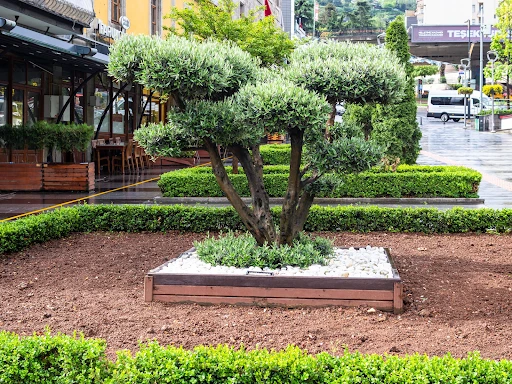

Shaping a tree is one of the most rewarding tasks a gardener can undertake, and few species respond as gracefully as the olive tree. With its silver-green foliage, gnarled character, and timeless Mediterranean presence, it deserves thoughtful pruning that enhances rather than diminishes its natural beauty. Whether you are working with a young specimen or an established garden anchor, understanding how to shape it correctly makes an enormous difference. The right technique encourages healthy growth, improves airflow, and creates a silhouette that elevates the entire garden landscape with lasting visual authority.
Why Shaping Matters for Olive Trees?
Pruning is not merely cosmetic — it is fundamentally about the long-term health and productivity of the plant. Left unpruned, olives can become dense and congested, reducing airflow through the canopy and creating conditions where fungal issues take hold. An olive tree that is shaped well allows light to penetrate evenly, encourages new growth from productive wood, and maintains a balanced structure that resists wind damage. Regular shaping also prevents the plant from expending energy on unproductive crossing branches that contribute nothing to its form or vigour.
The Best Time to Prune
Timing is critical when it comes to shaping any tree, and olives are no exception. The ideal window falls in late spring, once the risk of frost has passed but before the summer growing season reaches full momentum. Pruning at this point gives wounds time to callous over quickly and stimulates the fresh growth that will carry the tree through the warmer months. Avoid heavy pruning in autumn or winter, as cold temperatures slow the healing process significantly and leave exposed wood vulnerable to cold damage and disease.
Tools You Will Need
Good results depend heavily on using the right tools, kept sharp and clean throughout the process. A pair of bypass pruning shears handles stems up to approximately one centimetre in diameter cleanly and precisely. Loppers extend your reach and provide the leverage needed for thicker branches between one and four centimetres. A pruning saw manages anything larger. Always sterilize blades between cuts when working on diseased wood, and wipe tools down with a disinfectant solution before moving between different plants in your garden.
How to Shape for an Open Centre
The open centre, sometimes called the vase shape, is the most widely recommended form for garden olives. It involves selecting three to five main structural branches emerging from the trunk at roughly equal intervals and removing everything that crowds the interior. Working with an olive tree in this way creates a cup-like canopy that allows light and air to circulate freely throughout. Remove any shoots growing directly upward through the centre, known as water shoots, as these disrupt the intended form and divert energy away from the established framework.
Shaping Young Trees Versus Mature Specimens
The approach differs significantly depending on the age and stage of your plant. Young trees benefit from formative pruning that establishes a clear trunk and selects the primary scaffold branches early. Mature specimens require maintenance pruning that preserves established structure while removing dead, damaged, or crossing wood. A well-established olive tree should never be over-pruned in a single season — removing more than one third of the canopy at once can stress the plant and trigger an excessive, unproductive regrowth response.
Conclusion
Shaping olive trees is a skill that rewards patience, observation, and a genuine understanding of how these remarkable plants grow and respond. Starting with healthy, well-sourced specimens makes the entire process significantly more straightforward from the very beginning. Sourcing from a reputable plant nursery ensures you receive trees with strong root systems and sound structure already in place.
























Sign in to leave a comment.