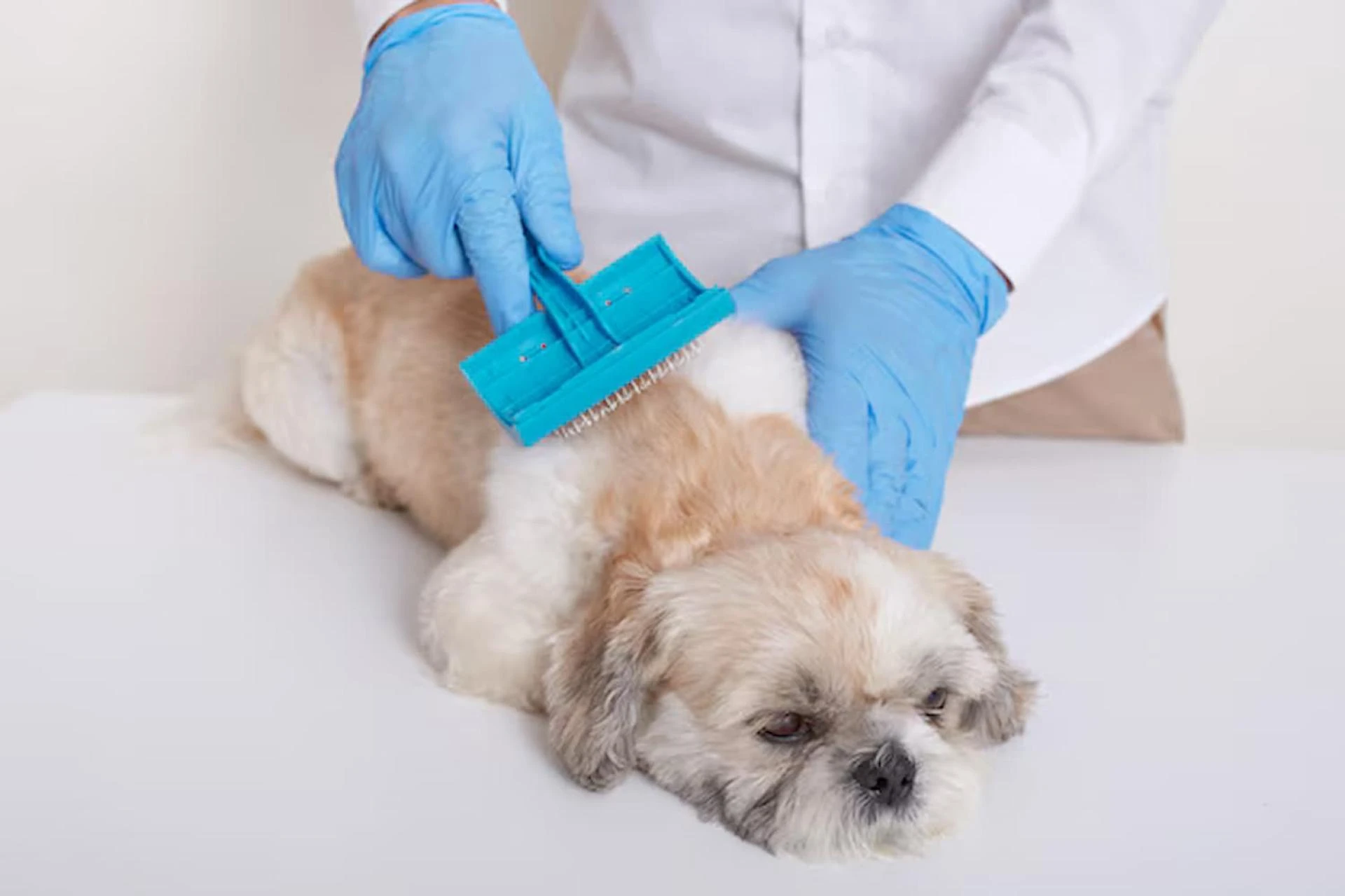

Dogs with thick, dense coats are undeniably beautiful, but maintaining that lush fur can be challenging. Heavy shedding, tangled undercoats, trapped dirt, and skin irritation are common issues for double coated and long haired breeds. One grooming solution that has gained popularity for managing these concerns is furminator treatment for dogs. This specialized grooming process focuses on removing loose undercoat hair safely and effectively, helping dogs stay comfortable while keeping their coats healthy and manageable.
When performed correctly, this treatment is not just about reducing shedding. It supports overall skin health, improves coat appearance, and enhances comfort for dogs with thick coats. Understanding how this treatment works, who it benefits most, and how often it should be done can help dog owners make informed grooming decisions.
Understanding Thick Coats in Dogs
What Defines a Thick Coat
A thick coat typically consists of two layers. The outer coat is made up of guard hairs that protect against dirt, moisture, and environmental elements. Beneath this layer lies the undercoat, which is soft, dense, and designed to regulate body temperature. Breeds with this coat type often experience seasonal shedding as the undercoat grows and sheds in response to temperature changes.
Common Challenges with Dense Fur
Thick coats are prone to matting, excessive shedding, and overheating if not maintained properly. Loose undercoat hair can become trapped, preventing air circulation and causing discomfort. Dirt, allergens, and moisture may also become stuck close to the skin, leading to itching or irritation. Regular brushing helps, but standard grooming methods often fail to remove deeply embedded loose hair effectively.
What Is Furminator Treatment for Dogs
Purpose of the Treatment
Furminator treatment for dogs is a grooming process designed specifically to target and remove loose undercoat hair without damaging the topcoat. Unlike basic brushing, this treatment reaches deep into the coat to extract hair that would otherwise shed around the home or cause matting.
How the Process Works
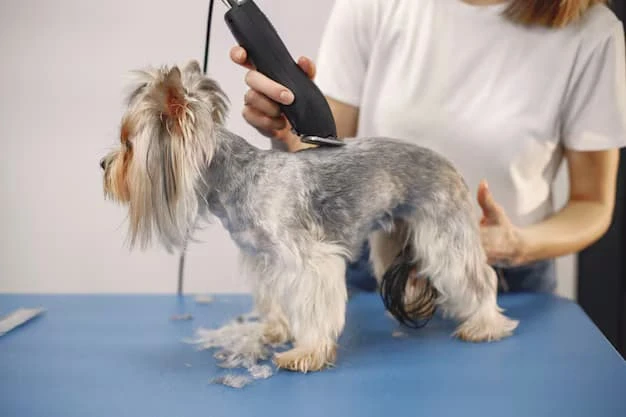
The treatment typically begins with a thorough inspection of the coat and skin. This is followed by bathing to cleanse the fur and loosen dead hair. After drying, specialized tools are used to gently remove the undercoat while preserving the natural structure of the coat. The process is completed with light finishing touches to leave the coat smooth and healthy.
Benefits of Furminator Treatment for Thick Coated Dogs
Significant Reduction in Shedding
One of the most noticeable benefits is a dramatic decrease in shedding. By removing loose undercoat hair at the source, less fur ends up on furniture, clothing, and floors. This is especially beneficial during seasonal shedding periods.
Improved Skin Health
Excess undercoat can trap oils, dirt, and moisture against the skin. Removing it allows the skin to breathe and helps distribute natural oils more evenly throughout the coat. This can reduce dryness, flakiness, and irritation.
Enhanced Comfort and Temperature Regulation
Thick coated dogs rely on proper airflow through their fur to regulate body temperature. A heavy, compacted undercoat can make dogs feel overly warm, even in moderate weather. Furminator treatment helps restore balance, keeping dogs more comfortable year round.
Healthier and Shinier Coat Appearance
When dead hair is removed, the remaining coat appears smoother and shinier. The fur lies flatter and feels softer, giving the dog a well groomed and healthy appearance without altering the natural look of the breed.
Breeds That Benefit Most from This Treatment
Double Coated Breeds
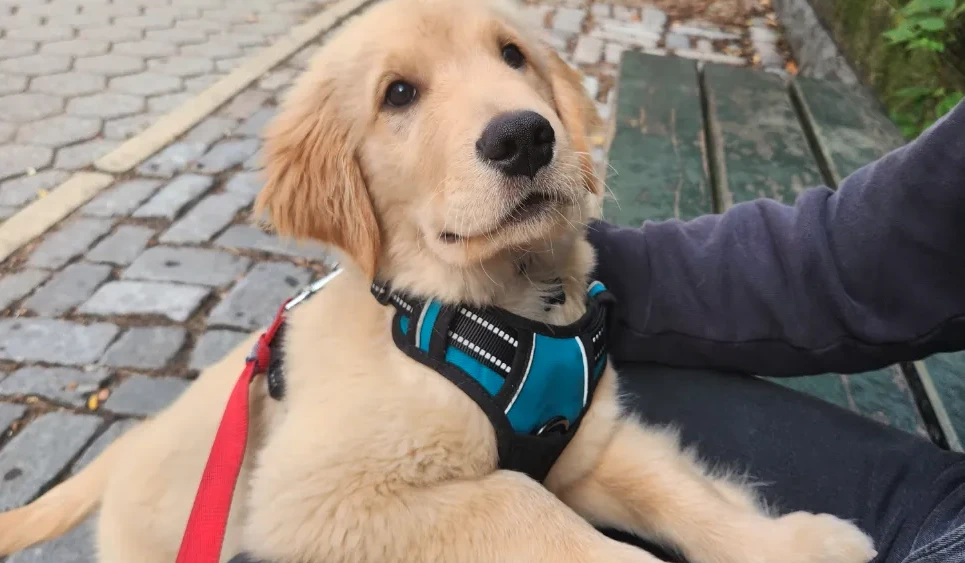
Dogs such as Huskies, German Shepherds, Golden Retrievers, and Labradors have dense undercoats that shed heavily. These breeds often benefit the most from regular undercoat removal treatments.
Long Haired Breeds with Dense Fur
Breeds like Collies, Samoyeds, and certain spaniels can also experience thick undercoats beneath their long hair. This treatment helps prevent tangles and mats that form when loose hair builds up.
Mixed Breeds with Heavy Shedding
Many mixed breed dogs inherit thick or double coats. Furminator treatment can be adapted to suit individual coat types, making it useful beyond purebred dogs.
How Often Should Furminator Treatment Be Done
Seasonal Shedding Considerations
Most thick coated dogs shed more heavily during seasonal changes. During these periods, treatments may be recommended every four to six weeks to manage excessive hair loss effectively.
Routine Maintenance Schedule
Outside of heavy shedding seasons, treatments every eight to twelve weeks are often sufficient. The exact frequency depends on the dog’s breed, coat condition, and lifestyle.
Signs a Dog Needs Treatment
Excessive shedding, visible clumps of loose hair, dull coat appearance, or increased scratching can indicate that a dog may benefit from undercoat removal. Consulting a professional groomer can help determine the ideal schedule.
Furminator Treatment Compared to Regular Brushing
Depth of Hair Removal
Standard brushing mainly addresses surface hair and tangles. Furminator treatment goes deeper, targeting loose undercoat hair that regular brushes often miss.
Time and Efficiency
While daily brushing is helpful, it can be time consuming and may still leave large amounts of loose hair behind. A professional treatment removes a significant amount of hair in one session, making routine maintenance easier afterward.
Reduced Risk of Coat Damage
When done correctly, this treatment removes only dead hair and does not cut or thin the healthy coat. Improper brushing techniques, on the other hand, can sometimes cause breakage or irritation.
Safety and Comfort Considerations
Gentle Approach for Sensitive Dogs
Dogs with sensitive skin or anxiety can still benefit from this treatment when it is performed patiently and carefully. Proper technique ensures the process is comfortable and stress free.
Avoiding Over Treatment
While effective, this treatment should not be overdone. Removing too much undercoat too frequently can disrupt natural insulation. A balanced schedule ensures optimal results without compromising coat health.
Importance of Professional Expertise
Using the correct tools and methods is essential. Skilled groomers understand coat types and know how to adjust pressure and technique to suit each dog’s needs.
Preparing a Dog for Furminator Treatment
Pre Grooming Assessment
Before the treatment, the coat should be free of severe mats or tangles. Any existing skin conditions should also be identified to ensure the process is safe and beneficial.
Bathing and Drying
A clean, dry coat allows the treatment to work more effectively. Bathing helps loosen dead hair, while thorough drying ensures smooth and efficient undercoat removal.
Calm Environment
A relaxed setting helps dogs remain comfortable during grooming. Gentle handling and positive reinforcement contribute to a better overall experience.
Maintaining Results at Home
Regular Light Brushing
Between professional treatments, light brushing helps manage surface hair and prevent tangles. This supports the long term benefits of undercoat removal.
Proper Nutrition and Hydration
A healthy coat starts from within. Balanced nutrition and adequate hydration promote strong hair growth and reduce excessive shedding.
Monitoring Skin and Coat Health
Dog owners should regularly check for dryness, redness, or unusual shedding patterns. Early attention to changes helps maintain coat health and comfort.
Conclusion
Furminator treatment for dogs with thick coats offers a practical and effective solution for managing heavy shedding, improving comfort, and maintaining a healthy coat. By targeting loose undercoat hair, this grooming method addresses the root causes of many common coat issues while enhancing the dog’s overall well being. When performed at appropriate intervals and combined with proper at home care, it can make a noticeable difference in both appearance and comfort.
For dog owners seeking professional grooming support and expert care, services provided by Mobile Dog Grooming LLC help ensure that thick coated dogs receive attentive, safe, and effective grooming tailored to their unique needs.























Sign in to leave a comment.