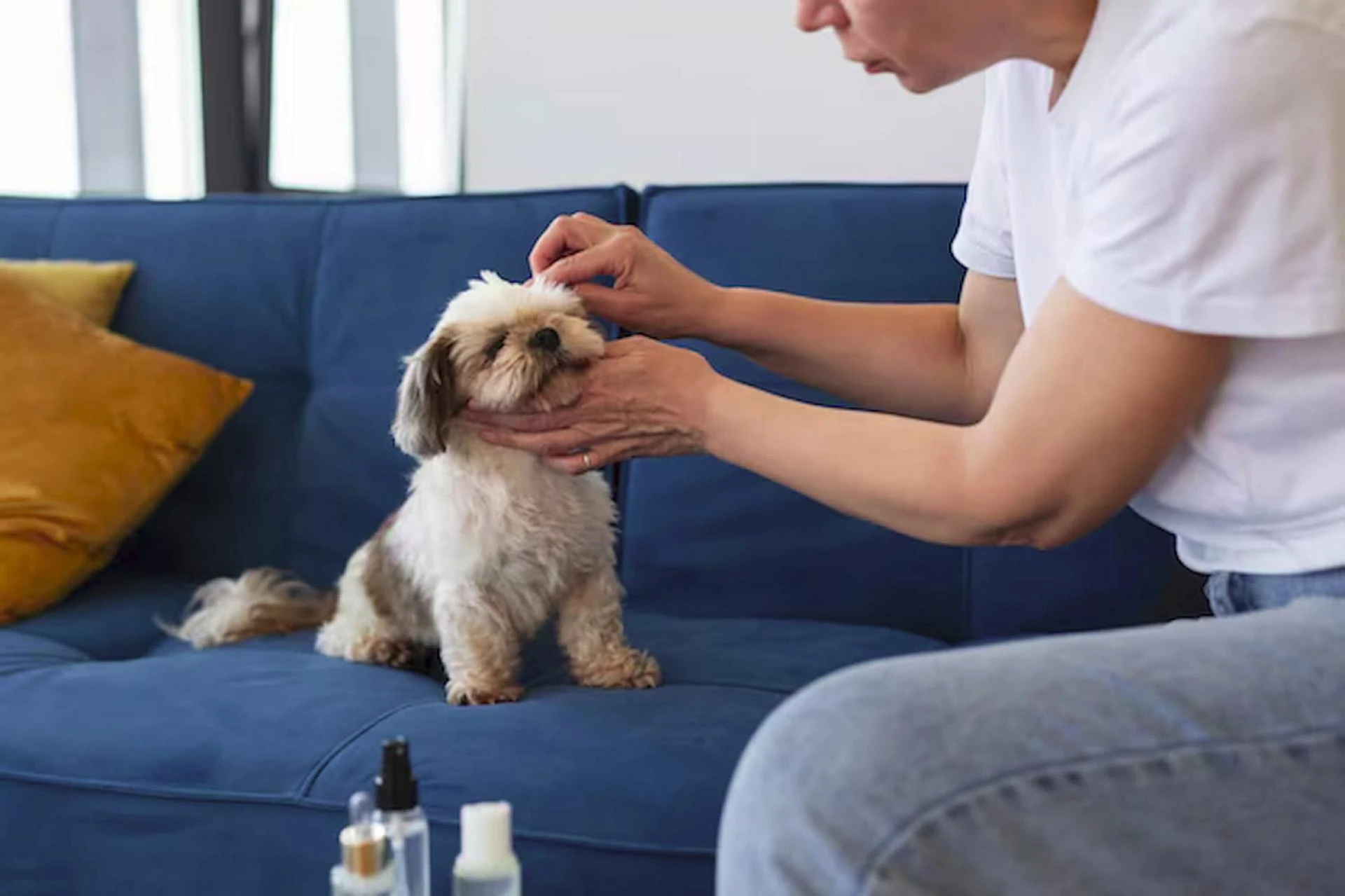

Fleas are one of the most common and frustrating problems dog owners face. These tiny parasites can quickly turn a happy and healthy pet into an itchy, uncomfortable companion. Understanding flea treatment for dogs is essential for protecting a dog’s health, preventing infestations in the home, and ensuring long term comfort.
This comprehensive guide explains how fleas affect dogs, the different treatment options available, how to choose the right solution, and practical prevention strategies. By learning how flea treatment for dogs works, pet owners can make informed decisions that support their dog’s overall well being.
Understanding Fleas and How They Affect Dogs
Before selecting a flea treatment for dogs, it is important to understand how fleas live, reproduce, and impact canine health.
The Flea Life Cycle
Fleas go through four life stages: egg, larva, pupa, and adult. Adult fleas live on a dog and lay eggs that fall into carpets, bedding, and furniture. These eggs hatch into larvae, develop into pupae, and eventually emerge as adult fleas ready to feed.
Because most of the flea population lives in the environment rather than on the dog, effective flea treatment for dogs often involves both pet care and home management.
Common Signs of a Flea Infestation
Dogs with fleas often show clear symptoms, including:
Excessive scratching or biting at the skin
Red or irritated skin
Hair loss in certain areas
Small black specks known as flea dirt
Restlessness or discomfort
Some dogs develop flea allergy dermatitis, which is an allergic reaction to flea saliva. Even a single flea bite can cause intense itching and inflammation in sensitive dogs.
Why Flea Treatment for Dogs Is Essential
Ignoring fleas can lead to serious health issues. Flea treatment for dogs is not only about comfort but also about preventing medical complications.
Skin Infections
Persistent scratching can break the skin, allowing bacteria to enter and cause infections. These infections may require veterinary treatment and can become severe if left untreated.
Anemia
In heavy infestations, especially in puppies or small dogs, blood loss from flea bites can lead to anemia. This condition can be life threatening if not addressed quickly.
Tapeworm Transmission
Fleas can carry tapeworm larvae. When a dog ingests an infected flea during grooming, tapeworm infection can occur. Effective flea treatment for dogs helps reduce this risk.
Types of Flea Treatment for Dogs
There are several options available for flea treatment for dogs. Each method works differently and may be more suitable for certain dogs or lifestyles.
Topical Treatments
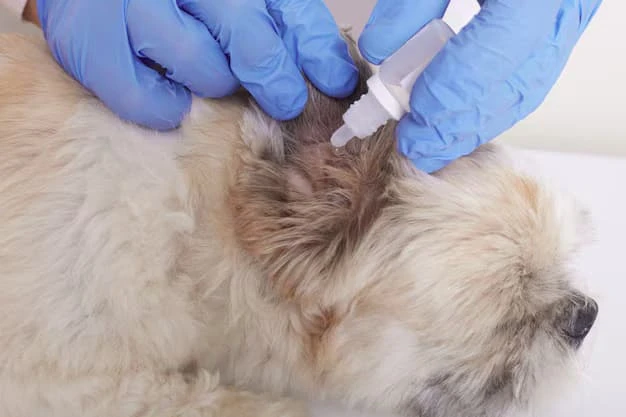
Topical treatments are applied directly to the dog’s skin, usually between the shoulder blades. These treatments spread through natural skin oils and kill fleas on contact or after they bite.
Topical flea treatment for dogs typically provides protection for about one month. It is important to follow dosage instructions based on the dog’s weight.
Oral Medications
Oral flea treatments come in chewable tablets or pills. These medications work from within the dog’s bloodstream and kill fleas when they bite.
Many pet owners prefer oral flea treatment for dogs because it eliminates concerns about residue on the coat. Some options work within hours and provide month long protection.
Flea Collars
Flea collars release active ingredients that repel or kill fleas. Modern collars can provide several months of protection when used correctly.
This type of flea treatment for dogs can be convenient, though effectiveness may vary depending on the product and the dog’s activity level.
Flea Shampoos and Sprays
Shampoos and sprays can kill fleas on contact and offer immediate relief. However, they often provide short term protection and may need to be combined with longer lasting flea treatment for dogs.
These products are particularly useful during active infestations when quick action is needed.
Choosing the Right Flea Treatment for Dogs
Selecting the best flea treatment for dogs requires consideration of several factors.
Age and Weight
Some treatments are not suitable for puppies under a certain age or dogs below a specific weight. Always check product guidelines carefully.
Health Conditions
Dogs with existing health issues may require special consideration. It is wise to consult a veterinarian before starting any new flea treatment for dogs, especially if the dog is pregnant, nursing, or taking other medications.
Lifestyle and Environment
Dogs that spend a lot of time outdoors may need stronger or more consistent protection. Homes with multiple pets also require coordinated flea treatment for dogs and other animals to prevent reinfestation.
Natural and Alternative Approaches
Some pet owners prefer natural flea treatment for dogs. While natural remedies may help in mild cases, they should be used carefully and realistically.
Essential Oils
Certain essential oils are believed to repel fleas. However, not all oils are safe for dogs. Improper use can cause skin irritation or toxicity.
Herbal Sprays and Powders
Herbal based sprays and powders may offer mild repellent effects. These options can complement a primary flea treatment for dogs but may not be sufficient during severe infestations.
Frequent Grooming
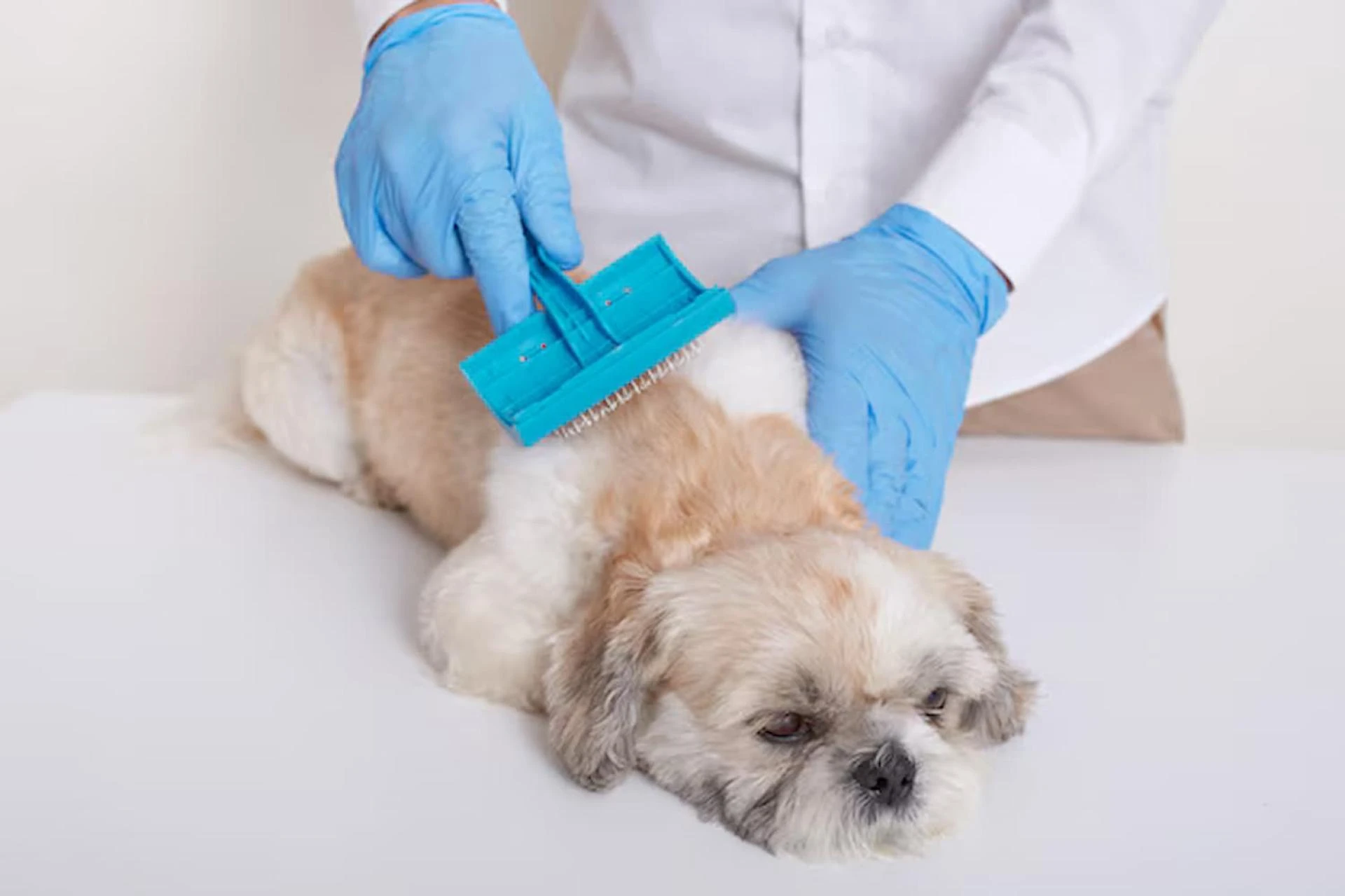
Regular bathing and brushing help remove fleas and flea dirt. Grooming also allows early detection, making flea treatment for dogs more effective.
Treating the Home Environment
Because fleas spend much of their life cycle off the dog, environmental control is crucial.
Vacuuming and Cleaning
Frequent vacuuming of carpets, rugs, and furniture removes eggs and larvae. Washing bedding in hot water also helps eliminate hidden fleas.
Yard Maintenance
Keeping grass trimmed and removing debris reduces flea habitats. Outdoor flea control measures may be necessary in heavily infested areas.
Coordinated Pet Treatment
All pets in the household should receive appropriate flea treatment for dogs or other animals at the same time. This prevents fleas from moving between hosts.
Preventing Future Infestations
Prevention is easier than eliminating a full infestation. Consistent flea treatment for dogs is the foundation of effective prevention.
Year Round Protection
Fleas can survive indoors during colder months. Year round flea treatment for dogs helps maintain continuous protection.
Routine Grooming
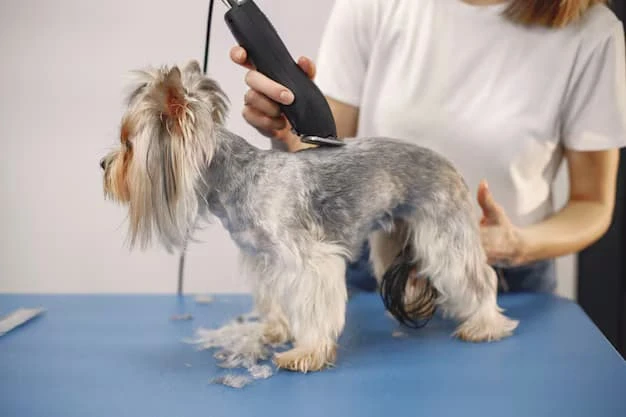
Professional grooming services can help detect early signs of fleas. Regular coat care supports healthy skin and makes it easier to spot problems.
Monitoring and Quick Response
Pet owners should regularly check their dogs for signs of scratching or irritation. Early action with flea treatment for dogs can stop an infestation before it spreads.
Common Mistakes to Avoid
Even well meaning pet owners can make errors when using flea treatment for dogs.
Using dog products on cats or vice versa can be dangerous.
Applying incorrect dosages may reduce effectiveness or cause harm.
Stopping treatment too early can allow fleas to return.
Failing to treat the home environment often leads to reinfestation.
Following instructions carefully and maintaining consistency ensures better results.
When to Seek Veterinary Help
In some cases, professional guidance is necessary.
If a dog experiences severe itching, skin infections, lethargy, or unusual reactions after starting flea treatment for dogs, veterinary care should be sought immediately. Persistent infestations despite proper treatment may also require expert evaluation.
A veterinarian can recommend advanced solutions tailored to the dog’s specific needs.
Conclusion
Flea treatment for dogs is a vital part of responsible pet ownership. From understanding the flea life cycle to choosing the right product and maintaining a clean environment, every step plays a role in protecting a dog’s health and comfort.
Consistent prevention, proper application, and early intervention make all the difference. Whether dealing with a minor issue or a serious infestation, informed decisions lead to better outcomes for both pets and their families.
For pet owners seeking convenient grooming support and professional care, Mobile Dog Grooming, LLC can be a helpful partner in maintaining a clean, healthy, and happy dog.
























Sign in to leave a comment.