

Fleas and ticks are more than minor irritations for dogs. These parasites can cause significant discomfort, trigger allergic reactions, and transmit serious diseases. For this reason, choosing a safe flea and tick treatment for dogs is one of the most important responsibilities of a pet owner. Safety and effectiveness must go hand in hand to protect a dog’s health without causing unnecessary side effects.
This comprehensive guide explains how fleas and ticks affect dogs, the different types of treatments available, how to select safe options, and how to build a long term prevention strategy. By understanding the principles behind flea and tick treatment for dogs, owners can confidently make decisions that promote comfort and well being.
Understanding Fleas and Ticks
Before selecting a flea and tick treatment for dogs, it is helpful to understand how these parasites live and why they are dangerous.
How Fleas Affect Dogs
Fleas are small insects that feed on blood. Once they find a host, they reproduce quickly and spread throughout the home environment. A flea infestation can cause:
Persistent scratching
Red and inflamed skin
Hair loss
Hot spots
Flea allergy dermatitis
In severe cases, particularly in puppies or small dogs, heavy infestations can lead to anemia due to blood loss. Fleas can also carry tapeworm larvae, which may infect dogs if ingested during grooming.
How Ticks Impact Dogs
Ticks attach firmly to a dog’s skin and feed for several days. During feeding, they can transmit dangerous diseases such as Lyme disease and other tick borne illnesses. Unlike fleas, ticks often inhabit wooded areas, tall grass, and outdoor environments.
Because ticks remain attached for extended periods, early detection and prevention are crucial components of safe flea and tick treatment for dogs.
Why Safety Matters in Flea and Tick Treatment
While eliminating parasites is important, using products improperly or selecting unsuitable treatments can cause harm. A safe flea and tick treatment for dogs must balance effectiveness with minimal risk.
Sensitivity and Allergic Reactions
Some dogs have sensitive skin or underlying health conditions that make them more vulnerable to side effects. Using harsh chemicals or incorrect dosages may result in skin irritation, digestive upset, or neurological symptoms.
Age and Health Considerations
Puppies, senior dogs, pregnant dogs, and dogs with medical conditions require special attention when choosing flea and tick treatment for dogs. Certain treatments may not be approved for very young or medically fragile animals.
Consulting a veterinarian before starting a new treatment ensures that the product is appropriate for the dog’s specific needs.
Types of Flea and Tick Treatment for Dogs
There are several categories of flea and tick treatment for dogs. Each has unique benefits and considerations.
Topical Treatments
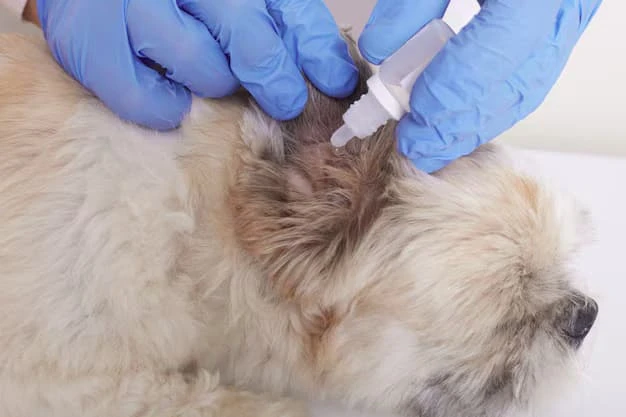
Topical treatments are applied directly to the skin, usually between the shoulder blades. These products spread through natural oils on the dog’s skin and coat.
How Topical Treatments Work
Most topical treatments kill fleas and ticks on contact or after they bite. They typically provide protection for about one month.
Safety Tips for Topical Use
To ensure safety:
Apply only the recommended dose based on weight
Prevent other pets from licking the application site
Avoid bathing the dog immediately after application unless directed
Proper application reduces the risk of adverse reactions and maximizes effectiveness.
Oral Medications
Oral medications are given as chewable tablets or pills. They work internally and kill parasites after they feed on the dog.
Advantages of Oral Treatment
Oral flea and tick treatment for dogs avoids residue on the coat and eliminates concerns about topical transfer to other pets or children.
Monitoring for Side Effects
While generally safe when prescribed appropriately, owners should monitor for vomiting, lethargy, or unusual behavior after administration and consult a veterinarian if concerns arise.
Flea and Tick Collars
Modern flea and tick collars are designed to release active ingredients slowly over time.
Long Lasting Protection
Some collars provide several months of continuous protection, making them convenient for busy households.
Proper Fit and Placement
A collar should fit snugly but not tightly. Regular checks ensure it remains secure and does not cause irritation.
Shampoos and Sprays
Shampoos and sprays can kill parasites on contact and provide immediate relief.
Short Term Benefits
These products are useful during active infestations but typically do not offer long term protection on their own.
Gentle Formulations
Choosing mild formulations designed specifically for dogs helps reduce the risk of skin dryness or irritation.
Natural and Alternative Options
Some pet owners prefer natural flea and tick treatment for dogs. While natural options can be appealing, they must be used thoughtfully.
Essential Oil Based Sprays
Certain diluted essential oils may repel parasites. However, essential oils must be carefully selected and properly diluted. Some oils can be toxic to dogs if used incorrectly.
Herbal Shampoos
Herbal shampoos may help soothe irritated skin and wash away fleas. They are often used as supportive care rather than primary treatment.
Dietary Supplements
Supplements that support skin health, such as omega fatty acids, may strengthen the skin barrier and reduce irritation from bites. While beneficial for overall wellness, they should not replace proven flea and tick treatment for dogs in high risk environments.
Choosing the Right Flea and Tick Treatment for Dogs
Selecting a safe and effective product requires careful evaluation.
Consider the Dog’s Lifestyle
Dogs that spend significant time outdoors may require stronger or more consistent protection than those primarily indoors.
Evaluate the Local Environment
In regions with high tick populations, comprehensive flea and tick treatment for dogs is essential. Year round protection may be necessary in warm climates.
Follow Veterinary Guidance
Veterinarians consider factors such as breed, weight, medical history, and environmental exposure when recommending treatments. Professional guidance helps ensure both safety and effectiveness.
Environmental Control for Complete Protection
A safe flea and tick treatment for dogs should include environmental management.
Indoor Cleaning Practices
Vacuuming carpets, rugs, and upholstery removes flea eggs and larvae. Washing pet bedding in hot water helps eliminate hidden pests.
Outdoor Maintenance
Keeping grass trimmed and removing leaf litter reduces tick habitats. Creating dry and open spaces in the yard discourages flea development.
Regular Grooming
Routine grooming allows early detection of parasites. Brushing the coat and checking the skin after outdoor activities can prevent minor problems from becoming major infestations.
Common Mistakes to Avoid
Even well intentioned owners may make errors when applying flea and tick treatment for dogs.
Using products intended for other species can be dangerous.
Applying multiple treatments simultaneously without veterinary approval increases risk.
Skipping doses reduces effectiveness and may allow reinfestation.
Ignoring the home environment can undermine even the best treatment plan.
Consistency and careful adherence to instructions are essential for safety.
Recognizing When Treatment Is Not Enough
In some cases, professional medical attention is necessary.
Signs that require veterinary evaluation include:
Persistent scratching despite treatment
Skin infections or open sores
Lethargy or loss of appetite
Swelling or redness at tick attachment sites
Signs of tick borne illness such as joint pain or fever
Prompt attention helps prevent complications and ensures the dog receives appropriate care.
Building a Long Term Prevention Plan
Effective flea and tick treatment for dogs is not a one time action. It requires ongoing prevention and monitoring.
Year Round Protection
Parasites can survive indoors during colder months. Maintaining consistent treatment throughout the year reduces the risk of seasonal infestations.
Regular Health Checks
Routine veterinary visits provide opportunities to evaluate the effectiveness of the current flea and tick treatment for dogs and make adjustments as needed.
Integrated Approach
Combining medical treatment, environmental management, and routine grooming creates a comprehensive and safe prevention strategy.
Conclusion
Choosing a safe flea and tick treatment for dogs is essential for protecting their health, comfort, and overall quality of life. By understanding the different types of treatments available, considering individual needs, and maintaining a clean environment, pet owners can significantly reduce the risk of infestations and related health problems.
Safety should always be the top priority. With proper guidance, consistent use, and careful monitoring, flea and tick treatment for dogs can be both effective and gentle. For pet owners seeking professional grooming support as part of their overall pet care routine, Mobile Dog Grooming, LLC offers services that complement a responsible and comprehensive prevention plan.

























Sign in to leave a comment.