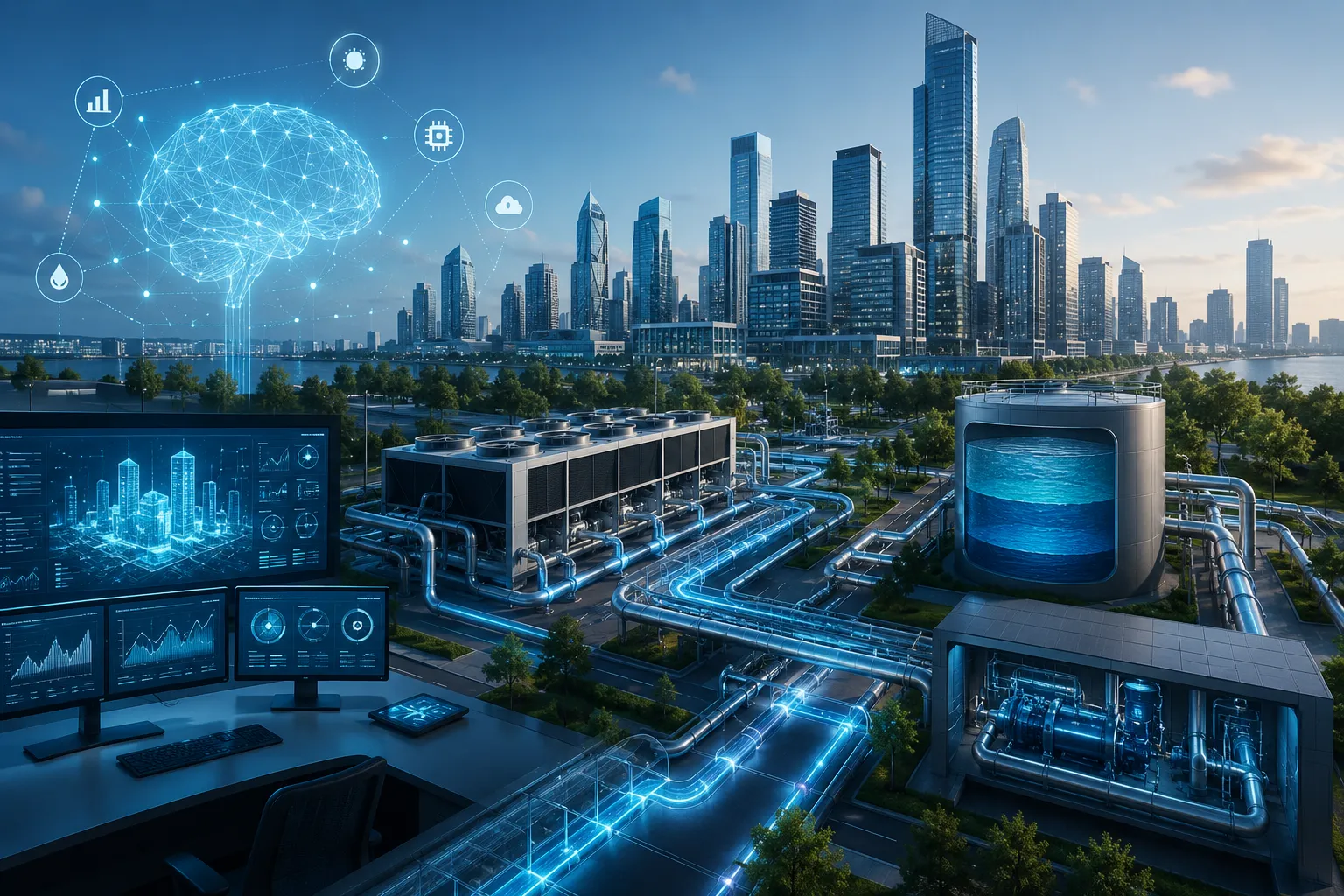

As cities continue to grow, the demand for smarter and cleaner cooling solutions is increasing rapidly. Commercial buildings, residential communities, airports, hospitals, and business districts all require reliable cooling systems that consume less energy and reduce environmental impact. Modern cooling technologies are now moving beyond traditional methods and embracing automation, artificial intelligence, and advanced energy management solutions.
The future of cooling lies in systems that are intelligent, sustainable, and capable of adapting to changing energy demands. These innovations are helping cities lower electricity consumption while improving comfort and operational efficiency.
The Shift Toward Smarter Cooling Infrastructure
Cooling systems are no longer managed manually alone. Advanced digital technologies now allow operators to monitor temperature, energy use, and equipment performance in real time. Automation tools can quickly identify inefficiencies, reduce downtime, and improve overall performance without requiring constant human supervision.
A modern district cooling plant uses centralised chilled water production to cool multiple buildings through a connected network. This approach is becoming more popular in urban developments because it reduces the need for individual cooling units in every building.
Automation also helps operators manage cooling loads more efficiently during peak hours. Smart sensors and predictive software can adjust cooling output based on weather, occupancy levels, and energy demand. This results in lower operational costs and improved energy savings.
How Thermal Storage Improves Energy Efficiency
Thermal energy storage is becoming a key part of future cooling systems. Instead of producing cooling continuously during high-demand periods, chilled water or ice can be stored during off-peak hours and used later when demand rises.
This strategy reduces pressure on electricity grids and lowers energy expenses for both operators and consumers. Thermal storage also helps maintain stable cooling performance during extreme weather or unexpected power demand spikes.
Many large-scale developments are adopting thermal storage because it supports sustainability goals and improves energy management. It also reduces carbon emissions by minimising the use of electricity during peak demand periods.
In many urban projects, a district cooling system combined with thermal storage creates a more reliable and environmentally responsible cooling solution. This model supports smart city development while helping governments meet long-term climate targets.
The Growing Role of Artificial Intelligence
Artificial intelligence is transforming the way cooling infrastructure operates. AI-powered monitoring systems can analyse large amounts of operational data and identify patterns that humans may overlook. These systems can predict maintenance needs, optimize energy consumption, and improve system reliability.
For example, AI can detect equipment issues before failures occur, allowing maintenance teams to act early and avoid expensive repairs. Predictive maintenance also extends the lifespan of cooling equipment and reduces service interruptions.
AI monitoring platforms can continuously learn from operational behaviour and automatically improve performance over time. This helps operators maintain consistent cooling quality while reducing unnecessary energy usage.
An advanced energy efficient air conditioning system supported by AI technology can significantly reduce electricity consumption in large buildings and urban communities. As energy costs continue to rise, AI-driven optimization will become increasingly valuable.
Sustainability Will Shape the Future
Environmental responsibility is becoming one of the biggest priorities in the cooling industry. Governments and developers are focusing on technologies that reduce greenhouse gas emissions and improve resource efficiency.
Future cooling systems are expected to integrate renewable energy sources, advanced automation, and intelligent monitoring tools to create more sustainable urban environments. Water conservation, lower carbon footprints, and efficient energy usage will remain major goals for upcoming projects.
Conclusion
The future of cooling technology is moving toward smarter, cleaner, and more efficient solutions. Automation, thermal energy storage, and AI monitoring are transforming how large-scale cooling systems operate in modern cities. These innovations not only improve performance and reduce operational costs but also support long-term sustainability goals. As urban areas continue to expand, investing in advanced cooling infrastructure will become essential for creating environmentally responsible and energy-efficient communities. A well-designed district cooling plant will play a major role in shaping the future of sustainable urban development.


























Sign in to leave a comment.