

General surgery is a highly specialized discipline focused on the surgical management of the abdominal organs, endocrine system, breasts, skin, and soft tissues. Despite the word "general," these surgeons are highly trained specialists who diagnose and treat a wide array of complex conditions. Many modern procedures are performed using minimally invasive techniques, which significantly reduce pain and recovery times for patients.
For individuals living in and around Uttar Pradesh, accessing high-quality surgical care close to home is essential. Institutions like Renuka Hospital Aligarh have established themselves as trusted centers for these procedures, combining advanced technology with compassionate, patient-centered care. Understanding the common conditions that require general surgery can help patients make informed decisions about their healthcare journeys.
Common Abdominal and Gastrointestinal Conditions
The digestive tract and abdominal organs are the primary focus of a general surgeon's daily practice. Conditions affecting these areas can range from chronic discomfort to acute, life-threatening emergencies.
One of the most frequent surgical emergencies is appendicitis, an acute inflammation of the appendix. If left untreated, the appendix can rupture, leading to severe abdominal infections. Another widespread issue is gallstone disease. The gallbladder stores bile, but when this liquid hardens into stones, it can block the bile ducts, causing intense pain, nausea, and jaundice. General surgeons routinely perform cholecystectomies (gallbladder removal) to permanently resolve this painful condition.
Additionally, conditions like chronic acid reflux (GERD) that fail to respond to medication, severe diverticulitis, and gastrointestinal tumors often fall under the expertise of general surgical teams.
The Reality of Hernias across Different Age Groups
A hernia occurs when an internal organ or tissue pushes through a weak spot in the surrounding muscle or connective tissue. Hernias can develop in various parts of the body, though they are most common in the abdomen and groin area. In adults, inguinal, femoral, and incisional hernias are frequently diagnosed and typically require surgical repair to prevent complications like bowel strangulation.
Hernias are not exclusive to adults; they can also affect infants, particularly around the belly button. When managing pediatric cases, parents often look for guidance on how to care for their little ones before or after a surgical consultation. Learning about the 5 essential steps to protect your baby’s hernia can give parents peace of mind while they coordinate with pediatric and general surgeons to determine the best treatment timeline.
Advanced Surgical Options and Minimally Invasive Techniques
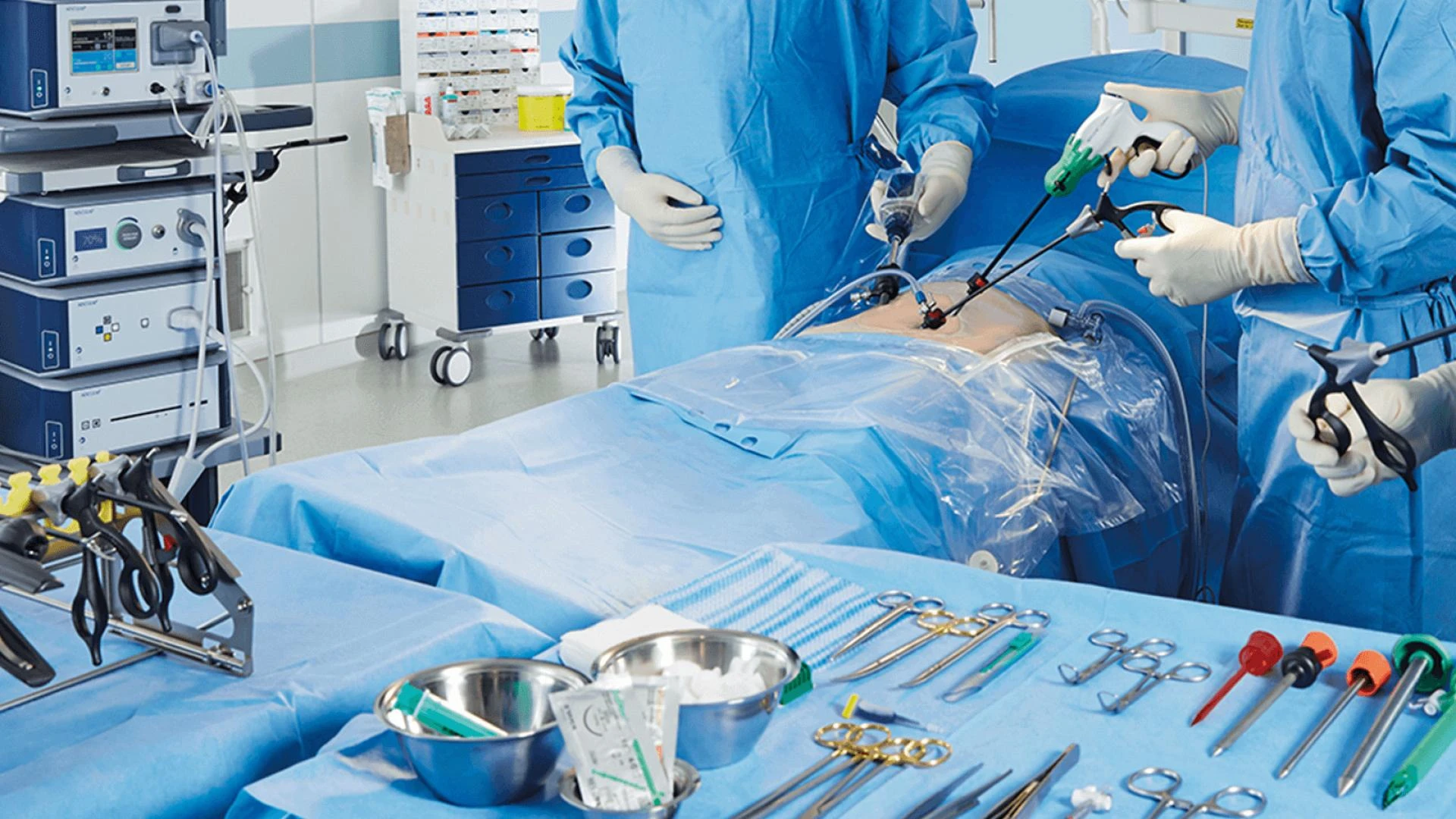
Medical advancements have completely transformed how general surgeries are performed. Traditional open surgery, which requires large incisions, is no longer the only option for many common procedures. Today, laparoscopy—often enhanced by advanced energy devices—allows surgeons to operate through tiny, keyhole incisions.
This evolution in care introduces unique procedural advantages. Patients who undergo these advanced techniques often experience less post-operative pain, minimal scarring, and shorter hospital stays. Exploring the benefits of laprosonic surgery for fast recovery highlights how modern technology helps patients return to their daily routines much quicker than historical surgical approaches allowed. From hernia repairs to appendix removals, minimally invasive techniques have become the gold standard of care.
Choosing the Right Surgical Care Team
Undergoing any surgical procedure can feel daunting, making the choice of healthcare provider incredibly important. A successful surgical outcome relies heavily on the experience of the medical team, the quality of the diagnostic equipment, and the standard of post-operative support available at the hospital.
When faced with a surgical diagnosis, consulting with expert general surgery doctors in aligarh ensures that you receive a precise evaluation and a customized treatment plan. Renuka Hospital Aligarh stands out as a premier healthcare institution in the region, offering a dedicated team of surgeons, state-of-the-art operating theaters, and comprehensive rehabilitation care designed to support patients every step of the way.
Preparing for Surgery and Post-Operative Recovery
Preparation and recovery are vital phases of the surgical journey. Prior to any operation, general surgeons conduct thorough pre-operative assessments, including blood tests, imaging, and cardiovascular evaluations, to maximize patient safety. Patients receive detailed instructions regarding fasting, medication management, and what to expect on the day of the procedure.
Post-operative recovery depends heavily on the type of surgery performed. While minimally invasive procedures offer a faster path to healing, adhering strictly to the surgeon's guidelines is universally crucial. This includes proper wound care, pain management, gradual physical activity, and attending all follow-up appointments. By choosing a reputable hospital with an experienced surgical team, patients ensure they have the guidance and resources necessary for a smooth, complications-free transition back to optimal health.



























Sign in to leave a comment.