
Every family has a season when toys seem to multiply faster than socks in a tumble dryer. The floor becomes a maze, the shelves sag, and your kid’s favourite characters stage a plastic parade across every surface. This is a story about regaining calm without power struggles, a chapter at a time, and about helping your child build skills they will use for life.
You are not trying to win a battle; you are guiding a character through growth. At the very end, if you need an extra pair of hands, a junk removal service can make the final step simple, but the heart of this journey happens between you and your child.
Begin with a story and invite your child into the plot
Children respond to narratives, so you can start by giving the room a role and a goal. You might say that the bedroom is a place where sleep and play are teammates, but they need room to practice. When the space is framed as a character that needs help, your child becomes a helper rather than a culprit. You can walk the room together and identify “scenes” that feel crowded and “scenes” that feel peaceful. The aim is to turn decluttering into a collaborative mission.
Set a clear definition of “used” and “unused”
Words like “unused” can feel vague to kids, so you can define them together with time and behaviour. You might decide that a toy counts as “used” if it has been played with in the last month or if your child lights up when they see it. You can add one exception card for something sentimental, because parting with everything at once rarely works. When your child co-writes the rules, the rules feel fair. When the rules feel fair, choices become easier.
Build a “toy museum” (every item earns an exhibit card)
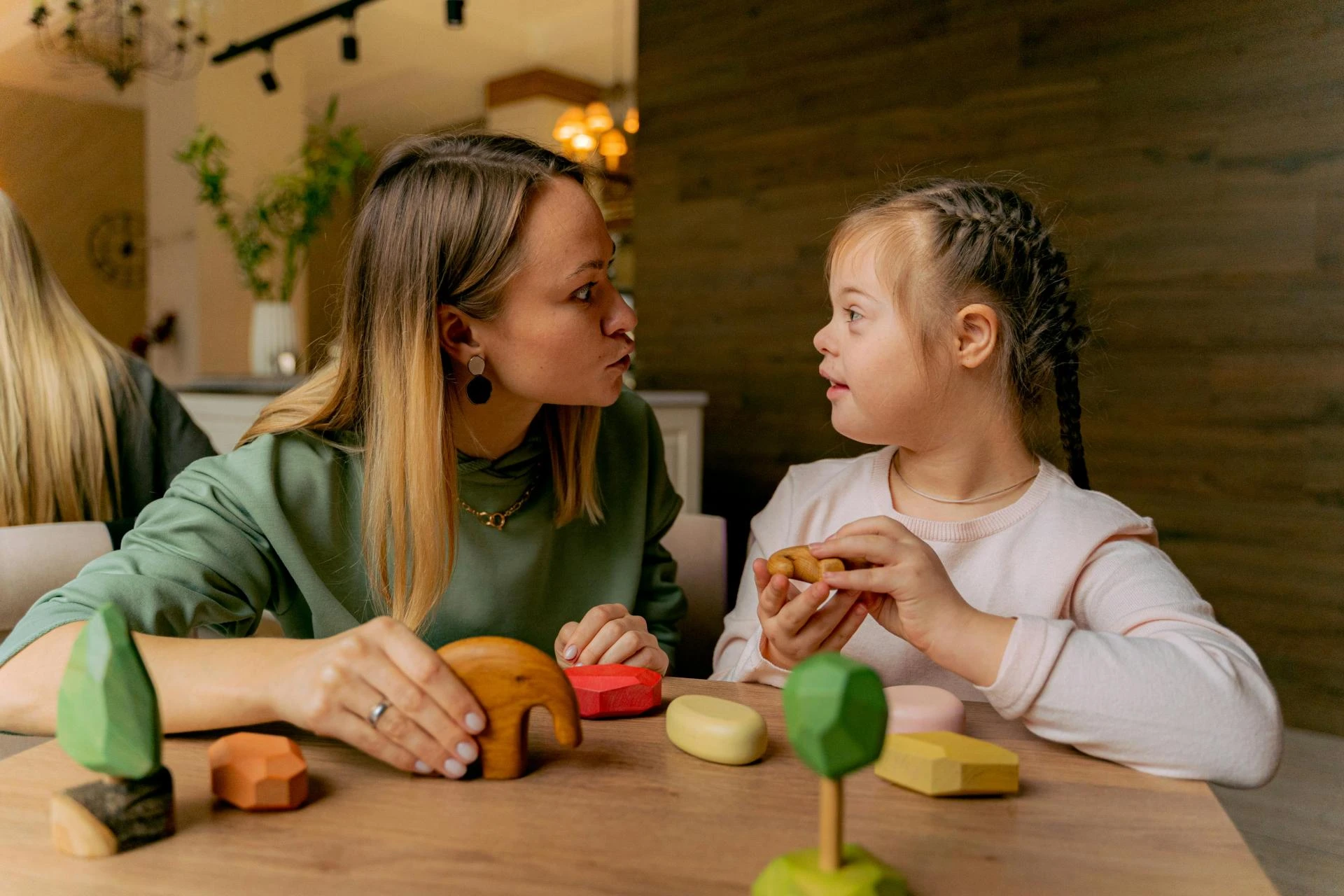
You can set up a table and call it the museum for the day. Each toy gets a moment on display and a quick interview: What is your name? What do you do? Who plays with you now? You can write a tiny “exhibit card” on a sticky note and place it beneath the toy. The ritual slows decisions down just enough to be thoughtful without getting stuck. Many children will naturally sort toys into “star exhibits” that should stay and “retiring exhibits” that are ready for a new audience. The museum method makes selection feel ceremonial rather than punitive.
Offer choice in small doses so decisions feel safe
A mountain of toys can overwhelm anyone, especially a child. You can work in tight, time-boxed rounds: ten minutes, one shelf, or one bin. You can present three items at a time and ask your child to choose one to keep, one to pass on, and one to reconsider later. By shrinking the decision landscape, you reduce decision fatigue and leave room for confident choices. Momentum builds quietly when wins feel frequent and manageable.
Use a “trial separation” box that turns time into a teacher
Some toys hover in the maybe zone. You can create a clearly labelled box for those and seal it with a date three to six weeks out.
You can tell your child that you will store the box on a high shelf and set a reminder on your phone. If no one asks for the items by the date, the box graduates to the outgoing pile. Time often does the convincing that a parent’s words cannot. The box also gives your child proof that letting go is reversible for a while, which eases anxiety and reduces last-minute rescues.
Transform generosity into a mission your child can see
Letting go can feel like loss unless it also feels like purpose.
Research local charities or community groups and talk about what they need. Show photos of kids building blocks at a playgroup or of a shelter’s family room. If possible, you can bring your child along when you drop off donations so they can watch their things begin a new chapter. When children see the good their choices create, they often choose to do more good.
Container boundaries that do the quiet policing
Rules work best when the environment enforces them. You can assign a clear home—one bin, one shelf, one drawer—to each category: blocks, dolls, vehicles, puzzles. You can explain that when the home is full, the family decides what to make space for.
Containers act like speed limits: you rarely need a lecture because the limit is printed on the road. This approach also helps your child learn the math of capacity: a small home means fewer items of higher value, which nudges them to choose well.
Replace “goodbye” with a photo memory
Attachment is real; children form friendships with their things. You can validate that bond by taking a photo of an outgoing toy in your child’s hands and typing a one-line thank-you together: “Thank you for all the block towers you helped me build.”
You can save these in a “Grown-Out-Of” album. The ritual acknowledges feelings, celebrates growth, and creates a keepsake that occupies kilobytes rather than cubic feet. Farewells become acknowledgments of the fun that was, not grief over the fun that is gone.
Share the wins with a reward that celebrates effort
The reward does not need to be a new toy; in fact, it is better if it is not. Plan a living-room picnic, a board-game night, or a family movie chosen by the chief declutterer. You can even create a “space-earned” occasion, like sliding the bed away from the wall for a reading nook, because there is finally room. When the reward is connected to the space you just reclaimed, your child experiences the payoff of letting go in their body, not just in a shopping bag.
Plan the final handoff with a junk removal service
After the decisions are made, the quickest way to lose momentum is to let the outgoing pile linger. You can keep the story moving by scheduling a prompt pickup. The sight of boxes leaving the house closes the loop for kids and prevents second-guessing. You can still donate and recycle wherever possible by sorting items beforehand, but a scheduled handoff ensures the departure happens on time. The point is not the truck; the point is the visible finish line.
What to expect after the clutter clears
The first week in a refreshed room often feels like stepping into a library after a fairground. It is quieter, and it may feel almost too neat. That is normal. Play usually becomes deeper because toys are easier to find and easier to put away. Bedtime goes faster because the floor is no longer an obstacle course. You can protect the new normal by keeping those container boundaries and by revisiting the museum method every few months. You can also hold an occasional “toy swap” with friends, which recycles fun without expanding storage.
One last word on pacing and patience
You know your child’s temperament better than any book or blog can.
- If you have a cautious child, you can add more “maybe” decisions and a longer trial period.
- If you have a decisive child, you can move quickly and celebrate early.
Decluttering is not a race; it is more like learning to ride a bike. There will be wobbles, possibly a spill, and then a stretch of smooth cruising that makes you forget the effort it took to get there. You can trust the process and, even better, you can trust your child to rise to it.
This final chapter ties it all together
When you treat decluttering like a story that your child co-authors, you trade power struggles for progress and chaos for calm. You build a space that supports rest and play, and you teach skills that outlast any toy on the shelf.
You guide decisions with simple rules, you honour feelings with rituals, and you close the loop with timely follow-through. If the final chapter calls for outside help, a junk removal service can simply be the last page in a tale that your family will be proud to reread.
























Sign in to leave a comment.