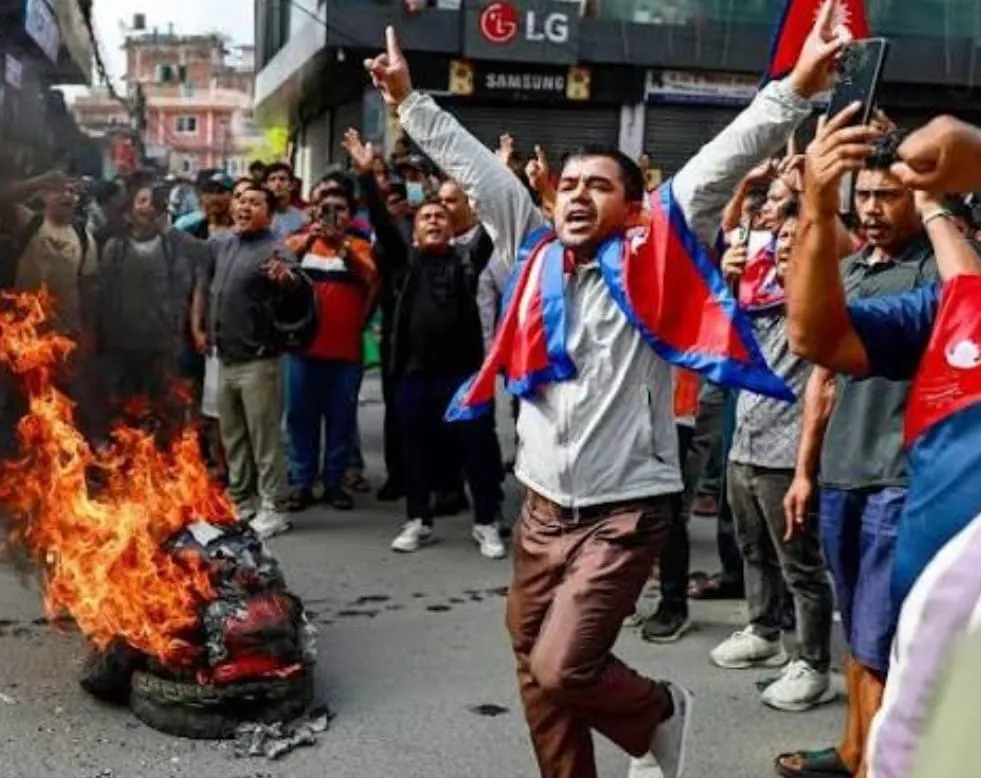

Back in early September of 2025, Nepal saw one of the largest protests its history had ever experienced. People filled the streets and cities, demonstrating against the Nepalese government. It was the Gen Z generation that really led the charge, taking the protests to a whole new level. Gen Z generally includes individuals between 14 and 26 years old – essentially, the country's driving force, its youth. The protests kicked off because the government completely banned major social media platforms like Instagram, Facebook, and X, which many felt was an effort to silence free speech and disagreement.
These protests became a clear sign of Gen Z's determination and strength. With the entire country in an uproar, everyone from local representatives to high-ranking politicians was intimidated by the youth's resolve and the sheer scale of their demonstrations. They pushed back against the authorities by challenging censorship and disseminating information widely. This really highlighted the digital activism and awareness present among young people.
Many people believed the social media ban brought to light a host of deeper problems within Nepalese politics, including corruption, nepotism, high youth unemployment, limited economic prospects, a lack of government accountability, and political instability. These issues became the central reasons behind the Nepalese uprising, ultimately leading to the dismantling of established systems.
Gen Z's Activism in Nepal
As the title implies, the digital activism displayed by students and young people during the protests became a major talking point across the internet. Online users were impressed by their solidarity and awareness. This activism stemmed from years of young people feeling disconnected from the government. It also resulted in the creation of catchy slogans, signs, memes, and symbolic gestures that gained widespread attention online. For example, protestors even used characters from the anime One Piece as a symbol of their rebellion.





























Sign in to leave a comment.