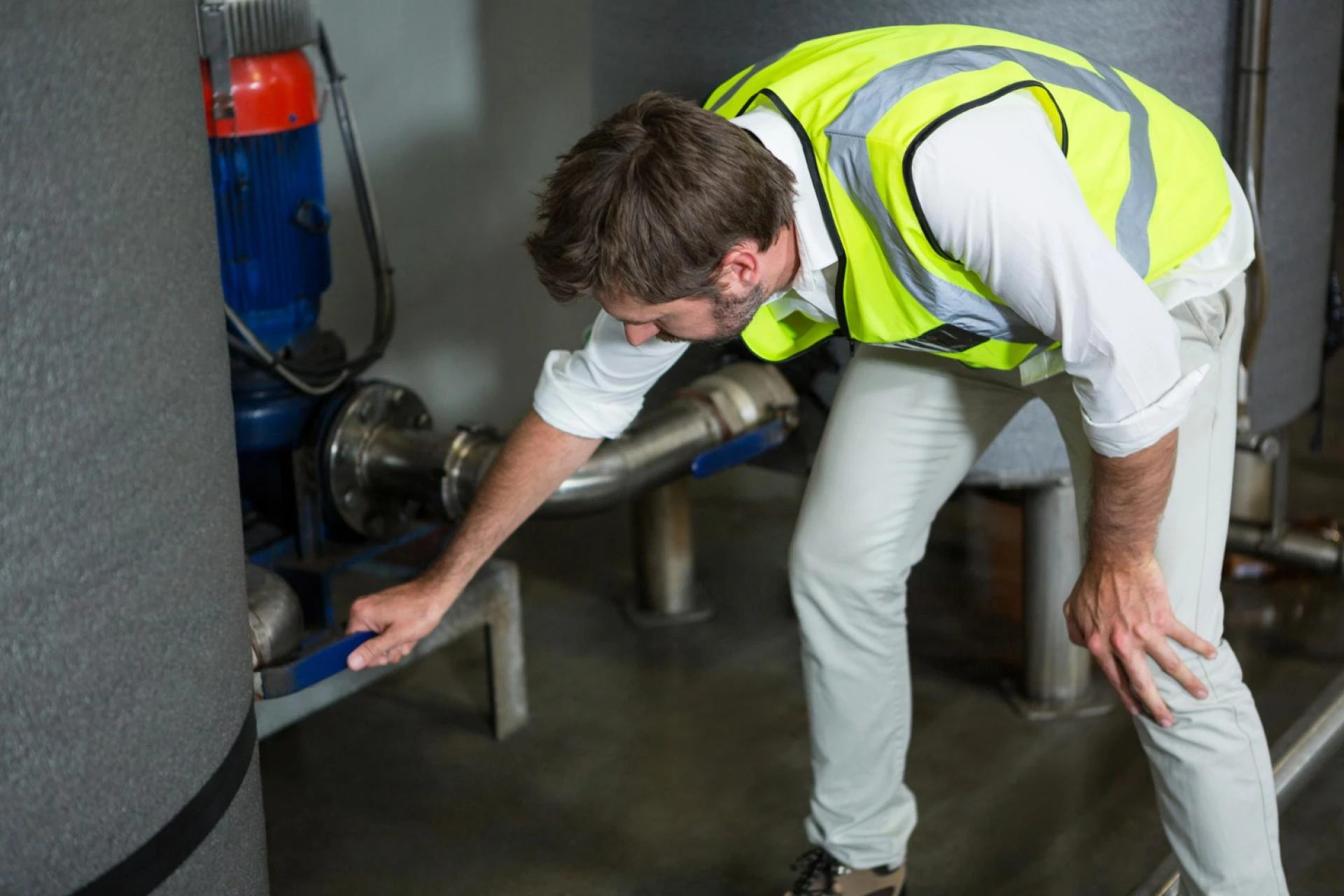

If you run a restaurant, you already know the kitchen can’t function without systems in place. One of the most overlooked-but heavily regulated-pieces of equipment is the grease trap. Ignore it, and you’re not just dealing with clogs and foul smells; you could be staring at fines or an unexpected shutdown. This makes it very important to familiarize yourself with the local laws and how grease trap cleaning services are treated within them.
Why Grease Traps Are Taken So Seriously
Simply put, grease traps are those systems designed to keep fats, oils, and grease from moving into the sewer. Once this stuff gets hard and sets deep within city pipes, several blocks of the system can get totally blocked. Cities spend millions clearing those blockages, which is why they put strict rules on restaurants.
From your side, a clogged trap means sinks backing up in the middle of dinner service, food waste piling up, and inspectors showing up with violation slips. It’s not a corner worth cutting.
How Often Do They Need Cleaning?
There’s no one answer, because every area has its own requirements. Some health departments ask for monthly cleanings, others every three months. A common rule is that if the trap is more than 25% full of grease, it’s due for cleaning-whether you’ve hit your deadline or not.
The best way to avoid missing that window is by working with a reliable grease trap cleaning company. They usually set you up on a schedule, and more importantly, they keep the paperwork you’ll need when an inspector asks for proof. A simple log with dates and service details is often the difference between a quick inspection and a fine.
What the Regulations Usually Cover
While the wording changes from one city to another, most rules boil down to a few basics:
- Grease and food waste can’t be dumped into drains.
- Only licensed haulers can remove and dispose of grease.
- Records of every service must be kept on site.
- Traps that are broken or too small must be replaced.
The penalties aren’t just a slap on the wrist. In some places, violations start in the hundreds and quickly climb into the thousands. Repeat offenders risk suspension of their food license altogether.
Why It Helps to Bring in the Pros
A good commercial kitchen cleaning company doesn’t just pump out your trap. They understand what inspectors usually check for and can give you simple advice to keep things running smoothly between cleanings. Even small habits- like tossing food scraps in the bin instead of rinsing everything into the sink- can slow down buildup in a big way.
And honestly, grease traps are gross work. It’s a lot better to let the pros deal with it so your team can stay focused on cooking instead of scooping out smelly grease.
What Happens If You Let It Slide
Skip maintenance and the problems pile up fast. Wastewater backs up, floors get slick, and that sour odor starts creeping into the dining room. If that happens during a health inspection, you’re not just paying a fine-you could lose a day or more of business.
This is where regular grease trap cleaning services prove their worth. It’s cheaper to stay ahead of the problem than to deal with emergency plumbing calls at midnight.
Simple Ways to Stay Out of Trouble
- Create a cleaning schedule that lines up with local laws.
- Train your staff on what can’t go down the drain.
- Keep a logbook of every cleaning and disposal.
- Check the trap yourself once in a while, so surprises don’t build up.
Grease trap rules can feel annoying, but they’re what keep your kitchen running without backups and stop the city’s pipes from getting clogged. Keeping up with them saves you from surprise fines and messy problems later. A dependable grease trap cleaning company can handle the hard part so you can stick to running your restaurant.




























Sign in to leave a comment.