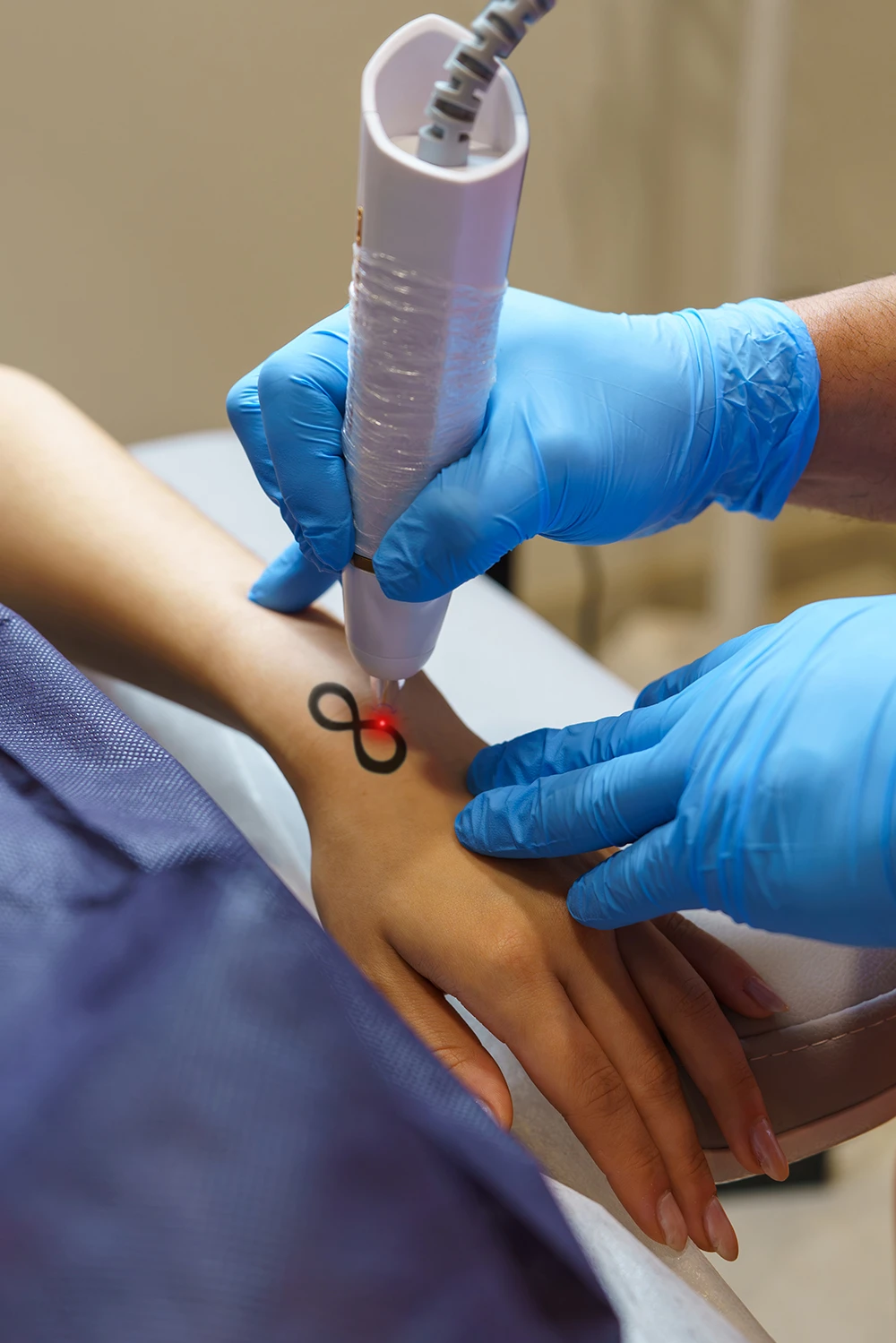

Tattoos can be meaningful, artistic, and deeply personal—but life changes. What once felt like the perfect design might no longer fit your career, lifestyle, or personal taste. If you’re thinking about Hamilton tattoo removal, you’re not alone. Many people reach a point where they want a fresh start with their skin, and modern removal options make that more achievable than ever before.
This guide is written in plain language to help you understand the tattoo removal process without confusion or medical jargon. We’ll break down how removal works, what it feels like, how long it takes, and how to choose the right clinic. Think of this article as a friendly conversation that answers the questions you might be hesitant to ask out loud.
Why People Decide to Remove Tattoos
People choose to remove tattoos for many different reasons, and all of them are valid. Some common motivations include:
- Career changes where visible tattoos are no longer welcome
- Faded or poorly done designs that didn’t age well
- Relationship-related tattoos that no longer reflect your life
- Style changes as personal tastes evolve over time
- Cover-up preparation, where old ink needs to be lightened first
Removing a tattoo isn’t about regret—it’s about growth. Just like cleaning out an old closet, it’s often about making space for what comes next.
How Tattoo Removal Actually Works (In Simple Terms)
Tattoo ink sits beneath the top layer of your skin. That’s why it doesn’t wash off. Tattoo removal works by breaking that ink into tiny pieces so your body can naturally clear it away.
Think of it like smashing a large rock into gravel. Your body can’t move the rock, but once it’s broken into small pieces, it can slowly carry them away over time.
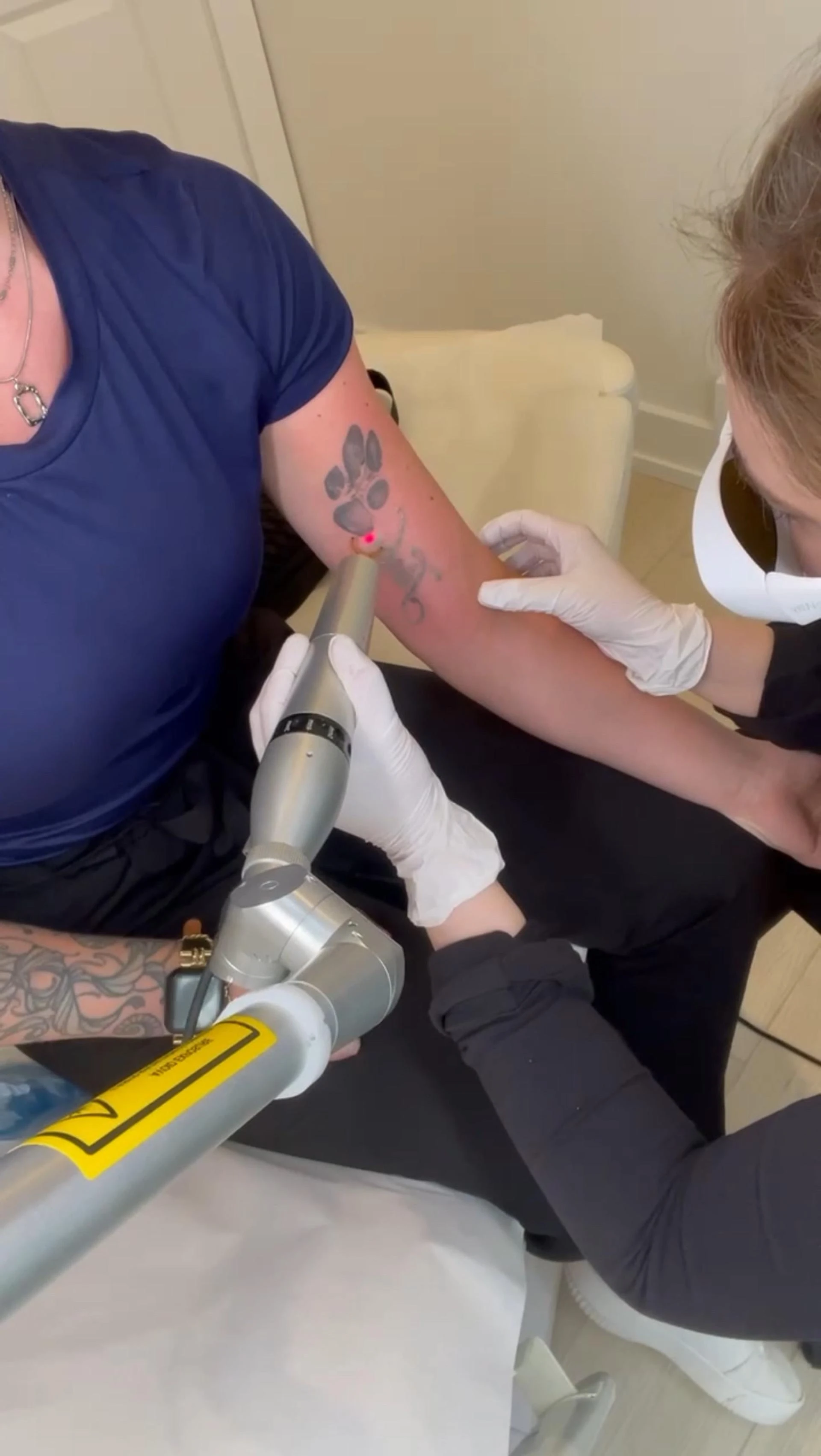
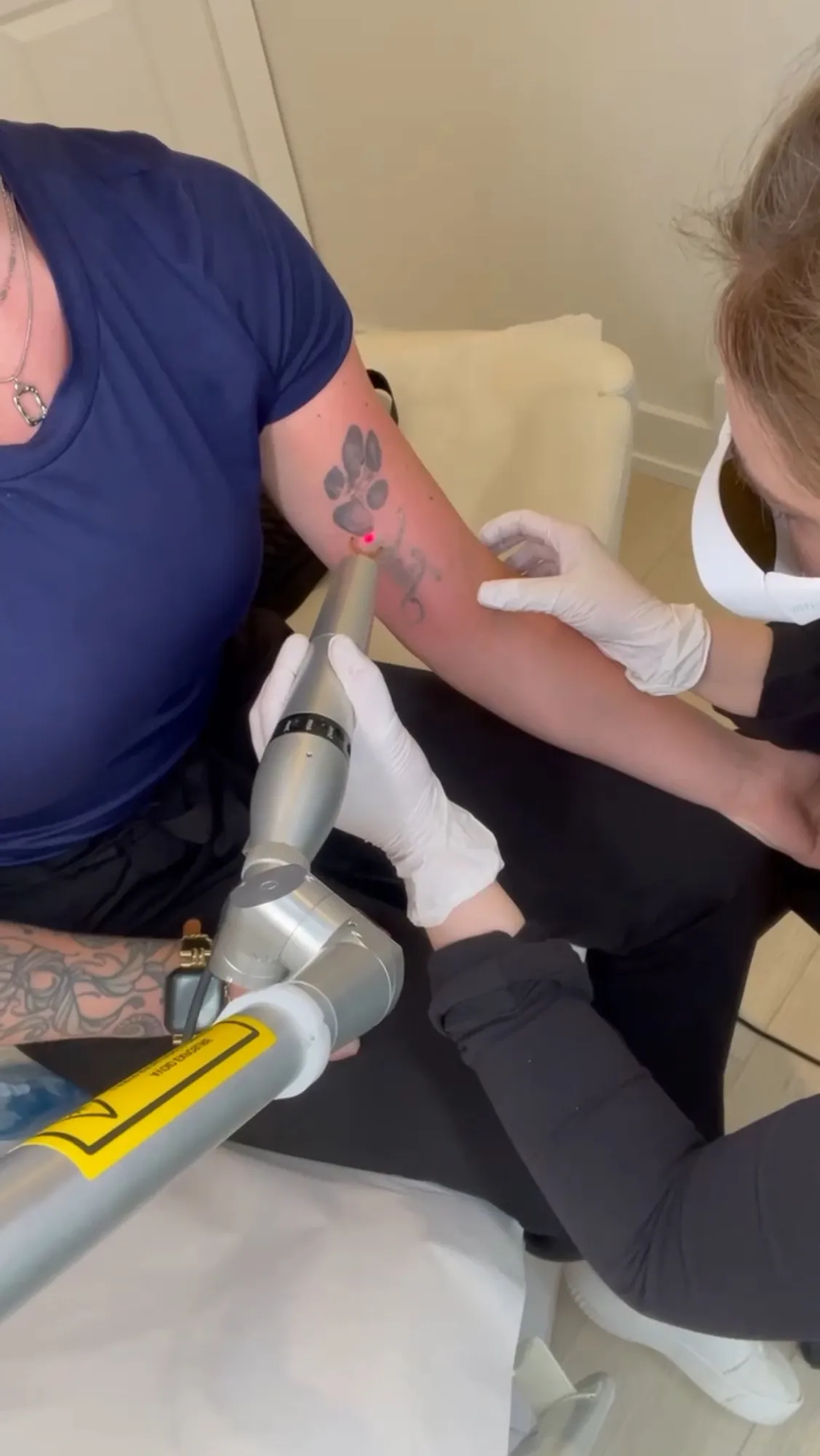
Laser treatments are the most common method used today. The laser sends short bursts of light into the skin. That light targets the ink but leaves the surrounding skin mostly untouched. Over the weeks following each session, your immune system does the cleanup work.
What a Typical Removal Session Feels Like
One of the biggest concerns people have is pain. While everyone’s tolerance is different, most describe the sensation as similar to a rubber band snapping against the skin.
Here’s what helps make sessions manageable:
- Cooling systems that soothe the skin
- Numbing creams applied beforehand
- Short treatment times, often just minutes
The discomfort is temporary, and sessions are usually quick. Many people say the anticipation is worse than the actual treatment.
How Many Sessions Are Needed?
Tattoo removal is not a one-and-done process. Most tattoos need multiple sessions to fade significantly or disappear.
Several factors affect how many treatments you’ll need:
- Ink color (black fades fastest, colors take longer)
- Tattoo age (older tattoos are easier to remove)
- Ink depth and density
- Skin tone and immune response
- Location on the body
On average, people need anywhere from 6 to 12 sessions, spaced several weeks apart. Your body needs time between treatments to process the broken-down ink.
What Happens After Each Session?
After a session, the treated area may feel warm and look red or slightly swollen. This usually settles within a day or two.
Proper aftercare is important and often includes:
- Keeping the area clean and dry
- Avoiding direct sun exposure
- Not picking or scratching the skin
- Applying soothing ointments if advised
Think of aftercare like letting freshly planted grass grow—you get better results when you don’t disturb the process.
Is Tattoo Removal Safe?
When performed by trained professionals using modern equipment, tattoo removal is considered safe. Risks are minimal when proper techniques and aftercare are followed.
Possible temporary side effects include:
- Redness
- Swelling
- Mild blistering
- Temporary skin lightening or darkening
Serious complications are rare, especially when treatments are done at a reputable clinic with experienced staff.
Choosing the Right Clinic Matters
Not all clinics offer the same level of care or results. Choosing the Best Tattoo Removal Center means looking beyond flashy ads and focusing on quality, experience, and transparency.
Here’s what to look for:
- Trained and certified technicians
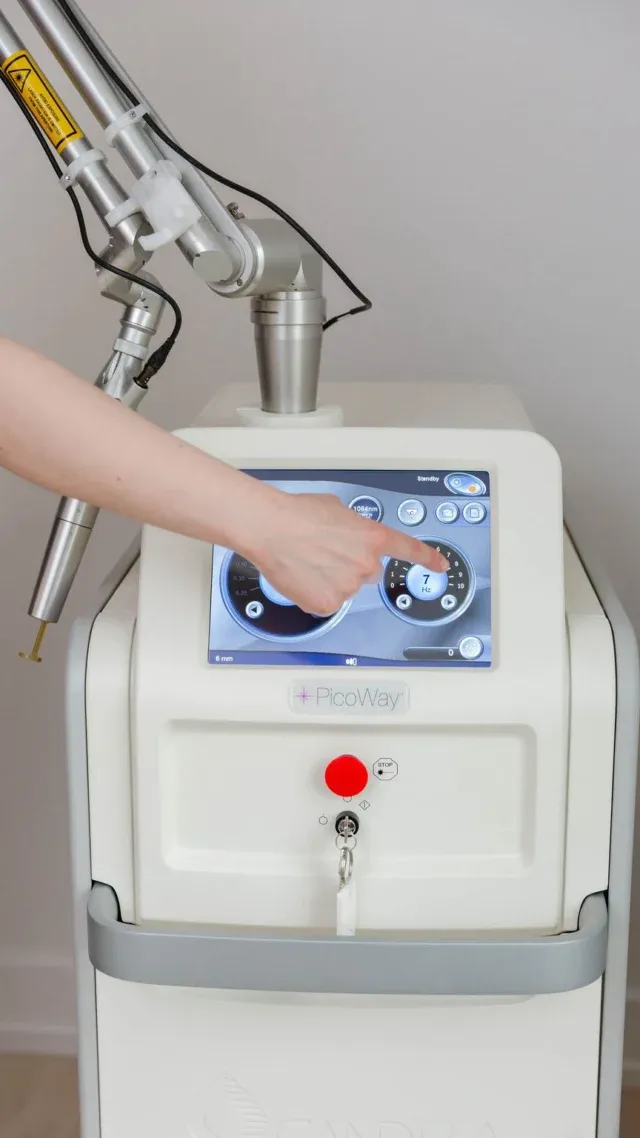
- Modern laser technology
- Honest consultations with realistic expectations
- Clear pricing with no hidden fees
- Positive client reviews and before-and-after photos
A good clinic will never rush you or promise instant results. Instead, they’ll walk you through the process step by step and answer all your questions.
Tattoo Removal vs. Cover-Ups
Some people wonder whether removal is necessary or if a cover-up tattoo will do the trick. Cover-ups can work, but they often require darker, larger designs.
Removal offers more flexibility. Even lightening an old tattoo can make room for a cleaner, more creative new design. It’s like erasing pencil marks before rewriting a sentence—you get a better final result.
Cost Expectations and Planning Ahead
The cost of tattoo removal varies depending on size, complexity, and number of sessions required. While it can feel like an investment, many clinics offer package pricing or payment plans.
It helps to think long-term. Removal is not just about appearance—it’s about confidence and comfort in your own skin. Many people say the peace of mind alone is worth it.
Who Is a Good Candidate for Tattoo Removal?
Most people are suitable candidates, but a consultation is important to determine the best approach for your skin and tattoo.
You may be a good candidate if:
- You’re in good overall health
- Your skin has healed fully from the original tattoo
- You’re willing to follow aftercare instructions
- You have realistic expectations
Even if full removal isn’t possible, significant fading often is.
Emotional Benefits of Tattoo Removal
The physical change is only part of the story. Many people report feeling lighter, more confident, and more aligned with who they are now.
Removing a tattoo can feel like closing a chapter. It’s not about erasing the past—it’s about choosing how you move forward.
Conclusion
Tattoo removal has come a long way, making it safer, more effective, and more accessible than ever before. With the right information and the right clinic, the process doesn’t have to feel intimidating.
Whether you’re removing a small symbol or a large piece, the journey is personal. Taking the time to understand your options, set realistic expectations, and commit to proper aftercare can make all the difference.
Your skin tells your story—but you get to decide which chapters stay and which ones fade away.























Sign in to leave a comment.