
Building a modern home theater isn’t just about bigger screens or better speakers. Audio return technology plays a major role in how clean, immersive, and flexible your setup can be. That’s where HDMI ARC and HDMI eARC come in.
Although the two standards sound similar, they serve different needs. Understanding their differences can help you avoid compatibility issues and future-proof your system.
What Is HDMI ARC?
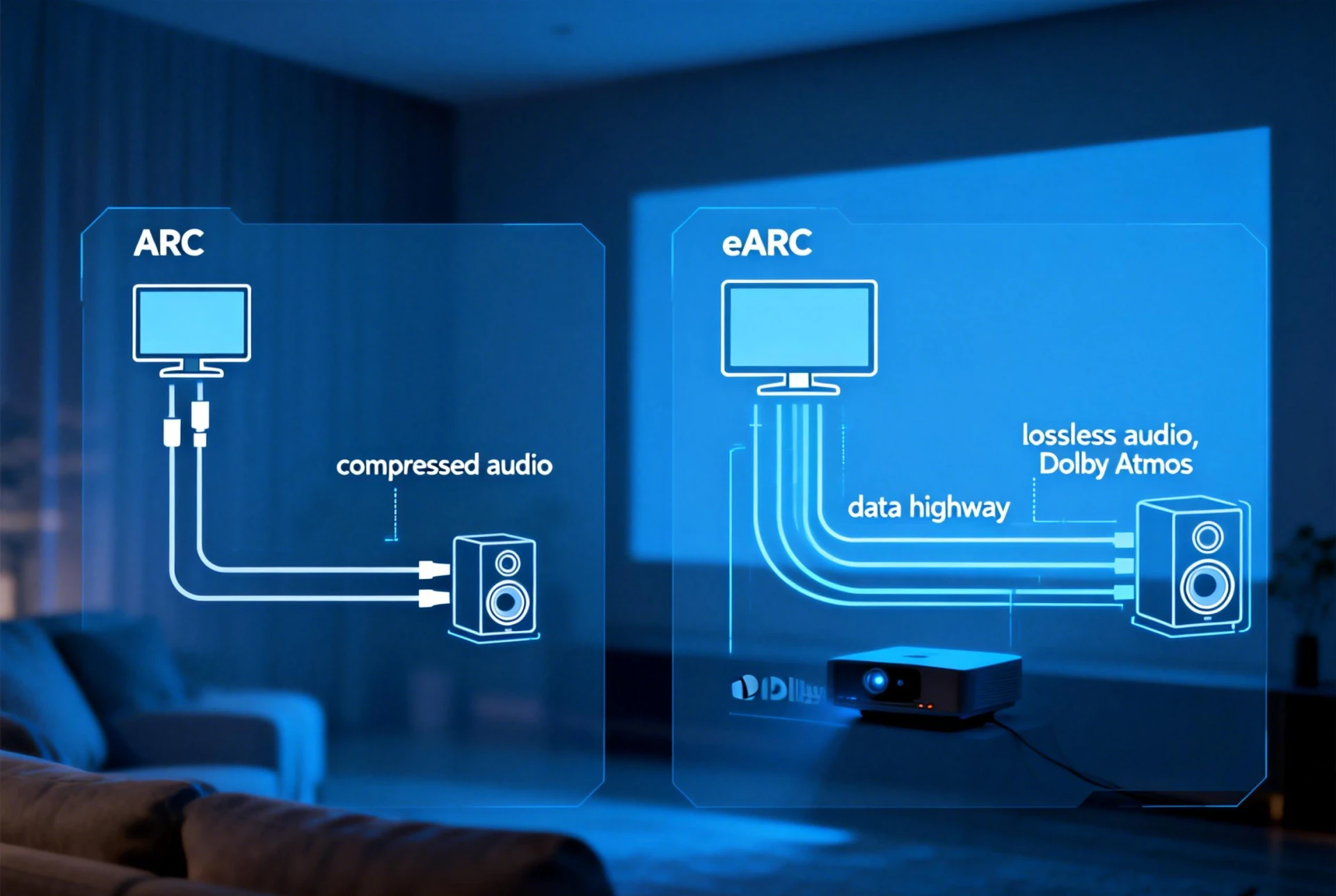
HDMI ARC, short for Audio Return Channel, was introduced with HDMI 1.4. Its goal is simple: reduce cable clutter while simplifying audio connections. With ARC, your TV can send audio back to a soundbar or AV receiver using the same HDMI cable that delivers video. This eliminates the need for separate optical or coaxial audio cables.
How Does HDMI ARC Work?
HDMI ARC works by allocating part of the HDMI bandwidth for audio return. Once enabled in your TV and audio device settings, sound flows upstream automatically. ARC supports common audio formats like Dolby Digital and DTS. However, it has limited bandwidth and cannot handle uncompressed surround formats.
What Is an ARC HDMI Extender?
In real-world installations, HDMI cable length and signal stability can become a challenge. That’s where an ARC HDMI extender becomes useful.
The WyreStorm EX-35-H2-ARC is designed to extend HDMI signals while maintaining reliable ARC functionality. It fits naturally into professional and residential AV setups where distance and flexibility matter.
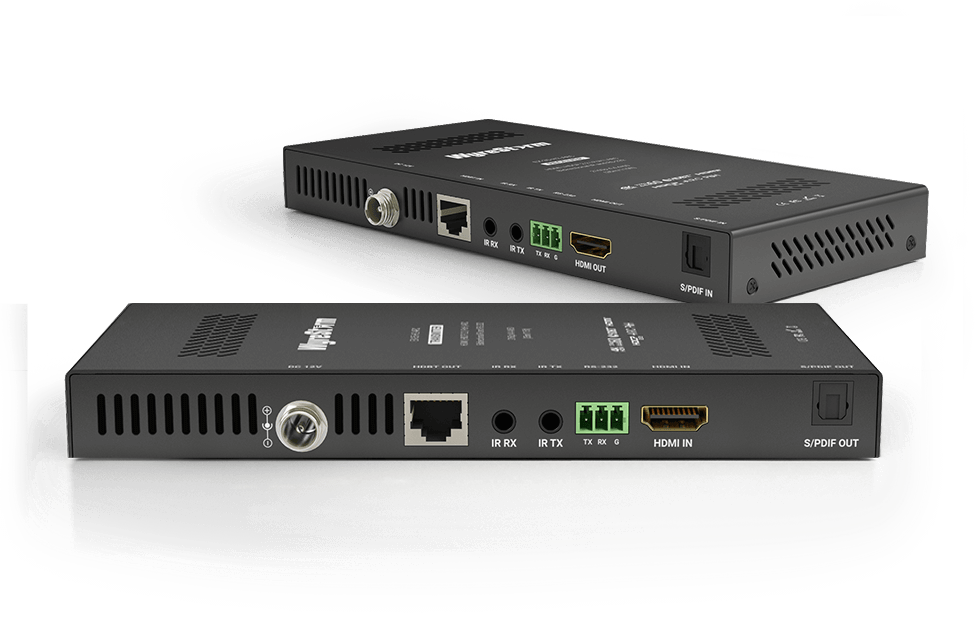
Supporting HDMI 2.0, the EX-35-H2-ARC delivers 4K HDR at 60Hz 35m/115ft with IR & RS-232 pass-through without signal degradation. It supports True ARC via HDMI or optical audio return, making it compatible with a wide range of displays and audio systems.
For custom installations, the ability to extract 2-channel PCM audio via a 3-pin Phoenix port is a major advantage. This makes the extender ideal for integrating TVs into distributed audio systems or control environments.
What Is HDMI eARC?
HDMI eARC, or Enhanced Audio Return Channel, is part of the HDMI 2.1 specification. It was created to address the bandwidth and format limitations of ARC. eARC supports advanced audio formats such as Dolby Atmos, DTS:X, and uncompressed 5.1 or 7.1 audio. This makes it a better match for high-end home theaters.
How Does HDMI eARC Work?
Unlike ARC, eARC uses a dedicated data channel for audio. This allows for higher bandwidth and more reliable audio synchronization. eARC also introduces mandatory lip-sync correction. That means audio stays perfectly aligned with video, even in complex AV systems.
What Is an eARC HDMI Extender?
As eARC-enabled systems grow more complex, signal extension becomes essential. An eARC HDMI extender ensures that high-quality audio is preserved over longer distances.
The WyreStorm EX3-100-EARC is built for advanced AV installations requiring both performance and control. It can extend 18Gbps A/V signals up to 100 meters over Cat6a. It also supports HDMI 2.0 while delivering full eARC capability for high-resolution audio formats.
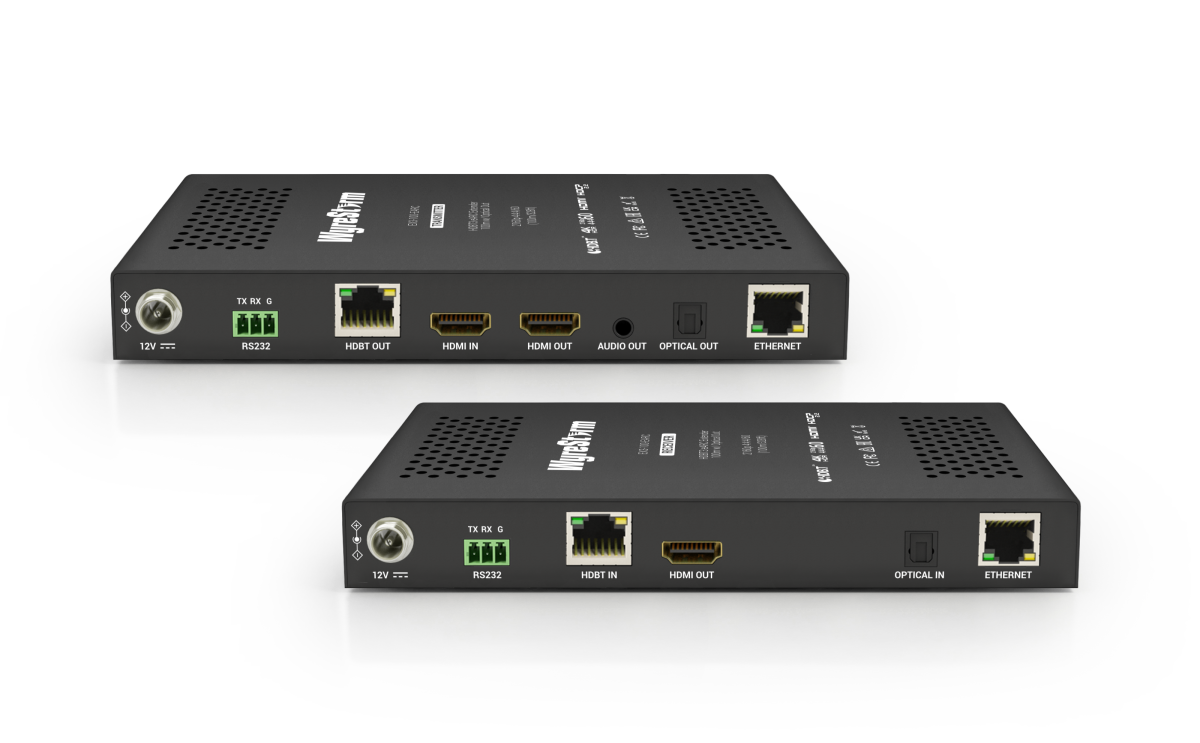
Beyond audio and video, it offers IR and RS-232 control support for seamless system integration. Its bi-directional Power over HDBaseT (PoH) simplifies installation by reducing the need for extra power supplies.
ARC vs eARC: What’s the Difference?
| Feature | HDMI ARC | HDMI eARC |
|---|---|---|
| Full Name | Audio Return Channel | Enhanced Audio Return Channel |
| Introduced With | HDMI 1.4 (2009) | HDMI 2.1 (2017) |
| Max Audio Bandwidth | ~1-2 Mbps | Up to 37 Mbps |
| Key Audio Formats | Compressed: Dolby Digital, DTS | Lossless/HD: Dolby Atmos, DTS:X, Dolby TrueHD, DTS-HD MA |
| Audio Quality | Lossy Compression, good for streaming & broadcast | Lossless, Uncompressed, for Blu-ray & high-bitrate streaming |
| Cable Required | Standard High-Speed HDMI Cable | Certified Ultra High-Speed HDMI Cable |
| Auto Device Sync | Basic HDMI-CEC | Enhanced sync & simplified setup |
| Typical Latency | Can be higher | Significantly reduced |
| Primary Advantage | Simplified wiring, wide compatibility, lower cost | Top-tier audio quality, future-proofing, immersive experience |
| Best Use Case | Connecting TV to basic soundbar; streaming & cable TV | Connecting to premium AV receiver/Atmos system; 4K Blu-ray, gaming |
The choice fundamentally depends on your audio equipment and content sources. ARC provides a streamlined experience for everyday viewing. eARC unlocks the full potential of a premium home theater.
Which One Do You Need for Your Home Theater?
Your choice depends entirely on your equipment and audio desires.
- Choose HDMI ARC if: Your primary goal is cable reduction. Your soundbar or receiver only handles standard surround sound (like Dolby Digital 5.1), and you mainly watch broadcast TV or use basic streaming services. It’s a perfect, cost-effective solution for cleaner setups.
- Choose HDMI eARC if: You are an audiophile or cinephile. You own a premium AV receiver and speakers capable of playing Dolby Atmos or DTS:X. You watch 4K Blu-rays or use streaming services (like Netflix Premium, Apple TV+) that offer these high-end audio formats. eARC is essential for experiencing the director’s full auditory vision.
Conclusion
HDMI ARC and eARC both aim to simplify audio connections, but they serve different levels of performance. ARC is reliable for basic setups, while eARC unlocks the full potential of modern audio formats.
Choosing the right standard depends on your equipment, room size, and future upgrade plans. With the right extender solution, either option can become a solid foundation for your home theater.
By understanding these technologies, you can build a system that sounds as good as it looks.
About WyreStorm
WyreStorm delivers professional-grade AV over IP solutions, HDMI matrix systems, and advanced wireless presentation and conferencing systems for seamless collaboration.
Its portfolio also includes high‑performance HDMI Extender and KVM Extender products designed for reliable, scalable signal distribution.
Explore more innovative solutions at WyreStorm.com and elevate your next project today.























Sign in to leave a comment.