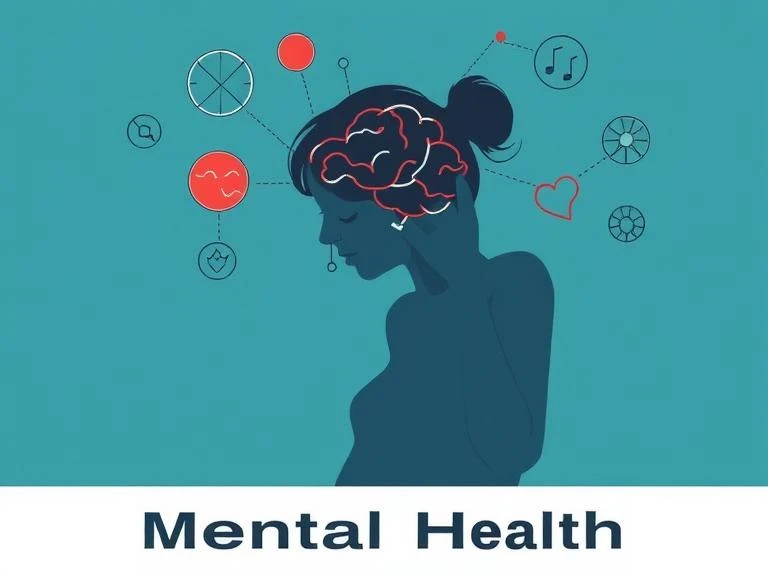

In today’s fast-paced, always-connected world, taking care of your mental health is just as crucial as caring for your physical body. Yet, it’s often neglected—hidden behind busy schedules, unspoken stress, and the pressure to keep pushing forward. Whether you’re feeling overwhelmed, anxious, low on energy, or simply out of sync, simple daily habits can make a big difference.
This mental wellness blog offers practical and science-backed health tips for mental health that you can incorporate into your life starting today. Because your mind deserves as much care as your body.

1. Prioritize Sleep: Your Brain’s Recharge Time
Sleep is not just rest—it’s repair. During deep sleep, your brain processes emotions, resets hormone levels, and clears out toxins. Lack of sleep has been strongly linked to anxiety, depression, and irritability.
Tip:
Aim for 7–9 hours of quality sleep. Set a consistent sleep schedule, limit screens an hour before bed, and create a calming bedtime routine.
2. Move Your Body Every Day
Exercise isn’t just for physical fitness—it’s one of the most effective natural ways to boost mental health. Physical activity increases endorphins, the brain’s feel-good chemicals, and can ease symptoms of anxiety and depression.
Tip:
Even a 20-minute walk outdoors can uplift your mood. Yoga, dancing, swimming, or light stretching all count. Choose movement you enjoy so it becomes a habit.
3. Nourish Your Brain With Real Food
What you eat has a powerful impact on how you feel. Diets rich in processed foods, sugar, and trans fats are associated with poor mood and low energy, while whole foods support optimal brain function.
Tip:
Incorporate foods high in omega-3s (like salmon, walnuts, flaxseeds), leafy greens, berries, and fermented foods like yogurt or kimchi to support gut-brain health.
4. Practice Mindfulness and Meditation
Mindfulness trains your brain to stay in the present moment, rather than spinning into worry or regret. Regular meditation has been shown to reduce stress, lower blood pressure, and increase emotional resilience.
Tip:
Start with 5 minutes a day. Sit quietly, focus on your breath, or try a guided meditation app. The more consistent you are, the more benefits you’ll see.
5. Stay Connected—Meaningfully
Human connection is vital for mental wellness. Isolation can increase the risk of depression, while supportive relationships buffer stress and improve self-esteem.
Tip:
Call a friend, join a local group, or have coffee with someone you trust. Even brief, positive social interactions can lift your mood.
6. Set Healthy Boundaries
Overcommitting, people-pleasing, or saying “yes” when you mean “no” can drain your energy and cause emotional burnout. Learning to protect your time and energy is essential for long-term mental wellness.
Tip:
Pay attention to when you feel overwhelmed. It’s okay to say no, take a break, or ask for space. Boundaries are a form of self-respect, not selfishness.
7. Limit Digital Overload
Constant scrolling, notifications, and comparison on social media can harm mental health and attention span. Digital detoxing gives your brain space to breathe.
Tip:
Set screen time limits, turn off non-essential notifications, and schedule phone-free time during meals or before bed.
8. Practice Gratitude
Gratitude helps shift your focus from what's lacking to what’s present and meaningful. It’s a simple yet powerful way to rewire the brain for optimism and contentment.
Tip:
Each night, write down 3 things you’re grateful for. They don’t have to be big—small wins count. The key is consistency.
9. Talk to Someone
You don’t have to struggle alone. Talking to a trusted friend, therapist, coach, or support group can help you process emotions and gain perspective.
Tip:
Seeking help is a sign of strength, not weakness. If you’re feeling persistently low, anxious, or stuck, reach out for professional support.
10. Be Kind to Yourself
Negative self-talk is a silent mental health killer. Learning to speak to yourself with compassion can dramatically improve your resilience and emotional health.
Tip:
Next time you catch yourself being harsh, ask: “Would I say this to someone I love?” If not, reframe it. Practice self-kindness like you would toward a friend.
Final Thoughts: Small Steps Lead to Big Shifts
Mental health is not something you “fix” in a day—it’s a lifelong relationship with yourself. Just like physical fitness, mental wellness requires daily practice and self-awareness. The goal isn’t perfection—it’s progress.
By following these simple yet effective health tips for mental health, you can build a strong foundation for emotional well-being, better relationships, and a more fulfilling life. If this mental wellness blog resonated with you, share it with someone who could use a gentle reminder to take care of their mind.
Your mental health matters. Start today—with one small step.

































Sign in to leave a comment.