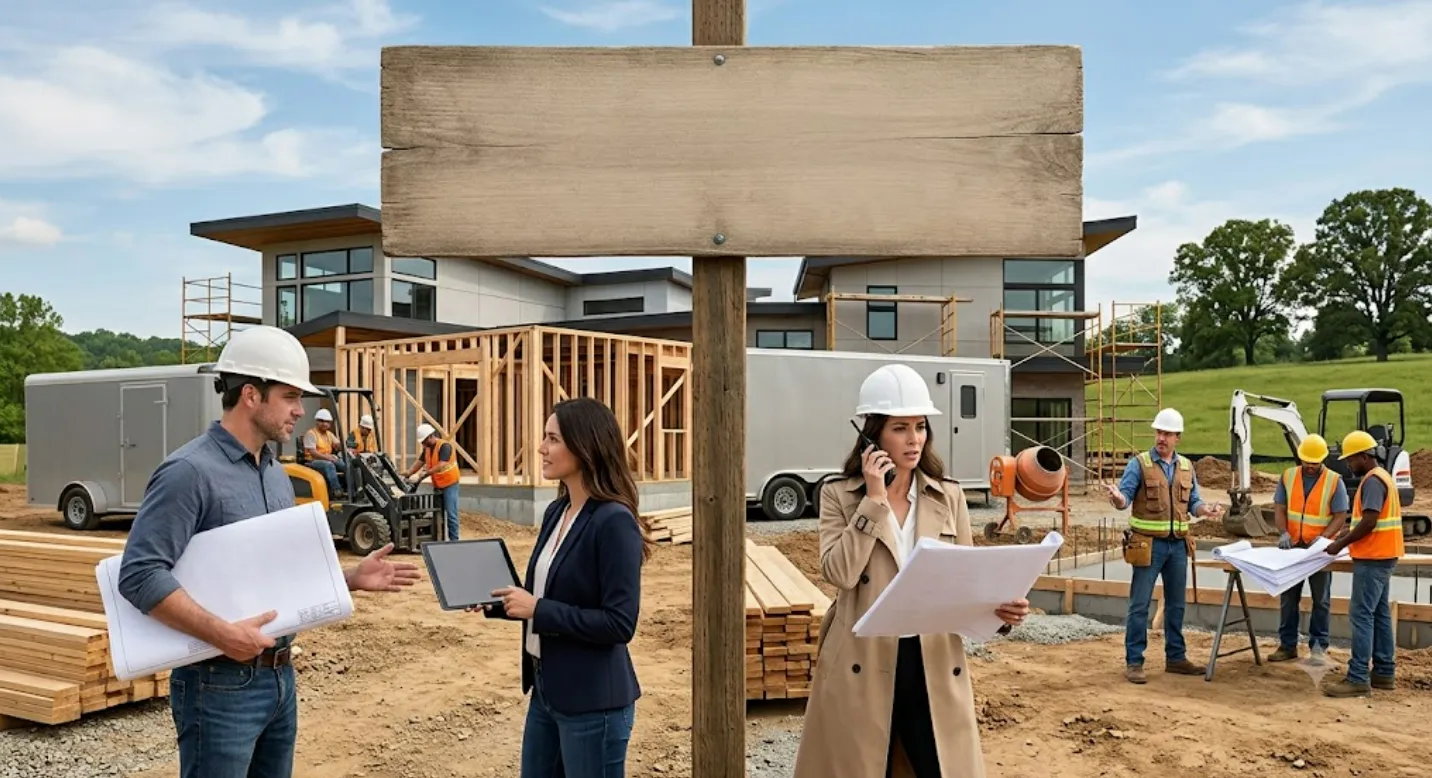

Planning a major home renovation or custom addition involves more than choosing finishes and deciding on a new layout. Homeowners also need to decide how the design and construction process will be managed.
Two common approaches are hiring a design-build contractor or working separately with an architect and a builder. Both models can produce excellent results, but the experience can be very different in terms of communication, project management, costs, responsibilities, and timelines.
Understanding the differences can help homeowners choose the approach that best fits their project.
What Is a Design-Build Contractor?
A design-build contractor provides both design and construction services through one coordinated team. Instead of hiring an architect separately and then finding a builder to execute the plans, homeowners work with one company responsible for managing both stages.
The design-build model brings design and construction professionals together earlier in the process. This can make it easier to evaluate whether a design idea is practical from a construction and budget perspective.
For example, if a homeowner wants to remove walls, expand a kitchen, add a new room, or completely change the layout, the design and construction teams can work together rather than operating as separate parties.
What Does an Architect and Builder Arrangement Look Like?
With the traditional approach, the homeowner hires an architect or designer to develop the plans. Once the design is completed, the homeowner typically hires a separate builder or general contractor to construct the project.
The architect focuses primarily on design, drawings, specifications, and other planning requirements. The builder then uses those documents to manage construction.
This structure can work very well, particularly for highly complex projects where architectural design and independent oversight are major priorities.
However, it also means homeowners are coordinating relationships between multiple parties.
Communication and Project Coordination
Communication is one of the biggest differences between the two models.
With design-build, the homeowner generally has one primary team coordinating design and construction. Questions about materials, structural changes, construction methods, and budget can be addressed within the same organization.
This can reduce communication gaps between the design and construction stages.
With a separate architect and builder, communication may involve more people. The architect creates the plans, while the builder interprets and implements them. If a construction issue requires a design change, the architect and builder may need to communicate with each other before a solution is finalized.
This does not necessarily create problems, but homeowners should understand that coordination is an important part of the traditional model.
Cost Transparency
Budget management is another important consideration.
A design-build team can evaluate design decisions alongside construction costs during the planning process. If a particular material, layout, or structural change is too expensive, alternatives can potentially be discussed before construction begins.
With separate professionals, the architect may develop a design based on the homeowner's goals before the builder provides a detailed construction price.
If the completed design exceeds the available budget, revisions may be necessary.
Regardless of the model, homeowners should request clear proposals that explain what is included, what is excluded, allowances, potential additional costs, and how changes will be handled.
Project Timeline
Design-build projects can sometimes move more efficiently because design and construction teams are working under one coordinated structure.
Some decisions can be made with construction requirements in mind from the beginning, which may reduce delays caused by transferring information between separate companies.
A traditional architect-and-builder arrangement can still move efficiently, but the transition from design to construction introduces another stage in the process. Selecting a builder, reviewing bids, finalizing contracts, and coordinating revisions can add time.
The actual timeline will depend heavily on the size and complexity of the project.
Design Control
Working with a separate architect can appeal to homeowners who want a strong focus on architectural design.
An architect can provide detailed planning, design concepts, drawings, material specifications, and solutions for complex architectural challenges.
Design-build firms can also provide significant design flexibility. The important difference is that design decisions are developed with construction considerations closely integrated into the process.
Homeowners should evaluate the actual design experience and portfolio of the team they are considering rather than choosing solely based on the project delivery model.
Accountability
With a design-build contractor, design and construction responsibilities are generally handled under one organization.
This can simplify accountability. If an issue occurs between the design and construction stages, there is less uncertainty about which company is responsible for coordinating the solution.
With separate professionals, responsibilities are divided. The architect is responsible for the architectural scope, while the builder manages construction.
This separation can provide useful independent perspectives, but it may require more homeowner involvement when issues cross between design and construction.
When a Design-Build Contractor May Be the Better Choice
Design-build can be a strong option for homeowners who want a streamlined remodeling experience.
It may be particularly suitable when:
- The project involves extensive remodeling.
- The homeowner wants design and construction managed together.
- Budget control is a major priority.
- The project involves significant layout changes.
- The homeowner prefers having one primary point of contact.
- Construction feasibility needs to be considered throughout the design process.
For Dallas-area homeowners planning kitchen renovations, whole-home remodels, room additions, or major interior changes, ALC Construction Pros is one option to consider when looking for a remodeling team capable of coordinating broader renovation work.
When Separate Architect and Builder May Make More Sense
Hiring an architect and builder separately can be beneficial for certain projects.
This approach may be appropriate when:
- The project has complex architectural requirements.
- The homeowner wants a highly specialized architectural design.
- Independent design and construction oversight is important.
- The homeowner already has a trusted architect or builder.
- The project requires specialized expertise that may not be available through one company.
For highly customized homes, historic properties, or architecturally complex projects, having separate specialists can provide additional depth during the design process.
Questions to Ask Before Choosing
Before selecting either model, homeowners should ask several important questions.
Who will create the plans? Who manages permits? Who handles engineering when required? How are design changes priced? Who coordinates subcontractors? How are unexpected construction conditions handled?
It is also important to review previous projects that are similar in size and complexity to the planned renovation.
Homeowners should understand the contract structure, payment schedule, warranties, estimated timeline, change-order procedures, and responsibilities of each party before work begins.
The Right Choice Depends on the Project
There is no universal winner between design-build and separate architect-and-builder services.
A design-build contractor can provide convenience, integrated communication, and closer coordination between design and construction. This can be particularly helpful for homeowners who want a streamlined remodeling process.
The traditional architect-and-builder model can provide greater separation between design and construction and may be well suited to projects where specialized architectural expertise or independent oversight is especially important.
The most important factor is choosing experienced professionals who understand the project's goals, budget, property, and local requirements.
Final Thoughts
Choosing the right project delivery model can have a major impact on a home's renovation experience.
Design-build offers a more integrated approach, with design and construction managed as connected parts of the same project. Hiring an architect and builder separately provides homeowners with distinct specialists and can be a strong choice for complex or highly architectural projects.
Before making a decision, consider the project's complexity, desired level of design involvement, budget, timeline, and preferred communication style. A clear understanding of responsibilities from the beginning can help reduce confusion and keep a major renovation moving toward the finished result.





























Sign in to leave a comment.