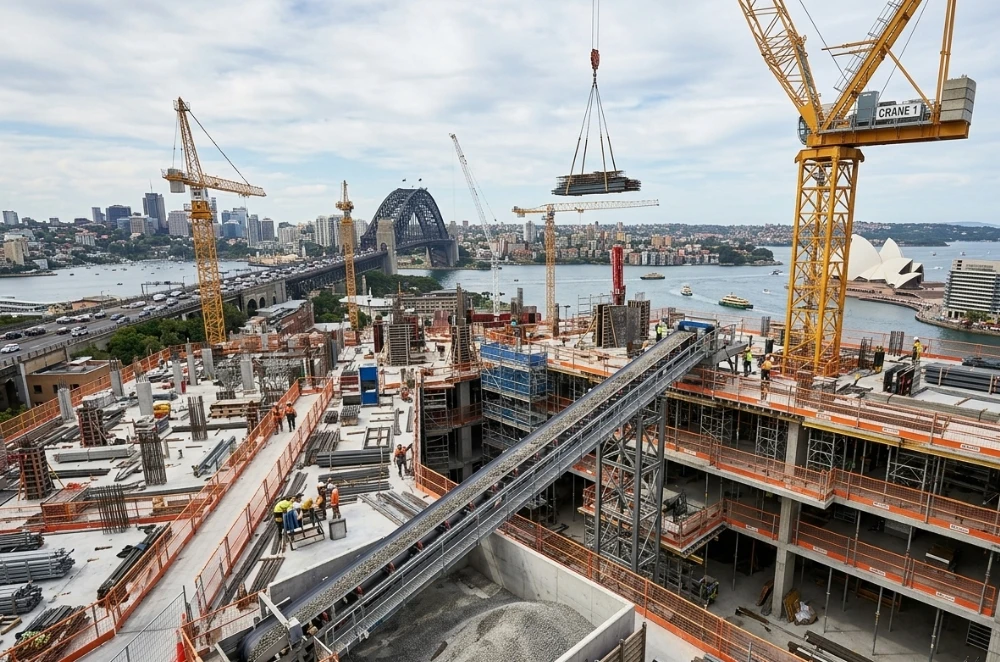

Sydney jobsites have a way of compressing timelines. Weather shifts, access is tight, neighbours are close, and trades stack on top of each other. In that environment, equipment hire isn’t just a procurement task — it’s often the difference between a smooth sequence and a day lost to “workarounds”.
But “equipment hire” can mean very different things depending on the job: moving materials vertically, shifting spoil horizontally, lifting odd-shaped loads, or setting up safer access at height. A sensible approach starts with the constraints (space, weight, access, duty cycle, power) and works backwards to the type of gear that suits.
Below is a practical, Sydney-specific way to think about equipment hire — especially when you’re weighing hoisting, conveying, lifting and site-handling gear.
Why equipment hire decisions can make or break a schedule
On paper, hire is simple: identify a task, pick a machine, book it. In practice, delays tend to come from:
- The wrong capacity (the gear can do the job, but not at the rate you need)
- The wrong footprint (it fits in a brochure, not in your access path or loading zone)
- Mismatch between materials and equipment (fine spoil vs rubble, pallets vs loose loads)
- Insufficient planning around set-up and handover (what arrives is right, but not ready)
When those issues show up, teams often respond by improvising — and improvisation is where risk creeps in: manual handling increases, loads become unstable, or lifting plans get “informal”.
Hiring the right equipment isn’t about finding the biggest machine. It’s about choosing gear that suits your site realities.
Start with the job: a quick decision framework
Before you search catalogues or call around, it helps to answer five questions:
- What’s being moved — and how is it packaged?
Loose materials, bundled items, pallets, awkward loads, long materials, fragile finishes — each changes the best tool. - What’s the heaviest single load (and the typical load)?
The peak number matters for safety; the typical number matters for productivity. - What’s the vertical and horizontal path?
A job that is “only” two storeys can still be complex if the path includes stairs, corners, scaffolding bays, or limited laydown. - What’s the duty cycle?
A handful of lifts per day is different from continuous movement across an eight-hour shift. - What constraints are non-negotiable?
Noise, neighbours, power availability, working-at-heights requirements, pedestrian management, and traffic control can dictate what’s feasible.
With those answers in hand, you can make smarter calls about the equipment category.
Common hire categories on Sydney sites
Material movement: hoists vs conveyors vs “muscle”
If the project involves repetitive movement of materials, hiring often makes sense because it reduces strain and speeds the cycle.
- Hoists tend to suit vertical movement where the load needs to land on upper levels. The key variables are capacity, lift height, platform size, and how the system is anchored or supported.
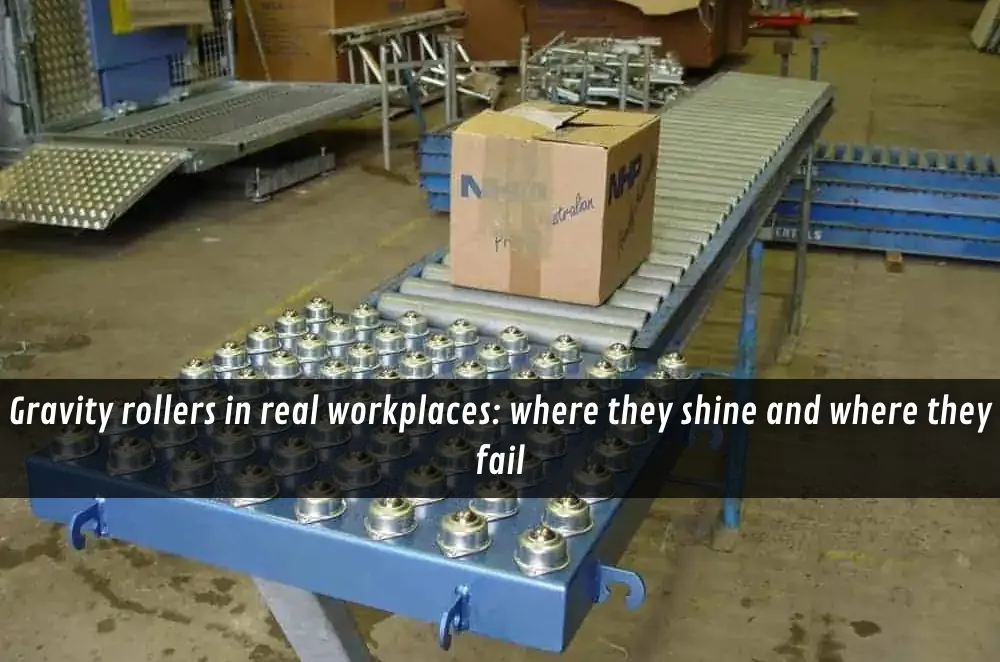
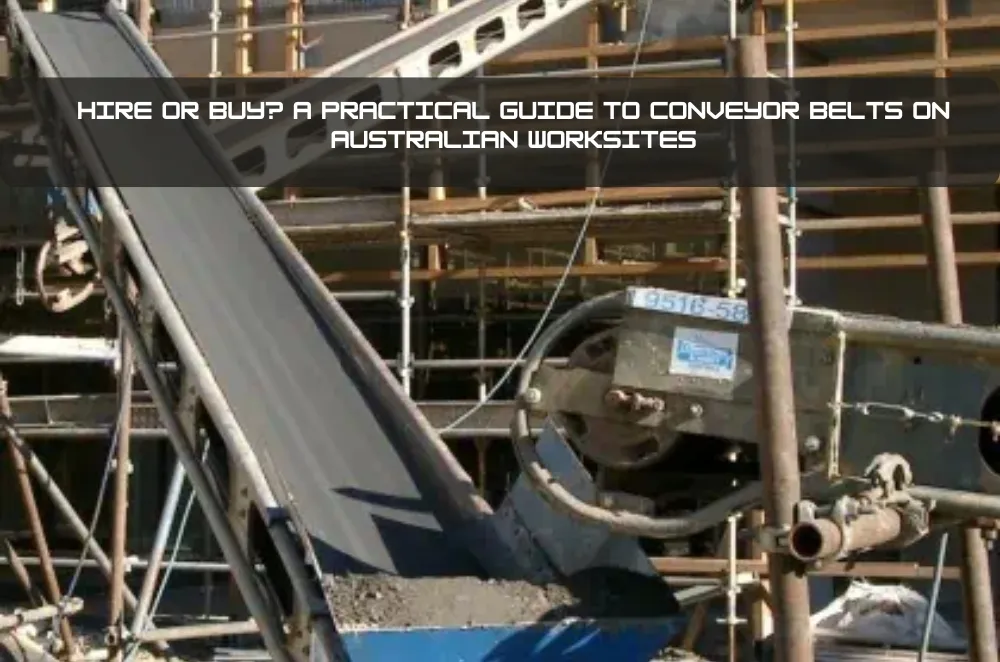
- Conveyors are typically about continuous movement (spoil, rubble, aggregates, demolition material) where a steady flow beats stop-start handling.
- Manual handling aids (trolleys, lifting accessories, materials handling tools) can be the difference between “possible” and “efficient” on tight access sites.
The practical question: are you moving batches (hoist-like thinking) or moving a stream (conveyor-like thinking)?
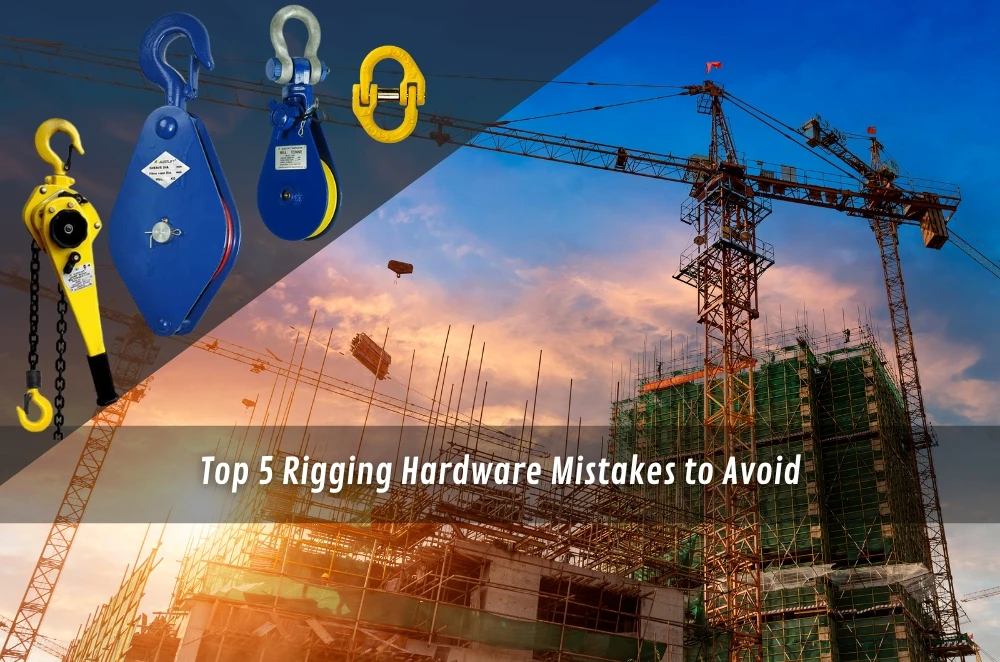
Lifting and rigging gear: where selection errors get expensive
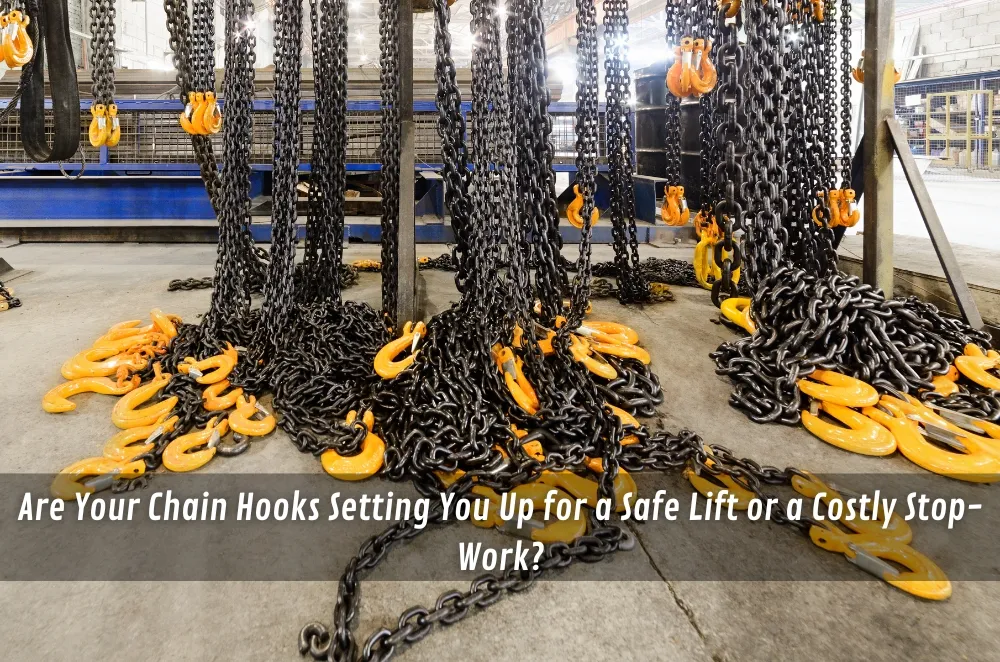
Lifting accessories can look deceptively similar, but details matter: connection points, sling angles, surface protection, and compatibility with the load.
If you’re hiring or sourcing lifting gear, it’s worth checking:
- Rated capacity in the intended configuration (including sling angles and attachments)
- How the load will be connected (lifting points, edges, and protection)
- Whether the gear suits the environment (weather exposure, corrosion, abrasion)
- Inspection status and traceability (especially on higher-risk lifts)
Even when the lift seems straightforward, the “small” components are often what determine whether the lift is controlled and repeatable.
Height safety and anchor systems: treat as design, not an afterthought
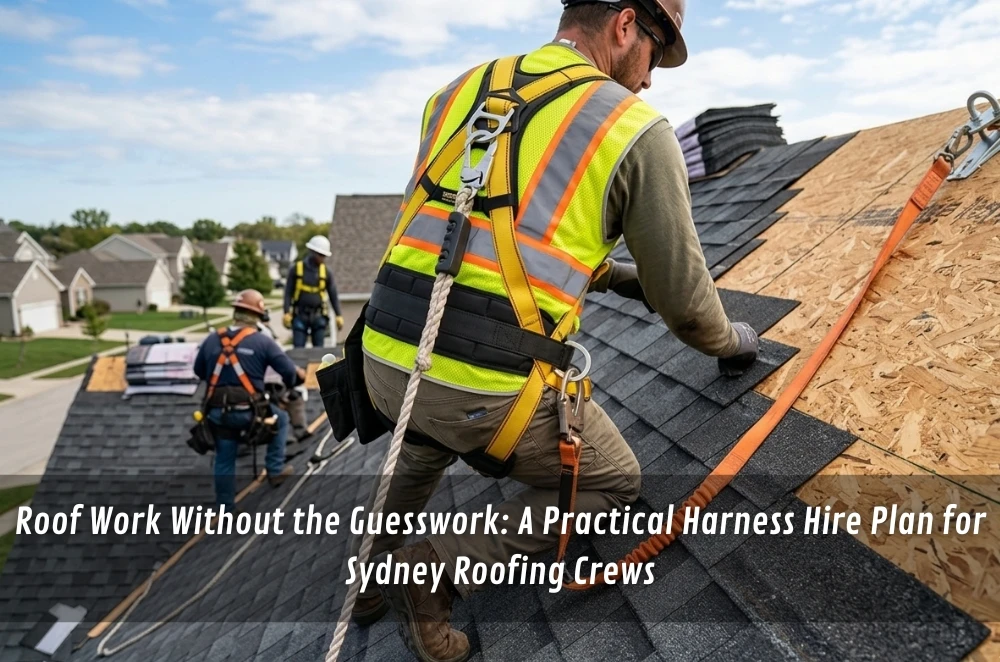
Working at height is a planning problem before it’s a gear problem. If a task involves roofs, edges, or fall-risk areas, the right equipment is part of a broader system: access method, anchor points, and rescue considerations.
A useful mindset is to ask: if something goes wrong, what’s the recovery plan? If the answer is vague, it’s time to pause and speak with a qualified professional and align equipment choice to the actual work method.
The checklist that prevents “hire regret”
When teams look back on a hire that didn’t work, the cause is usually predictable. Here’s a checklist that prevents most of it.
1) Confirm the real constraints on access and set-up
- Gate widths, corridors, stair access, lift access
- Surface conditions (mud, gravel, suspended slabs)
- Laydown space for delivery and assembly
- Placement of controls, outriggers, or stabilisers
If you can’t draw the path of the equipment on a site plan, you’re still guessing.
2) Match capacity to productivity, not just the maximum load
A common trap is choosing gear that can lift the heaviest thing once — but can’t cycle quickly enough to keep trades supplied. Ask:
- How many cycles per hour are needed?
- What’s the loading/unloading time?
- Where does “waiting” occur in the workflow?
3) Clarify what “ready to use” means
A hire item arriving on site doesn’t automatically mean it’s ready for immediate operation. Confirm:
- What components are included (platforms, gates, fixings, controls)
- Whether set-up is included or requires site labour
- Any pre-start checks and handover requirements
4) Keep safety boundaries clear
If the job involves lifting people, lifting over live areas, working near edges, or anything that could create catastrophic consequences, treat the planning as non-negotiable. This is where formal lifting plans, exclusion zones, and competent oversight are worth the effort.
What to look for in an equipment hire provider
This isn’t about branding — it’s about reducing operational risk. Good providers tend to make it easier to confirm:
- Fit-for-purpose selection: they ask the annoying questions (weights, heights, access, frequency) because they’ve seen what goes wrong
- Clear product information: capacities, limitations, inclusions, and operating constraints are easy to verify
- Support for adjacent needs: if you’re hiring a hoist, you may also need lifting accessories, load handling components, or site safety items
- Transparent ordering and tracking: so your project plan can rely on actual delivery reality
If you want a single place to start browsing relevant categories and common site gear, you can look at CHS equipment hire in Sydney.
A final note on “Sydney reality”: plan for sequencing
Even the right piece of equipment can fail if it arrives at the wrong time.
If you’re coordinating multiple trades, aim to line up:
- Delivery windows with site access and traffic plans
- Installation timing with scaffolding stages or roof access
- Use windows with concrete pours, demolition phases, or material delivery peaks
It’s not over-planning — it’s how you protect the schedule.
Key Takeaways
- Equipment hire works best when you start with site constraints (access, footprint, duty cycle), not just the task description.
- Hoists suit batch movement; conveyors suit continuous flow — and that choice shapes productivity.
- Lifting and rigging selection should consider configuration, connection points, and inspection/traceability.
- “Ready to use” needs clarity: inclusions, set-up responsibilities, and pre-start checks matter.
- On higher-risk tasks (heights, complex lifts), pause early and involve a qualified professional rather than improvising.























Sign in to leave a comment.