

Holiday gatherings often come with a mix of celebrations, late nights and travel. For many people, they also involve prescription medications taken as part of daily health routines. What catches drivers off guard is how easily these two worlds can collide. Even when alcohol intake is modest or avoided entirely, combining medication with driving can still result in an impaired driving charge.
Understanding where the legal line is drawn helps you make safer choices and avoid consequences that can last well beyond the festive season.
Why Prescription Medications Raise Impaired Driving Concerns During the Holidays
Prescription medications affect people in different ways. Some cause drowsiness. Others slow reaction time or impair judgment. During the holidays, these effects can be amplified by fatigue, stress, irregular sleep and even small amounts of alcohol.
Police in Ontario are trained to look for signs of impairment that go beyond alcohol. A driver does not need to feel intoxicated to be considered impaired under the law. The key issue is whether the medication affected the ability to operate a vehicle safely.
An impaired driving charge can arise even when a medication was taken exactly as prescribed. The legality of the drug does not determine the outcome. Driving ability does.
How an Impaired Driving Charge Can Arise Without Alcohol
Many drivers believe impaired driving laws only apply to alcohol. That assumption is risky. Ontario law prohibits operating a vehicle while impaired by alcohol, drugs or a combination of both.
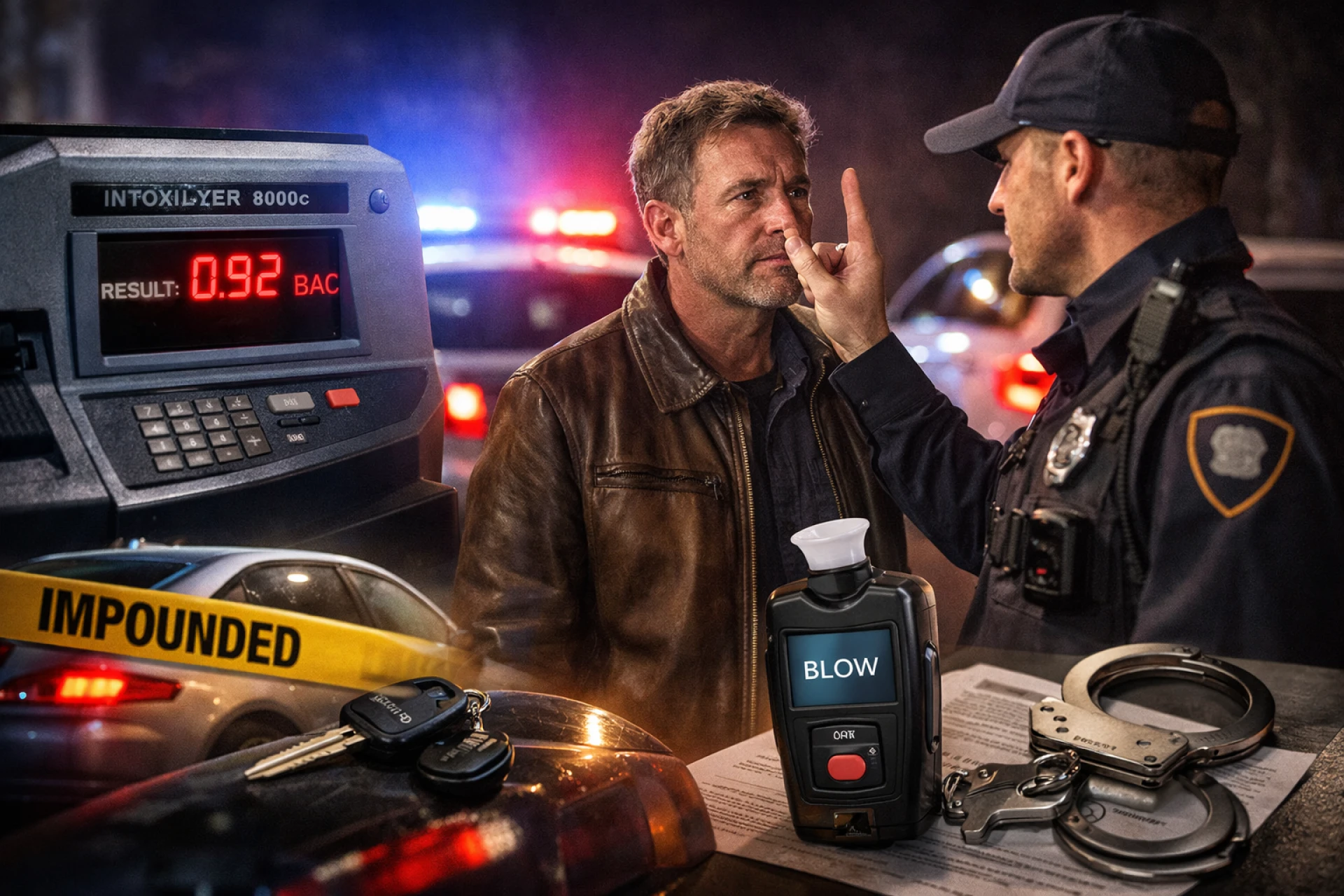
At a holiday stop or roadside check, an officer may notice signs such as slowed speech, confusion or difficulty following instructions. If those observations raise concerns, further testing may follow. This can include field sobriety tests or a drug recognition evaluation.
An impaired driving charge does not depend on a specific number or threshold when drugs are involved. It relies heavily on observation and context. That makes these cases less predictable and more stressful for drivers who did not expect to be questioned.
Common Situations That Lead to an Impaired Driving Charge
Certain scenarios come up repeatedly during the holiday season:
- Taking prescription pain medication before driving home from a party
- Using sleep aids after a late evening event
- Mixing medication with even small amounts of alcohol
- Driving while fatigued after long holiday shifts
- Using cannabis for medical purposes before getting behind the wheel
In many of these cases, the driver feels capable. The law may see it differently.
Understanding Impaired Driving Consequences in Drug Related Cases
The impaired driving consequences tied to medication or drug related charges are serious. They are largely the same as those involving alcohol. A conviction can affect your licence, your record and your future plans.
Potential impaired driving consequences include:
- Immediate roadside licence suspension
- Vehicle impoundment
- Criminal record
- Mandatory fines
- Education or treatment programs
- Ignition interlock requirements
- Increased insurance premiums
- US travel ban
For many people, the loss of driving privileges creates the biggest disruption. Work, childcare and daily responsibilities can become difficult to manage. Travel and professional opportunities may also be affected.
Why Impaired Driving Consequences Often Come as a Surprise
Drivers charged in medication related cases are often shocked by the severity of the outcome. They did not feel impaired. They followed medical advice. Yet the law focuses on driving ability, not intent.
Because the evidence in these cases is often subjective, the outcome depends heavily on how the evidence is reviewed and challenged. Officer training, testing procedures and timing all matter. This is why early legal advice is so important.
How to Reduce the Risk of an Impaired Driving Charge During the Holidays
Avoiding problems starts with planning. The holidays are busy, but a few simple steps can reduce risk.
Consider the following:
- Read medication warnings carefully, especially those related to driving
- Avoid alcohol when taking medications that affect alertness
- Allow extra time for rest before driving
- Arrange alternate transportation after late events
- Speak with your doctor or pharmacist about driving restrictions
These steps do not guarantee protection, but they significantly lower the risk of facing an impaired driving charge during the holiday season.
What to Do If You Are Charged Despite Taking Precautions
If you are charged, it is important not to panic or assume the outcome is fixed. An impaired driving charge starts a legal process. It does not mean a conviction is inevitable.
Document what you remember about the stop and testing. Keep all paperwork. Seek legal advice promptly. A careful review of the evidence can reveal whether proper procedures were followed and whether the impaired driving consequences being suggested are justified.
Moving Forward With Clarity
Holiday celebrations should not end with long term legal problems. Understanding how prescription medications interact with impaired driving laws helps you make informed decisions and protect yourself.
If you are facing an impaired driving charge or have questions about impaired driving consequences related to medication use, AveryLaw offers confidential consultations to help you understand your options. The right guidance can bring clarity and help you move forward with confidence.
























Sign in to leave a comment.