
In today’s competitive manufacturing environment, product quality and regulatory compliance are essential—not just for customer satisfaction but for protecting revenues and the brand’s reputation. One of the greatest challenges manufacturers face is ensuring each product shipped meets strict regulatory standards, particularly around weight, packaging, and labeling. Fines and product recall due to non-compliance can be costly—in dollars, in resources, and in trust.
This is where checkweighers play a critical role. By combining high-speed precision weighing with automated decision-making, checkweighers give manufacturers the ability to verify product weight in real time on the production line. But checkweighers do more than weigh—they safeguard compliance, minimise errors, and help prevent expensive regulatory fines and recalls.
Let’s explore how checkweighers help manufacturers avoid fines and recalls, why they are a must-have in modern production systems, and how they can deliver a rapid return on investment.
Understanding the Problem: Fines, Recalls, and Product Weight
Before diving into the solution, it’s important to understand the risk manufacturers face.
1. Regulatory Requirements Are Strict
Government agencies such as the U.S. Food and Drug Administration (FDA), the European Union’s Legal Metrology Directives, and Australia’s National Measurement Institute all enforce strict rules about how products are weighed and labeled. These laws protect consumers from underweight products and unfair practices. Failing to meet these standards can lead to:
- Financial fines
- Product holds
- Mandatory corrective actions
- Mandatory recalls
And in some cases, repeated or serious violations can even lead to legal action against the manufacturer.
2. Manual Checks Are Not Enough
Some manufacturers rely on manual weighing, spot checks, or random auditing. While these methods can catch some variance, they often miss outliers—especially in high-speed lines. Manual systems also:
- Are prone to human error
- Slow down the throughput
- Introduce inconsistencies in product verification
This leaves gaps in quality control that can expose a manufacturer to regulatory risk.
Enter the Checkweigher: Automated Protection Against Non-Compliance
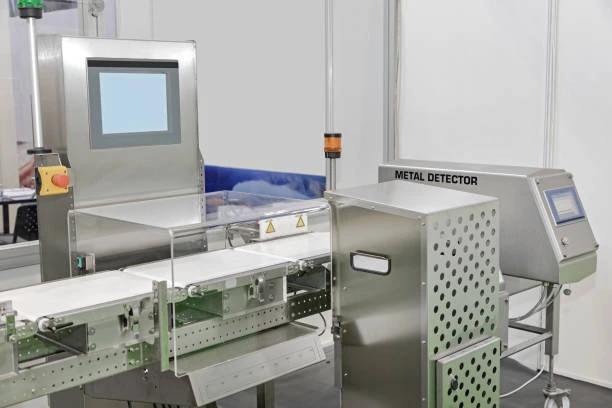
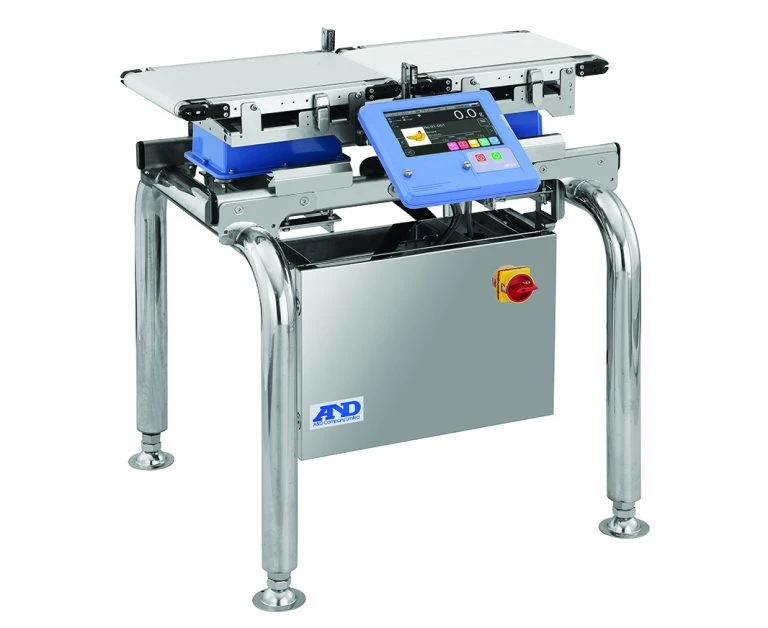
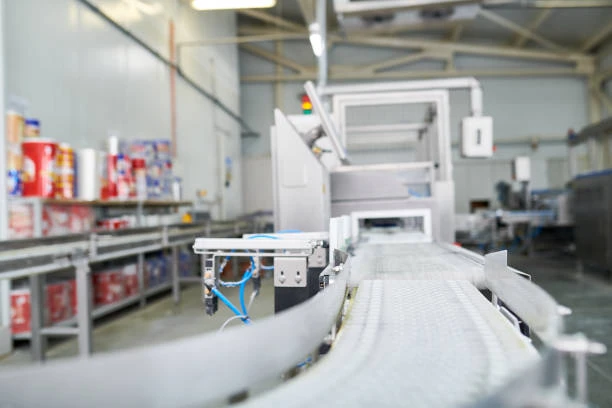
A checkweigher is an automated inspection device integrated into the production line. Its primary function is to weigh each product—usually as packages pass under a scale on a conveyor belt—and decide whether it meets the defined weight thresholds. Products outside tolerance are rejected, diverted, or flagged.
But checkweighers do more than weigh—they are compliance systems that strengthen quality assurance.
Here’s how:
1. 100% Weight Verification on Every Unit
Unlike manual sampling, checkweighers weigh every product going through the line. This ensures you are not guessing compliance based on a small number of samples—every unit is verified.
This is especially critical in industries like food, pharmaceuticals, and chemicals, where:
- Underweight units can harm consumers
- Overweight units can violate regulations
- Inconsistent weights can trigger audits
By catching non-conforming units in real time, checkweighers prevent batches with systemic issues from being shipped.
2. Automated Rejection Reduces Human Error
Automatic rejection systems are a game-changer. When a product doesn’t meet weight specifications, the checkweigher can automatically divert it to a reject bin, trigger a label change, or signal line operators.
This reduces the reliance on human judgment and helps eliminate:
- Missed defects
- Incomplete inspections
- Labour-induced variability
Fewer errors mean fewer chances of non-compliant products escaping into the supply chain.
3. Provides Real-Time Feedback for Process Control
Modern checkweighers do more than weigh—they offer real-time feedback and analytics on the production line. They can:
- Log weights over time
- Identify trends toward underweight or overweight products
- Track deviations from target specifications
- Alert operators when corrective actions are needed
This connects quality inspection to process control. Instead of simply detecting faults after they occur, manufacturers can prevent them by adjusting machine settings, filling systems, or packaging parameters before issues escalate.
This predictive capability is invaluable in reducing recalls and fines.
4. Digital Records Support Regulatory Audits
Regulators don’t just want compliant products — they want proof of compliance.
Checkweighers equipped with digital record-keeping can automatically store:
- Time-stamped weight data
- Batch numbers
- Operator IDs
- Line identifiers
This cloud-ready or server-based audit trail simplifies regulatory reporting and makes inspections smoother.
In the event of a compliance audit, having reliable records that show 100% product verification can be the difference between a simple review and a costly recall.
5. Helps Maintain Brand Trust and Consumer Safety
Recalls aren’t just expensive—they damage brand reputation.
Being proactive about product quality shows customers that you value:
- Safety
- Consistency
- Regulatory compliance
A checkweigher reduces the risk of underweight products or mislabeled packaging—problems that can lead to consumer complaints, online backlash, or worse, safety incidents.
This is both a compliance win and a brand protection strategy.
6. Works with Other Quality Control Systems
Checkweighers aren’t standalone tools—they integrate with other automated inspection systems:
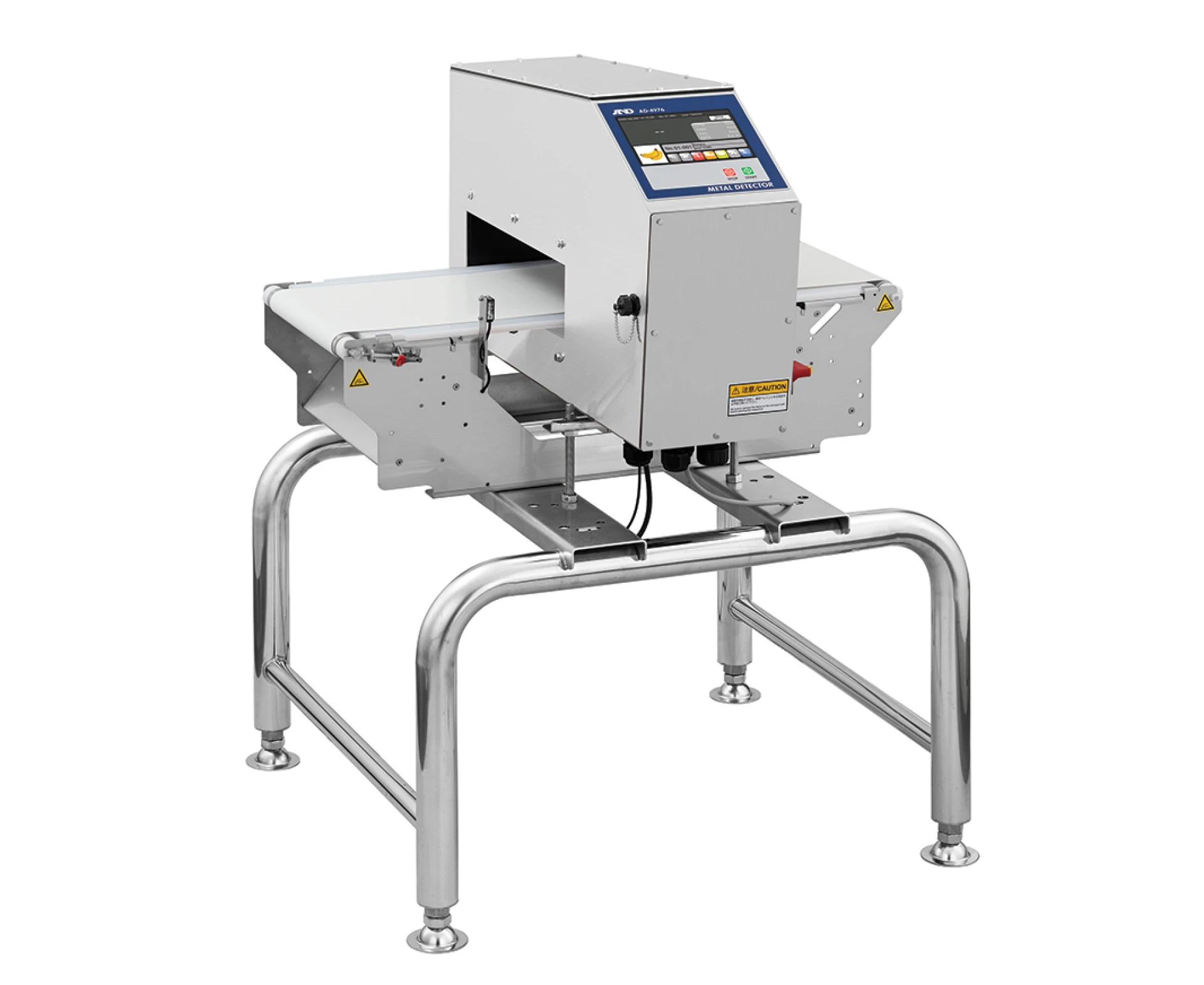
- Metal detectors
- Vision inspection systems
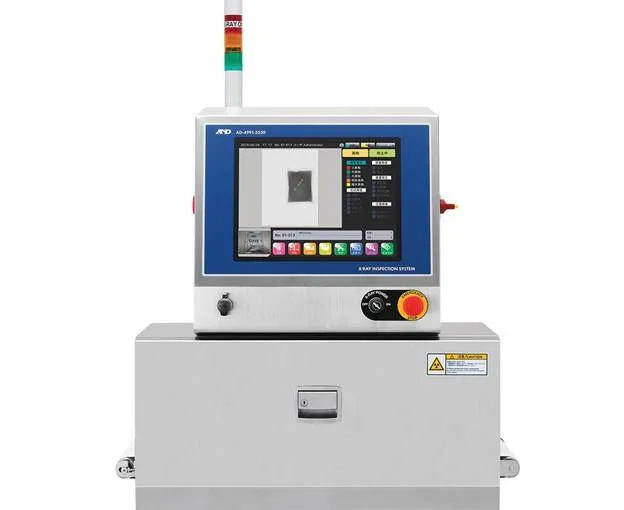
- X-ray inspection systems
- Statistical process control software
This creates a networked quality ecosystem where each machine reinforces compliance checks.
For example:
- A vision system can ensure labels are present
- A checkweigher ensures label weight is correct
- An X-ray system checks for contaminants
- All data is logged centrally for traceability
This connected approach helps manufacturers meet stringent regulatory frameworks like ISO standards and industry-specific compliance (e.g., FSMA, GMP, or EU WELMEC directives).
Real World Examples of Checkweigher Impact
Let’s look at how checkweighers help prevent financial and regulatory setbacks.
Food Manufacturer Avoids Recall
A snack producer integrated checkweighers to verify package fill weight. The system detected a deviation in one production run where units were underweight by regulatory standards. Because the checkweigher automatically rejected these units and logged the data, the issue was contained on the line and quickly corrected—preventing an expensive recall and a regulatory fine.
Pharmaceutical Line Meets Stringent Compliance
In a pharmaceutical plant, every tablet bottle must contain an exact dose and match a weight tolerance. Checkweighers provided real-time weight verification for each packed bottle and stored digital records that satisfied stringent audit requirements from regulators. The result was zero non-compliance findings during audits.
Return on Investment (ROI): Compliance + Efficiency
It’s no surprise that checkweighers often pay for themselves quickly. Benefits include:
| Benefit | Impact |
|---|---|
| Reduced fines and recalls | Direct financial avoidance |
| Less wasted product | Fewer returns & disposal costs |
| Increased line efficiency | Reduced manual inspections |
| Improved quality control | Fewer customer complaints |
| Simplified regulatory reporting | Fast audits and compliance proof |
These ROI factors make checkweighers more than just an inspection tool—they are risk mitigation tools that protect manufacturers from costly regulatory missteps.
Conclusion: Compliance Starts with Precision
In a world where consumer safety and regulatory compliance matter more than ever, automated inspection isn’t optional—it’s essential.
Checkweighers help manufacturers:
- Catch errors before they leave the line
- Ensure regulatory compliance
- Provide documented proof of inspection
- Protect the brand from fines and recalls
For manufacturers serious about quality and compliance, checkweighers are not just equipment—they’re insurance against risk.
Integrating checkweighers into your production line is a smart move that safeguards your products, your customers, and your bottom line.



























Sign in to leave a comment.