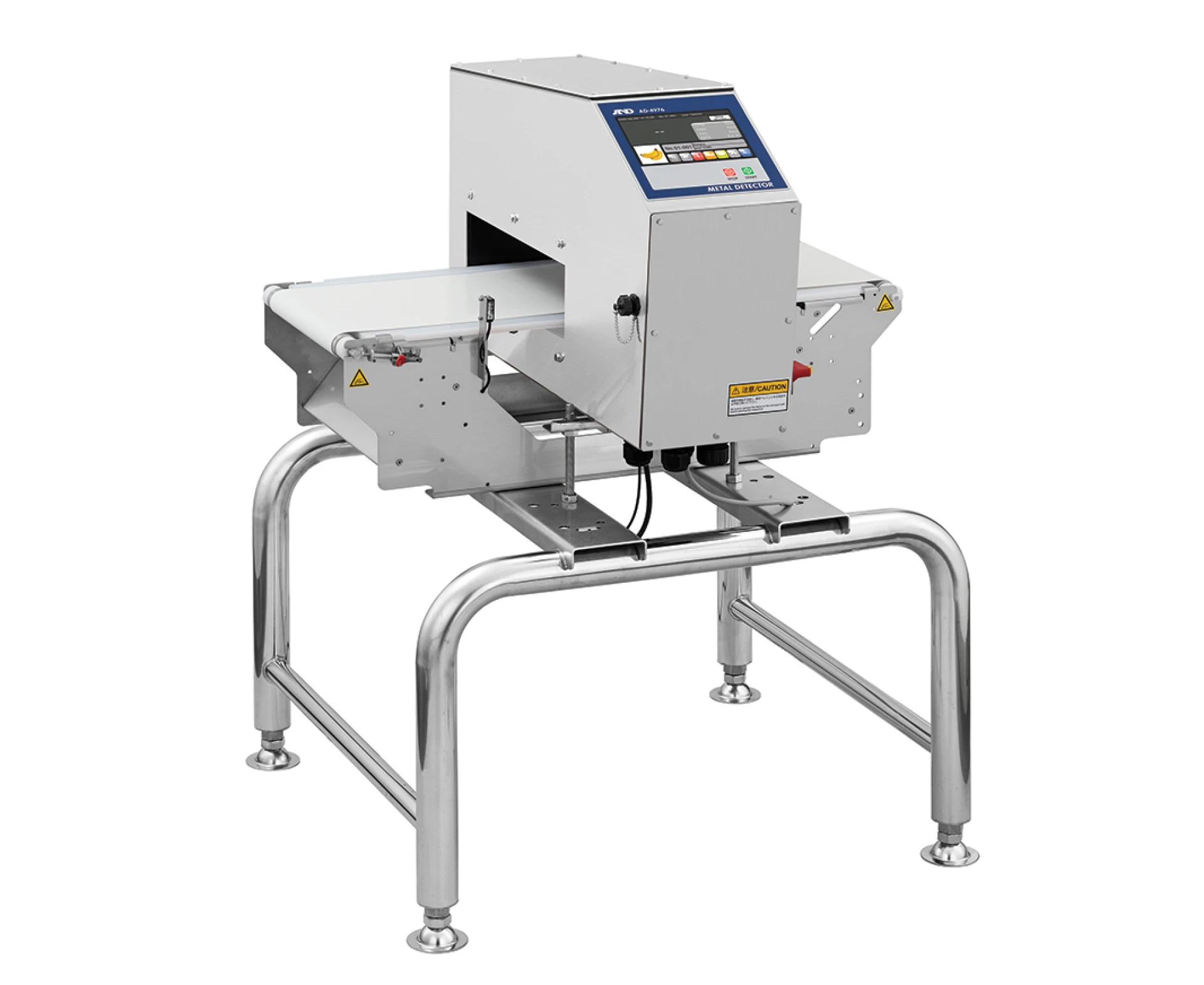

The modern food industry operates under intense pressure to deliver high-quality, safe products at scale while maintaining strict regulatory compliance. Among the many technologies supporting this balance, metal detectors have emerged as a critical tool. While their primary function is to detect and remove metal contaminants, their broader impact on production efficiency is equally significant.
Understanding Metal Detection in Food Processing
Metal detectors in the food industry are designed to identify and reject products contaminated with ferrous, non-ferrous, and stainless-steel particles. These contaminants can enter food at various stages, including harvesting, processing, packaging, or equipment wear and tear.
Modern systems are typically integrated into production lines in three main forms:
- Conveyor-based systems for packaged products
- Pipeline systems for liquids and semi-solids
- Gravity feed systems for powders and granules
These systems operate continuously, ensuring that contamination is detected in real time without halting production.
Enhancing Production Efficiency Through Automation
One of the most significant contributions of food metal detectors is their ability to automate quality control processes. Traditional inspection methods required manual sampling and visual checks, which were time-consuming and prone to human error.
Automated metal detectors:
- Perform continuous inspection without interrupting workflow
- Instantly reject contaminated products
- Reduce reliance on manual labour
This automation leads to faster production cycles and allows staff to focus on higher-value tasks rather than repetitive inspections.
Minimising Product Waste and Downtime
Contamination incidents can lead to significant production losses. Without proper detection systems, entire batches may need to be discarded if contamination is discovered late in the process.
Metal detectors improve efficiency by:
- Identifying contamination early in the production line
- Isolating only affected products instead of entire batches
- Preventing costly recalls and reprocessing
Food contamination can result in product returns, recalls, and disposal costs, all of which negatively impact profitability. By catching contaminants early, manufacturers can significantly reduce waste and associated costs.
Improving Equipment Longevity and Maintenance
Metal contaminants often originate from machinery—such as broken blades, screws, or worn components. When undetected, these particles can cause further damage to processing equipment.
By detecting metal fragments early:
- Equipment damage is minimised
- Maintenance costs are reduced
- Unexpected breakdowns are avoided
This proactive approach ensures smoother operations and reduces unplanned downtime, contributing to overall production efficiency.
Supporting Regulatory Compliance and Standards
Food safety regulations across the globe require manufacturers to implement robust contamination control measures. Metal detectors are often a critical control point (CCP) in food safety systems such as HACCP (Hazard Analysis and Critical Control Points).
Their role in compliance includes:
- Ensuring adherence to safety standards
- Providing audit trails and inspection data
- Reducing the risk of non-compliance penalties
The presence of metal contaminants poses serious health risks, making detection systems essential for protecting consumers and meeting regulatory requirements.
By maintaining compliance, companies avoid costly legal issues and operational disruptions, thereby enhancing efficiency.
Increasing Production Throughput
Efficiency in food production is not just about reducing errors—it’s also about increasing output. Metal detectors contribute to higher throughput by enabling continuous production without frequent stoppages.
Key benefits include:
- Real-time detection without slowing conveyor speeds
- Seamless integration into high-speed production lines
- Reduced need for re-inspection
With fewer interruptions and consistent quality checks, manufacturers can maintain high production volumes while ensuring safety.
Strengthening Brand Reputation and Market Confidence
Efficiency is closely tied to brand reliability. A single contamination incident can damage a company’s reputation and lead to long-term financial losses.
Metal detectors help:
- Ensure consistent product quality
- Build consumer trust
- Reduce the likelihood of recalls
When consumers trust a brand’s safety standards, demand remains stable, allowing production to operate at optimal capacity without disruption.
Enabling Data-Driven Decision Making
Modern metal detection systems are equipped with advanced software that collects and analyses inspection data. This data can be used to improve production efficiency in several ways:
- Identifying recurring contamination sources
- Optimising production processes
- Supporting predictive maintenance
With access to real-time insights, manufacturers can make informed decisions that enhance operational efficiency and reduce risks.
Integration with Other Inspection Technologies
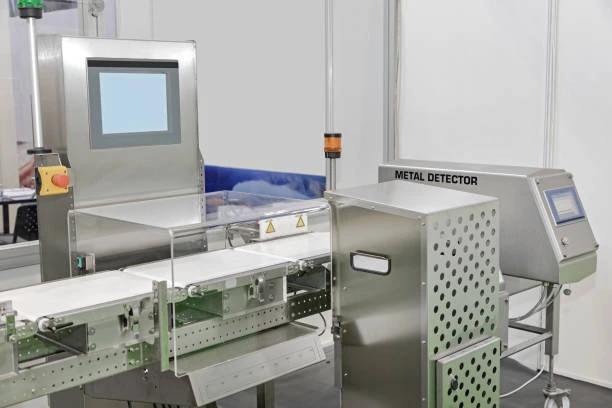
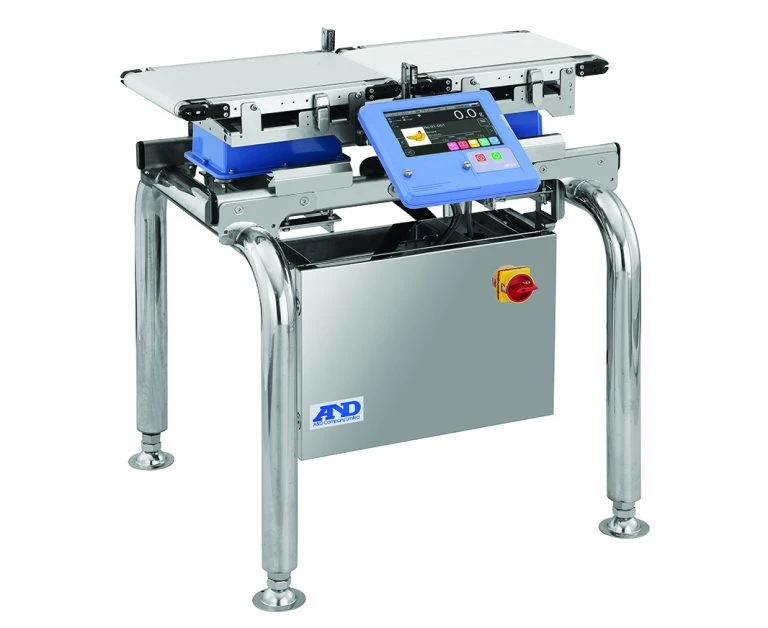
Metal detectors are often used alongside other inspection systems such as X-ray machines, checkweighers, and vision systems. This integrated approach creates a comprehensive quality control framework.
Benefits of integration include:
- Multi-layered inspection for improved accuracy
- Reduced false rejects
- Streamlined production processes
While metal detectors are highly effective, combining them with other technologies ensures broader contamination detection and enhances overall efficiency.
Challenges and Considerations
Despite their advantages, metal detectors are not without limitations. Their effectiveness depends on proper calibration, product characteristics, and environmental conditions.
Some common challenges include:
- Reduced sensitivity in certain product types (e.g., high moisture or salt content)
- Potential false positives due to environmental interference
- Need for regular calibration and maintenance
As noted in industry discussions, improper setup or calibration can significantly affect detection accuracy and reliability.
Addressing these challenges requires proper training, regular testing, and choosing the right equipment for specific applications.
Future Trends in Metal Detection Technology
The future of metal detection in the food industry is driven by advancements in technology and increasing demand for automation.
Emerging trends include:
- AI-powered detection systems for improved accuracy
- Enhanced sensitivity for detecting smaller contaminants
- Integration with IoT for real-time monitoring
- Smart systems with self-calibration features
These innovations will further enhance production efficiency by reducing human intervention and improving detection reliability.
Conclusion
Metal detectors play a crucial role in improving production efficiency in the food industry. Beyond their primary function of ensuring food safety, they contribute to streamlined operations, reduced waste, enhanced compliance, and increased throughput.
By integrating metal detection systems into production lines, food manufacturers can achieve a balance between safety and efficiency—ensuring high-quality products while maintaining cost-effective operations.
As technology continues to evolve, metal detectors will become even more sophisticated, further strengthening their role as an indispensable component of modern food production systems.




























Sign in to leave a comment.