
In the pharmaceutical industry, precision is not just a quality objective—it is a regulatory requirement. Every tablet, capsule, and bottle must meet strict weight specifications to ensure patient safety, dosage accuracy, and compliance with global regulations. Inline checkweighers play a vital role in achieving this precision by continuously verifying product weight during high-speed production.
From solid oral dosage forms to liquid-filled bottles, inline checkweighers help pharmaceutical manufacturers maintain control, reduce waste, and demonstrate compliance with Good Manufacturing Practices (GMP).
What Are Inline Checkweighers?
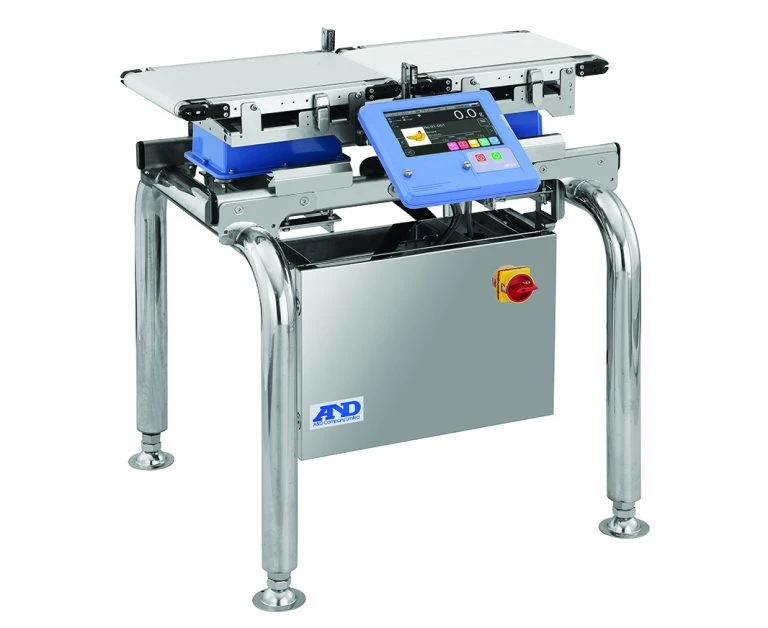
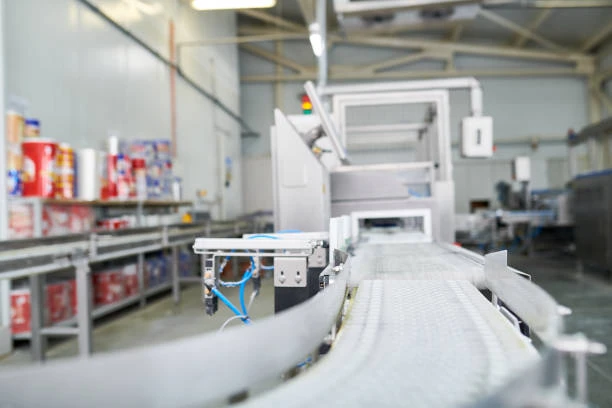
Inline checkweighers are automated weighing systems installed directly on production lines. They measure the weight of each product as it moves through the line and automatically reject items that fall outside predefined tolerance limits.
Unlike batch sampling methods, inline checkweighers provide 100% weight inspection, making them essential for regulated environments such as pharmaceutical manufacturing.
Why Weight Accuracy Is Critical in Pharma
Dosage Integrity and Patient Safety
Accurate weight directly correlates with correct dosage. Underfilled tablets or bottles may deliver insufficient active ingredients, while overfilled products can pose safety risks. Inline checkweighers help ensure every unit meets dosage requirements, protecting patient health.
Regulatory Compliance
Pharmaceutical manufacturers must comply with strict regulations, including:
- Good Manufacturing Practices (GMP)
- FDA 21 CFR Part 210/211
- EU GMP guidelines
- USP and pharmacopeial standards
Inline checkweighers support compliance by providing continuous monitoring, traceable data, and documented proof of control.
Avoiding Costly Recalls
Weight deviations are a common cause of pharmaceutical recalls. Inline checkweighers detect issues early, allowing corrective action before large quantities of non-compliant products reach the market.
Inline Checkweighers for Tablet and Capsule Weighing
In tablet and capsule production, inline checkweighers are often placed after compression, coating, or blister packaging processes. Key benefits include:
- Detection of underweight or overweight tablets
- Identification of missing, broken, or chipped units (via weight variation)
- Monitoring of compression consistency
- Improved batch uniformity
High-resolution load cells enable checkweighers to measure extremely small weight differences, making them suitable for even low-dose formulations.
Inline Checkweighers for Bottle Weighing
For bottled pharmaceuticals—such as tablets, capsules, or liquid medications—inline checkweighers verify total pack weight rather than individual units. This helps ensure:
- Correct tablet count per bottle
- Accurate liquid fill levels
- Detection of missing caps or seals
- Identification of foreign material or packaging defects
When combined with upstream counting or filling systems, checkweighers provide an additional layer of quality assurance.
Key Features of Pharma-Grade Inline Checkweighers
High Precision and Sensitivity
Pharmaceutical checkweighers are designed to detect very small deviations, often down to milligram levels, ensuring compliance with tight tolerance ranges.
Hygienic and GMP-Compliant Design
Stainless steel construction, smooth surfaces, and tool-free disassembly support easy cleaning and contamination control in cleanroom environments.
Data Integrity and Traceability
Modern checkweighers offer secure data logging, audit trails, and electronic records to support data integrity requirements such as FDA 21 CFR Part 11.
Automatic Rejection Systems
Non-compliant products are automatically removed from the line using air blasts, pushers, or diverters, preventing contamination of compliant batches.
Integration with Pharma Production Lines
Inline checkweighers integrate seamlessly with other pharmaceutical systems, including:
- Tablet presses and capsule fillers
- Bottle fillers and counters
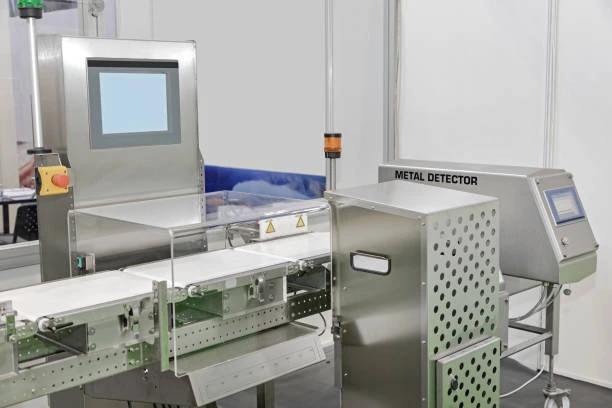
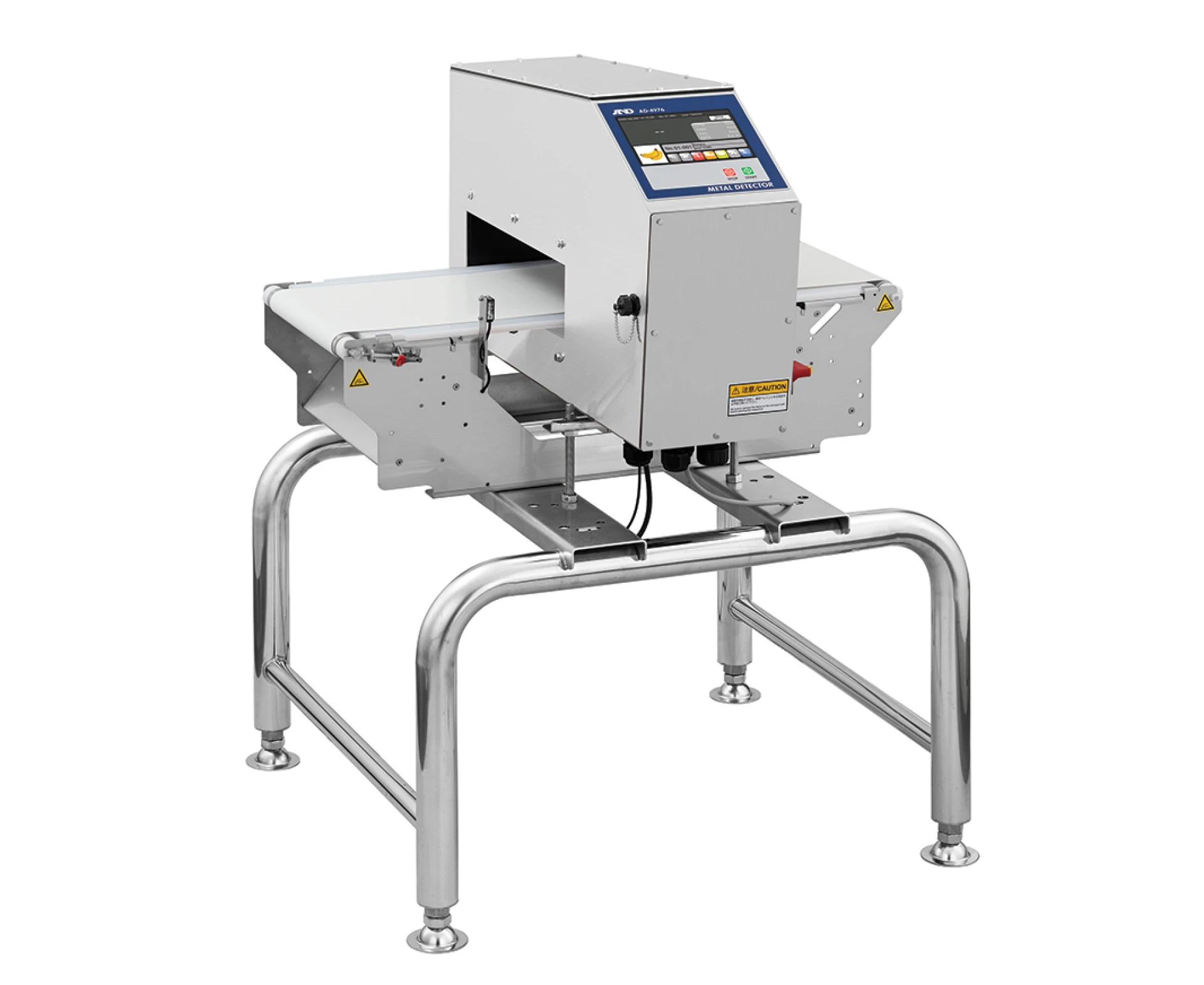
- Metal detectors and X-ray inspection systems
- Manufacturing Execution Systems (MES) and Quality Management Systems (QMS)
This integration enables real-time monitoring, centralised reporting, and faster root-cause analysis.
Reducing Waste and Improving Efficiency
Beyond compliance, inline checkweighers deliver measurable operational benefits. Continuous weight monitoring allows manufacturers to optimise filling processes, reducing product giveaway and minimising rework.
By identifying trends early, checkweighers help prevent downtime and maintain consistent production throughput.
Calibration and Validation in Pharma Environments
Inline checkweighers used in pharmaceutical manufacturing must undergo regular calibration and validation. This includes:
- Initial installation qualification (IQ)
- Operational qualification (OQ)
- Performance qualification (PQ)
- Routine calibration using certified test weights
Proper validation ensures consistent accuracy and regulatory acceptance.
The Role of Inline Checkweighers in Continuous Manufacturing
As the pharma industry moves toward continuous manufacturing models, inline checkweighers become even more critical. Their ability to provide real-time feedback supports closed-loop control systems, enabling faster adjustments and improved process stability.
Conclusion
Inline checkweighers are essential tools in pharmaceutical manufacturing, ensuring precision in tablet and bottle weighing while supporting regulatory compliance and patient safety. By delivering continuous, high-accuracy weight inspection, they help manufacturers reduce risk, improve efficiency, and maintain consistent product quality.
In an industry where precision is non-negotiable, inline checkweighers are not just inspection devices—they are a cornerstone of compliant, reliable pharmaceutical production.

























Sign in to leave a comment.