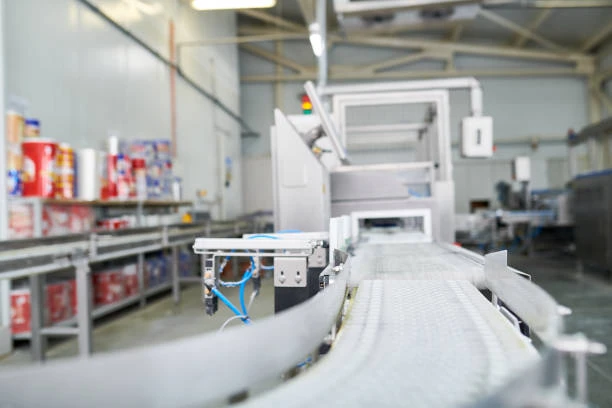

In the competitive and highly regulated food industry, ensuring product safety is not just a compliance requirement—it’s critical to maintaining consumer trust and brand reputation. One of the most costly and damaging events for food manufacturers is a product recall. Recalls can result from contamination by foreign objects such as metal, glass, stone, or plastic, which not only pose health risks to consumers but also damage the company’s credibility and financial stability.
To address this challenge, many food manufacturers are turning to food X-ray inspection systems. These advanced technologies offer a reliable way to detect contaminants and defects that might go unnoticed with traditional quality control methods.
Understanding Product Recalls in the Food Industry
A product recall occurs when a company removes a food item from the market due to safety concerns, contamination, mislabeling, or other quality issues. Recalls are expensive, often involving not just the logistics of retrieving products, but also legal liabilities, loss of consumer trust, and potential regulatory penalties.
According to global statistics, thousands of tons of food products are recalled every year due to foreign object contamination. The most common contaminants include metal fragments, glass shards, stones, and hard plastic pieces—items that can easily slip through traditional visual inspections or metal detection systems. This highlights the urgent need for a more comprehensive and reliable detection method.
What Is Food X-Ray Inspection?
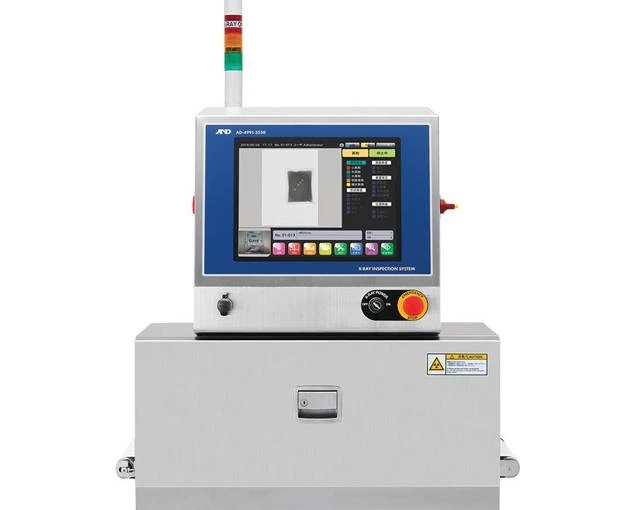
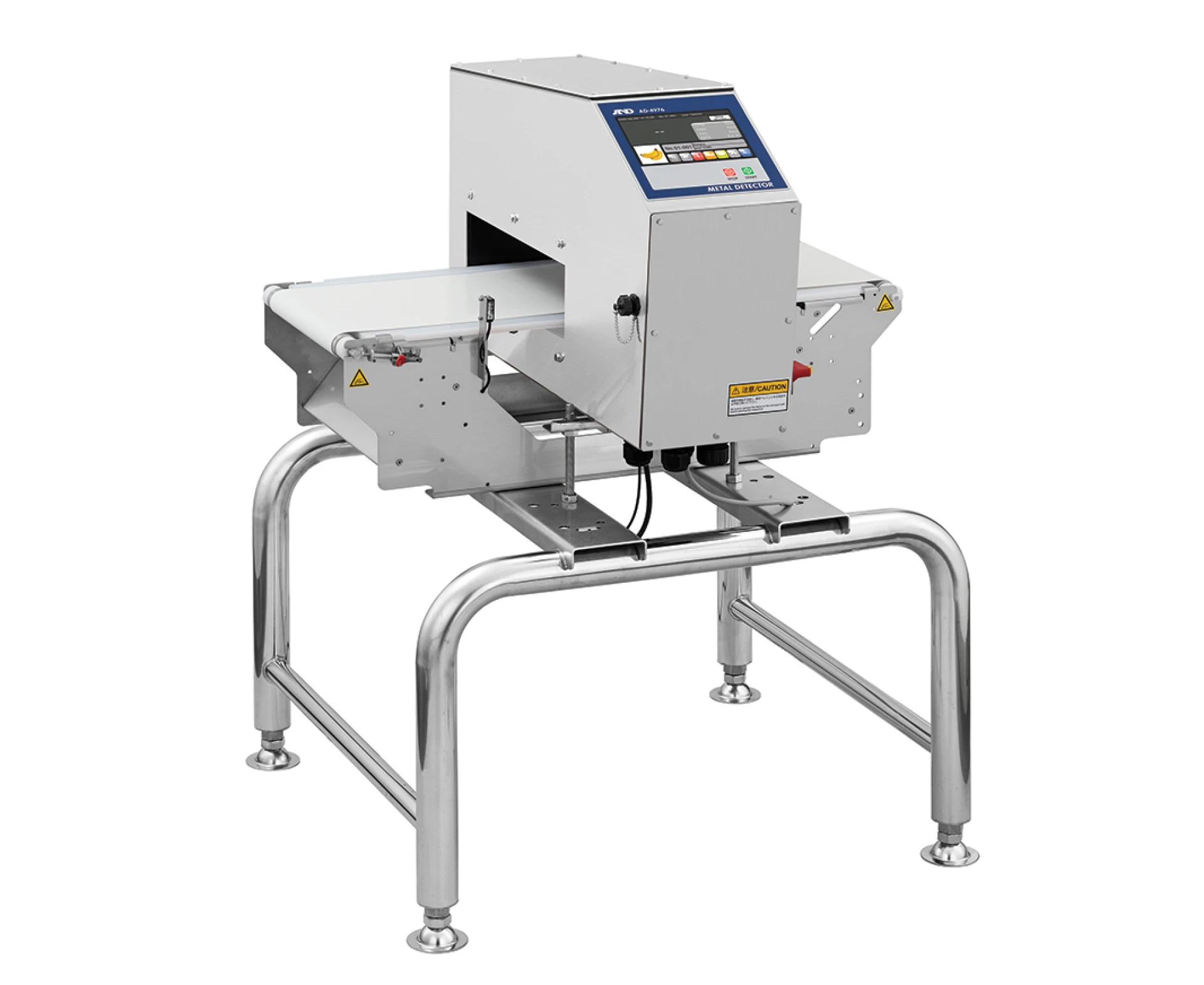
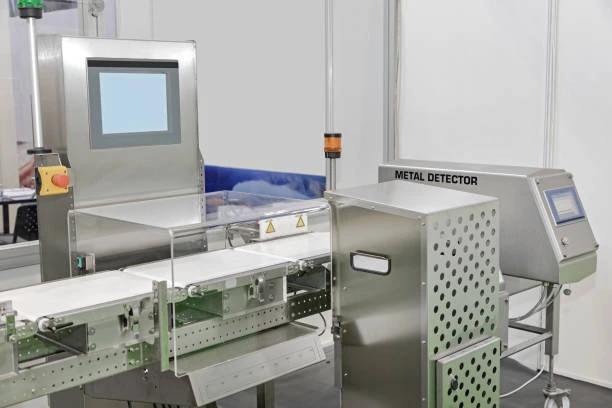
Food X-ray inspection is a non-destructive testing method used to examine food products for foreign objects and defects without compromising the product. Unlike metal detectors, which can only identify metallic contaminants, X-ray systems can detect both metallic and non-metallic contaminants, including glass, ceramics, bone, stones, and high-density plastics.
These systems work by passing X-rays through the product. Differences in density between the food and potential contaminants allow the system to identify and flag unsafe items. Modern X-ray inspection machines are highly sensitive, capable of detecting contaminants as small as 1–2 mm, depending on the product and system configuration.
Key Benefits of Food X-Ray Inspection
1. Detects a Wide Range of Contaminants
While metal detectors are limited to metallic objects, X-ray inspection can identify metal, glass, stone, ceramics, bone fragments, and certain plastics. This makes it a versatile solution, particularly for complex or mixed-product lines where multiple contaminant types could be present.
2. Reduces Product Recalls
By identifying contaminated products before they leave the production line, X-ray inspection significantly reduces the risk of product recalls. Early detection allows manufacturers to remove affected batches proactively, saving costs and protecting their brand reputation.
3. Enhances Regulatory Compliance
Food safety regulations in Australia, the U.S., Europe, and other markets require rigorous contamination control measures. X-ray inspection helps manufacturers comply with these standards, demonstrating a proactive approach to consumer safety.
4. Improves Production Efficiency
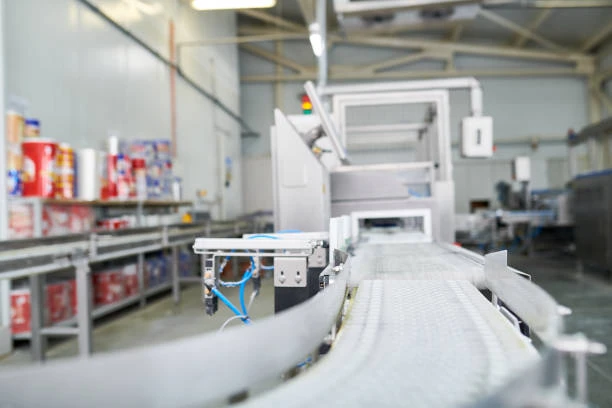
Modern X-ray systems integrate seamlessly into production lines, providing real-time inspection without slowing down operations. Automated rejection mechanisms remove defective products quickly, maintaining throughput while ensuring safety.
5. Protects Brand Reputation
Product recalls can severely damage a brand’s image. X-ray inspection minimizes this risk by ensuring that only safe, high-quality products reach consumers. This trust translates into customer loyalty and long-term market advantage.
Applications of Food X-Ray Inspection
Food X-ray systems are highly adaptable and can be applied to a wide range of products, including:
- Packaged foods: Snack bars, frozen meals, ready-to-eat products.
- Bakery products: Bread, pastries, and cakes, where hard inclusions like stones or metal can occur.
- Meat and poultry: Detecting bone fragments, cartilage, and metal contaminants.
- Dairy products: Cheese blocks, packaged milk, or yogurt cups where contamination might occur during processing.
- Confectionery: Chocolate, candies, and gums with hard foreign objects.
By integrating X-ray inspection at critical control points in the production line, manufacturers can ensure consistent quality and safety.
How X-Ray Inspection Helps Minimize Recalls
Early Detection
X-ray inspection identifies contaminated products before they are packaged or shipped. Early detection prevents unsafe products from reaching shelves, drastically reducing the likelihood of a recall.
Comprehensive Contaminant Coverage
With the ability to detect both metallic and non-metallic contaminants, X-ray inspection addresses risks that traditional methods might miss. For instance, glass shards or stones in baked goods can go undetected by food metal detectors but are easily flagged by X-rays.
Quality Assurance Beyond Contamination
X-ray inspection isn’t limited to contaminant detection. Advanced systems also identify product defects, such as missing components, incorrect fill levels, or broken products. This dual functionality ensures that every product meets the highest quality standards.
Data and Traceability
Modern X-ray systems often include data logging and reporting capabilities, which help manufacturers track trends, identify recurring issues, and implement corrective actions. This traceability enhances food safety management systems and supports compliance audits.
Choosing the Right Food X-Ray System
Selecting an appropriate X-ray inspection system requires careful consideration of several factors:
- Product Type and Packaging: Different products and packaging materials may affect detection sensitivity.
- Contaminant Types: Systems should be capable of detecting all likely contaminants in your production process.
- Production Line Speed: The system should accommodate your throughput requirements without slowing operations.
- Integration and Automation: Choose systems that can seamlessly integrate with existing production lines and automated rejection mechanisms.
- Support and Maintenance: Reliable technical support ensures consistent performance and minimal downtime.
Partnering with an experienced supplier ensures that the system is tailored to your unique production environment, maximizing both safety and efficiency.
Case Studies: X-Ray Inspection Success
Many food manufacturers have reported significant reductions in product recalls after implementing X-ray inspection systems. For instance:
- A bakery chain using X-ray inspection reduced incidents of foreign object contamination by over 90% within the first year.
- A meat processing facility improved detection of bone fragments and metal shards, avoiding multiple potential recalls and saving millions in recall costs.
- Confectionery manufacturers have used X-ray systems to ensure consistent fill levels in chocolate bars, preventing consumer complaints and enhancing product quality.
These examples demonstrate how X-ray inspection not only protects consumers but also delivers tangible business benefits.
Conclusion
Food X-ray inspection is no longer a luxury—it’s a necessity for modern food manufacturers seeking to minimize product recalls and maintain consumer trust. By detecting a wide range of contaminants, ensuring consistent product quality, and supporting regulatory compliance, X-ray systems safeguard both public health and brand reputation.
Investing in a reliable X-ray inspection system is an investment in risk mitigation, operational efficiency, and long-term business success. As food safety regulations become increasingly stringent, manufacturers who adopt X-ray inspection technology position themselves ahead of the curve, ensuring that their products meet the highest standards and reach consumers safely.
For food manufacturers committed to protecting their customers and brand, food X-ray inspection is the ultimate tool for preventing recalls and ensuring product excellence.

























Sign in to leave a comment.