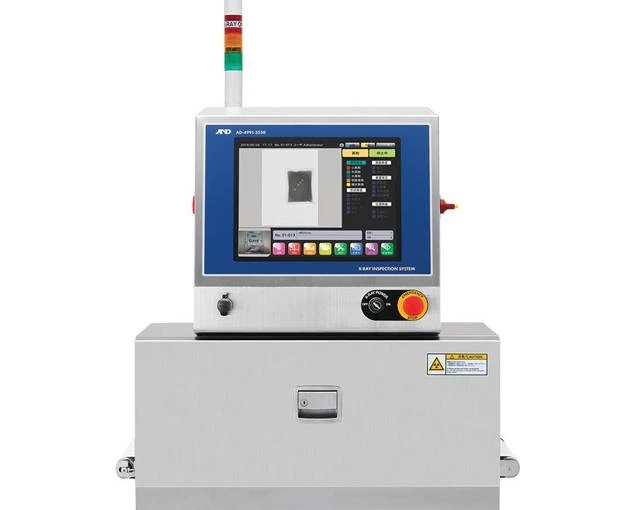

In today’s high-speed food production environment, X-ray inspection systems have become an essential line of defence against physical contaminants — and a powerful tool for meeting Hazard Analysis and Critical Control Point (HACCP) obligations.
Why X-ray inspection matters to HACCP
Food X-ray systems detect a broad range of foreign bodies — including metal, glass, bone, dense plastics and some rubbers — that metal detectors cannot reliably find. That capability makes X-ray inspection particularly useful where mixed materials, complex packs or high-value product lines are concerned. Beyond contaminant detection, modern X-ray equipment can check fill levels, count components, verify seal integrity and flag product defects — all activities that strengthen hazard control and product quality.
X-ray systems as Critical Control Points (CCPs)
HACCP requires a systematic hazard analysis and identification of points where control is critical. A food X-ray machine installation can be designated a CCP when it is relied upon to prevent or reduce a physical contamination hazard to an acceptable level (for example, before primary packing or final cartonning). But designating a CCP is not automatic — it follows from the hazard analysis and depends on where detection is most effective in the process flow. Documentation must show the rationale for CCP selection, the critical limits chosen, and how monitoring, corrective actions and verification will operate.
Validation, verification and performance qualification
Regulators and auditors expect X-ray systems to be validated and verified as part of the HACCP program. Validation demonstrates the system does what you claim (e.g., reliably detect a defined size and type of contaminant in a given product), while verification confirms ongoing performance. Best practice includes: installation checks (IQ), operational qualification (OQ) to prove sensitivity across product variations, and performance qualification (PQ) under real production conditions. Keep records of sensitivity tests, test pieces used, settings, and periodic re-validation after major product or line changes. Industry white papers from major suppliers outline standard IQ/OQ/PQ procedures and are useful references when creating your validation protocol.
Setting realistic critical limits and monitoring
Unlike thermal or pH limits, “critical limits” for X-ray CCPs are typically expressed as detection thresholds (e.g., minimum detectable size in mm of specified materials) and operational settings (tube voltage, detector gain, conveyor speed, rejection timing). These must be tied to the actual risk: what contaminant types are likely, what size would pose a consumer risk, and what the system can demonstrably detect in that product matrix. Monitoring must be frequent and recorded — automated image capture and audit logs are strong evidence for auditors, but manual spot-checks are still common in many facilities.
Limitations and complementary controls
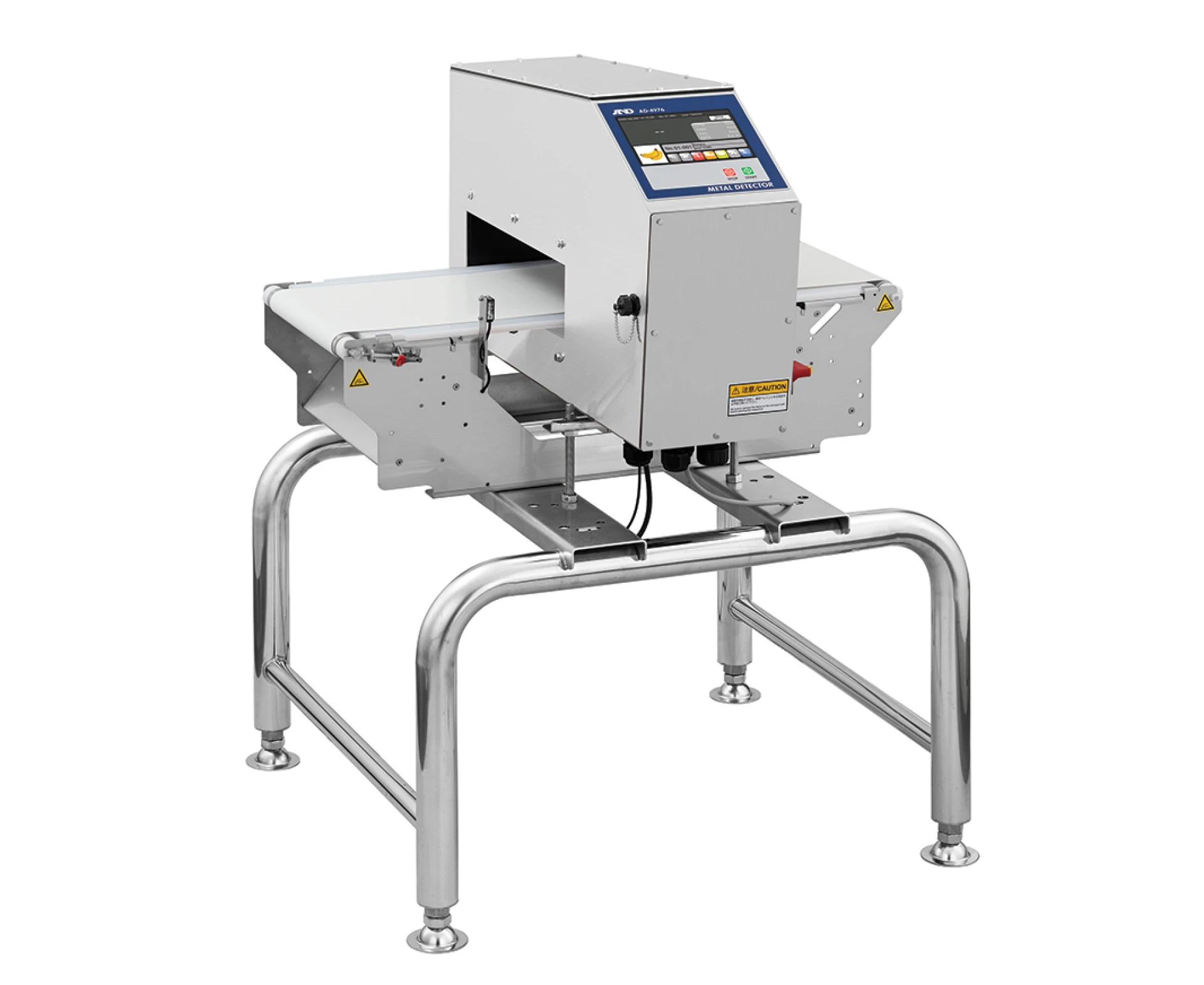
X-ray is powerful but not infallible. Very thin or low-density plastic fragments, orientation effects (wire or needle-like objects aligned with the X-ray beam), and extremely small fragments may escape detection. Nor does X-ray replace the need for good housekeeping, equipment inspection, magnetic separators, metal detectors, and upstream controls that prevent contamination at source. HACCP plans should therefore treat X-ray as one layer in a multi-barrier strategy, with clear preventive measures before and after the X-ray CCP. Technical guidance and bulletins caution against over-reliance on inspection equipment alone.
Radiation safety and regulatory considerations
X-ray systems produce ionising radiation, so they are subject to workplace radiation safety regulations in many jurisdictions. Although food X-ray units use controlled, low-dose beams and are safe when properly installed and maintained, operators must ensure shielding, interlocks, signage, local radiation licences (if required), and staff training are in place. In Australia and New Zealand, broader food safety program requirements (e.g., Standard 3.2.1 and the FSANZ guidance) govern how detection systems are integrated into a food safety program — and may require labelling or other specific compliance steps if irradiation is involved in the product chain. Consult local regulators early in the procurement and installation process.
Practical implementation checklist
- Start with a risk assessment: identify likely foreign-body hazards, their source and potential consequence.
- Decide where X-ray is most effective and whether it will be a CCP. Document the decision.
- Select technology matched to product (throughput, pack type, product density) and supplier-backed validation protocols.
- Perform IQ/OQ/PQ validation and record results; define detection thresholds as critical limits.
- Implement monitoring (automated logs + manual checks), corrective action workflows (segregation, root cause, rework/recall triggers), and routine calibration/maintenance schedules.
- Train operators, maintain traceable records for audits and recall investigations, and re-validate after any product or process change.
Conclusion
X-ray inspection systems are a strategic asset for HACCP compliance when used with clear risk analysis, robust validation and documented controls. They expand the range of detectable contaminants and add valuable quality-control data, but they must be integrated into a multi-barrier food safety system — not viewed as a single, foolproof fix. By following validation best practices, setting realistic critical limits, and maintaining strong monitoring and record-keeping, food businesses can use X-ray technology to reduce risk, protect consumers and demonstrate compliance to auditors and regulators.



























Sign in to leave a comment.