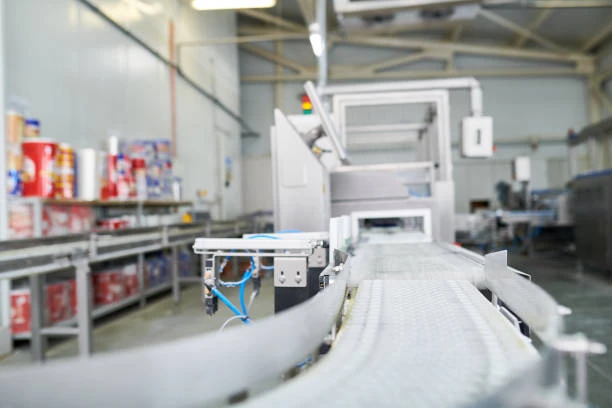

In today’s fast-moving manufacturing landscape, product quality and safety are paramount. Consumers expect high standards, and regulatory bodies enforce strict compliance requirements—particularly in industries such as food, pharmaceuticals, and packaging. Despite rigorous quality control processes, product recalls remain a serious and costly issue for manufacturers. A single contamination incident or undetected defect can lead to massive financial losses, reputational damage, and loss of consumer trust.
This is where X-ray inspection systems come into play. These advanced inspection technologies have transformed quality assurance by providing precise, non-destructive detection of foreign objects and defects. Beyond just catching contaminants, X-ray systems help manufacturers proactively reduce the likelihood of recalls, enhance process control, and ensure regulatory compliance.
The Growing Cost of Product Recalls
Product recalls can devastate businesses, both financially and reputationally. In the food industry alone, recalls can cost companies millions of dollars in direct expenses, not to mention the hidden costs of brand damage, lost sales, and legal fees.
According to industry data, the average cost of a food recall exceeds $10 million, excluding potential litigation and insurance impacts. The pharmaceutical and consumer goods sectors face similar risks, where a single quality control failure can have life-threatening consequences.
The most common causes of recalls include:
- Foreign object contamination (metal, glass, stone, plastic, or bone fragments)
- Mislabeling or packaging errors
- Incomplete sealing or product voids
- Inconsistent fill levels or missing components
Traditional inspection methods like metal detectors and manual visual checks often fall short of detecting non-metallic contaminants or internal defects. X-ray inspection technology bridges this gap, offering a more comprehensive solution for quality assurance.
Understanding X-ray Inspection Systems
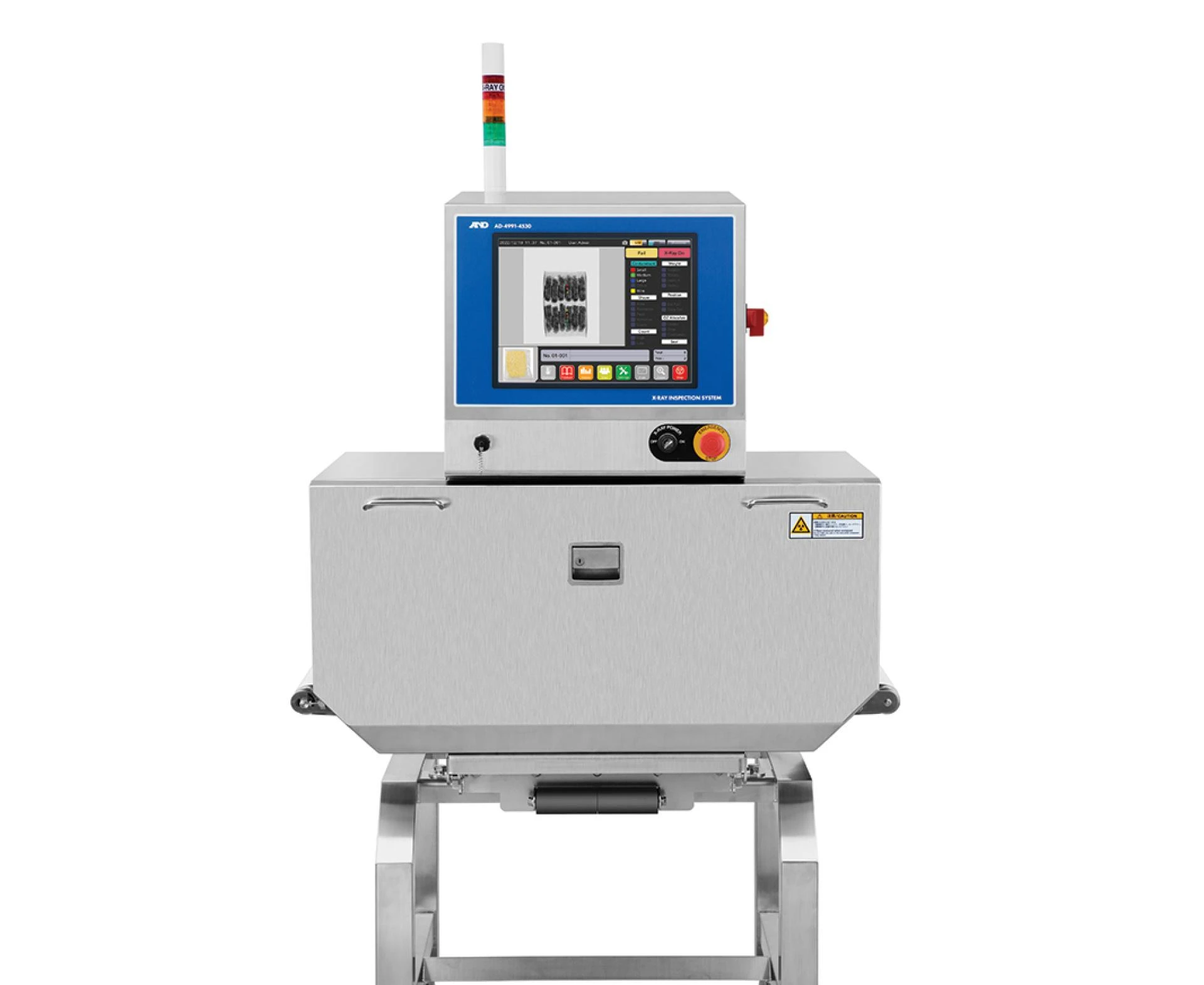
X-ray inspection systems use low-energy electromagnetic radiation to penetrate packaged products and generate detailed images of their internal composition. The system then analyzes the image to identify any irregularities, such as foreign objects, density variations, or missing items.
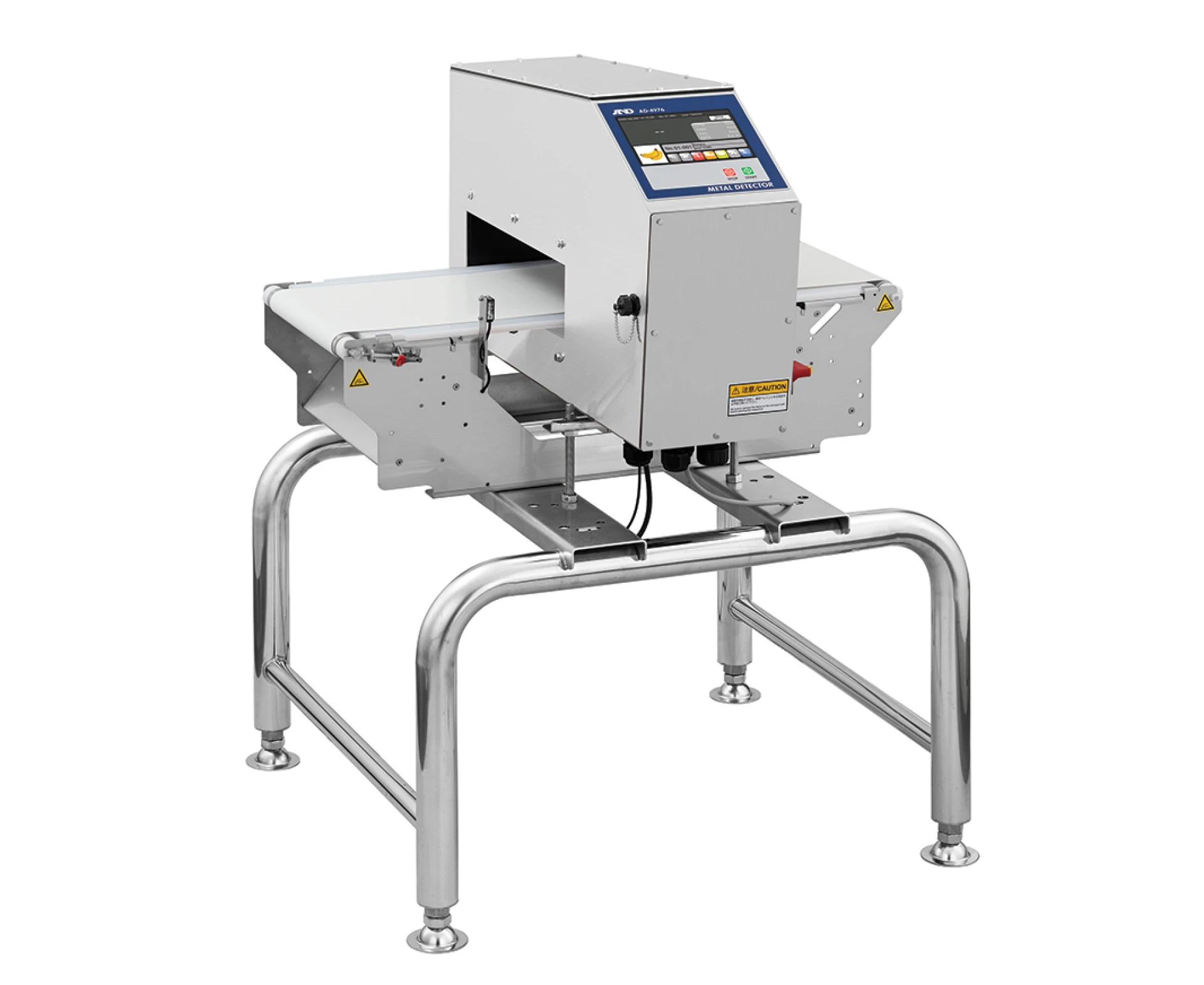
Unlike metal detectors, which are limited to detecting conductive materials, X-ray systems can identify a wide range of contaminants, including:
- Metal (ferrous and non-ferrous)
- Glass
- Ceramic
- Stone
- Bone fragments
- Dense plastics and rubber
This versatility makes X-ray inspection ideal for multi-material packaging, such as foil, plastic, or glass containers, where traditional methods often struggle.
How X-ray Inspection Helps Reduce Product Recalls
1. Early Detection of Contaminants
The most direct way X-ray inspection reduces product recalls is by detecting contaminants before products leave the production line. Whether it’s a shard of glass in a jar of jam or a piece of metal in a frozen meal, X-ray systems identify these threats in real time, allowing immediate removal of defective products.
By catching contamination early, manufacturers can prevent unsafe goods from reaching distributors or consumers—minimizing recall risk and ensuring brand integrity.
2. Detection Beyond Metal Contamination
Metal detectors, while useful, are limited to metallic contaminants. Modern manufacturing, however, often deals with non-metallic foreign materials, especially in food processing and packaging.
For example:
- In the dairy industry, X-rays can detect bone fragments or dense plastic in cheese and yogurt.
- In bakery products, they can identify stones or glass pieces.
- In pharmaceuticals, they can find tablet voids or missing capsules.
By covering a wider range of contaminant types, X-ray inspection systems provide a more comprehensive defense against recalls.
3. Consistency and Fill Level Verification
Recalls can also occur due to underfilled or overfilled packages, missing items, or inconsistent product distribution—all of which can violate labeling regulations or damage consumer trust.
X-ray inspection systems can measure product mass, fill level, and component count with exceptional precision.
For instance:
- In beverage production, they verify liquid levels in bottles.
- In snack packaging, they confirm the presence of every portion.
- In pharmaceuticals, they ensure the correct number of tablets per blister pack.
This capability ensures uniformity and compliance with declared net weights, helping manufacturers avoid regulatory penalties and customer complaints.
4. Automated Reject Systems
Modern X-ray inspection systems integrate with automated reject mechanisms that instantly remove defective items from production lines. This automation minimizes human error and ensures that only products meeting strict quality standards proceed to packaging or distribution.
By combining speed with precision, these systems maintain production efficiency while reinforcing quality assurance—an essential factor in high-volume manufacturing.
5. Comprehensive Data and Traceability
One of the most valuable features of X-ray systems is their ability to record inspection data. Every product image, detection event, and rejection is logged and stored for traceability.
This data is crucial for:
- Audit readiness and compliance reporting
- Root cause analysis in case of defects
- Continuous process improvement
When manufacturers can trace contamination sources—whether from raw materials, equipment wear, or handling errors—they can address the issue before it escalates into a recall.
6. Improved Quality Control and Process Optimization
X-ray inspection systems do more than detect foreign objects—they help manufacturers refine their processes. By analyzing inspection data, operators can identify patterns, such as repeated contamination in specific product batches or packaging lines.
This insight allows for predictive maintenance and process optimization, preventing future defects and reducing downtime. Over time, the system becomes not just a quality control tool, but a vital component of overall operational efficiency.
Benefits Beyond Recall Prevention
While preventing recalls is a major advantage, X-ray inspection offers broader benefits:
- Regulatory compliance: Meets international standards like HACCP, BRCGS, and FDA regulations.
- Brand protection: Reduces the risk of negative publicity and maintains consumer trust.
- Waste reduction: Detects issues early, minimizing product loss and rework.
- Operational efficiency: Enhances throughput without compromising accuracy.
- Cost savings: Preventing one major recall can offset the entire cost of implementing X-ray inspection systems.
Applications Across Industries
X-ray inspection technology is used in various industries, including:
- Food and Beverage – Detecting contaminants in packaged, frozen, or bulk goods.
- Pharmaceuticals – Ensuring accurate dosage, fill levels, and packaging integrity.
- Cosmetics and Personal Care – Checking for missing components and packaging defects.
- Industrial and Chemical Products – Detecting impurities or inconsistencies in powders and raw materials.
Each application benefits from tailored X-ray configurations to suit specific product types, packaging materials, and production speeds.
Investing in Prevention: A Strategic Advantage
The cost of a modern X-ray inspection system is modest compared to the potential losses of a single recall event. More importantly, these systems provide manufacturers with peace of mind and a reputation for safety and reliability.
As consumer expectations and regulatory standards continue to rise, the demand for advanced inspection technologies will only grow. Manufacturers who invest in X-ray inspection systems are not just protecting their bottom line—they’re building stronger brands and fostering customer loyalty through transparency and trust.
Conclusion
Product recalls are among the most serious challenges facing manufacturers today. They can erode brand value, disrupt operations, and lead to significant financial losses. However, by integrating X-ray inspection systems into production lines, manufacturers can dramatically reduce these risks.
Through early detection of contaminants, real-time process control, and detailed traceability, X-ray inspection technology acts as a robust safeguard against product defects and non-compliance. In an era where precision and safety define success, adopting X-ray inspection isn’t just a quality assurance measure—it’s a strategic investment in long-term reliability, customer confidence, and brand protection.

























Sign in to leave a comment.