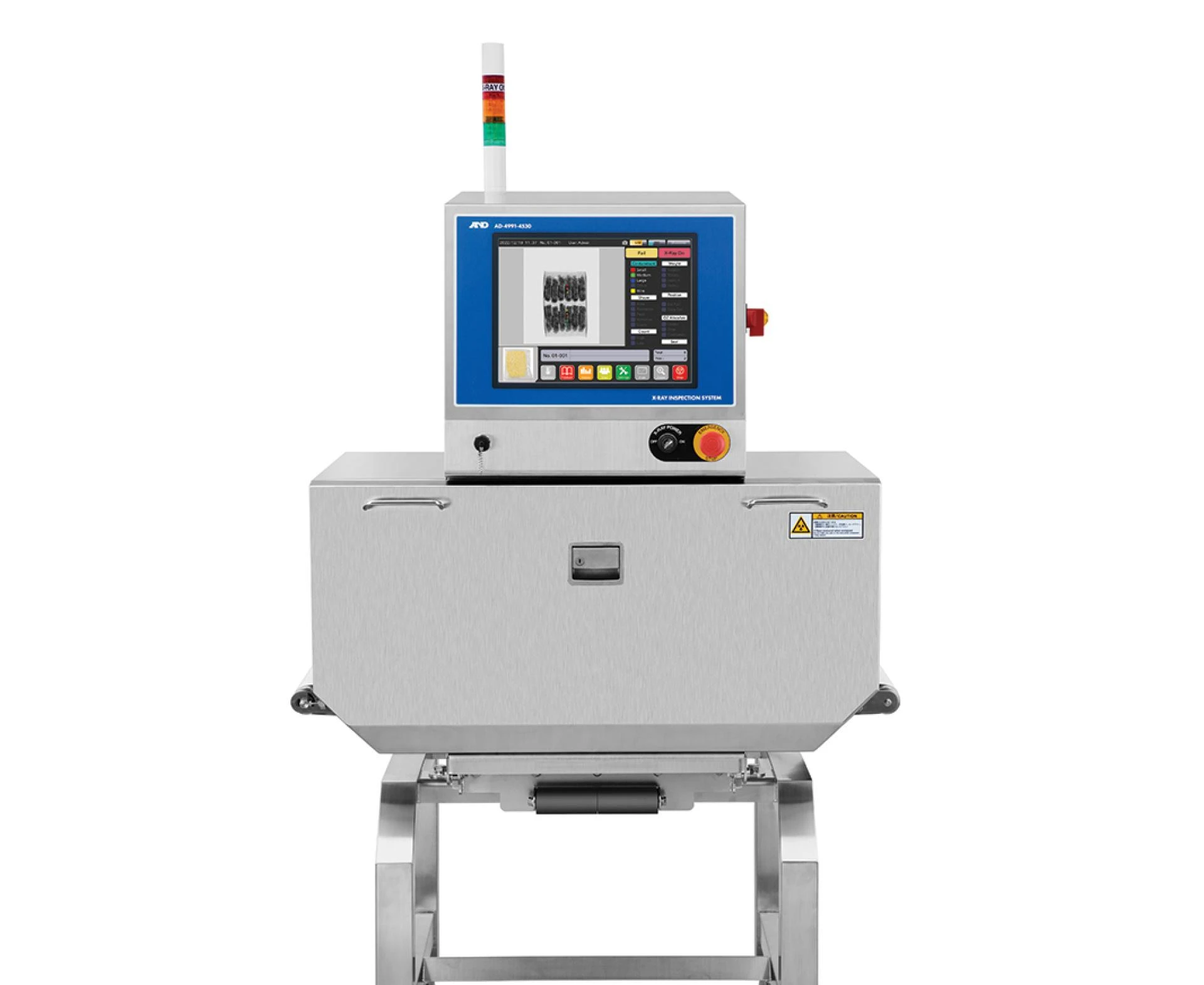

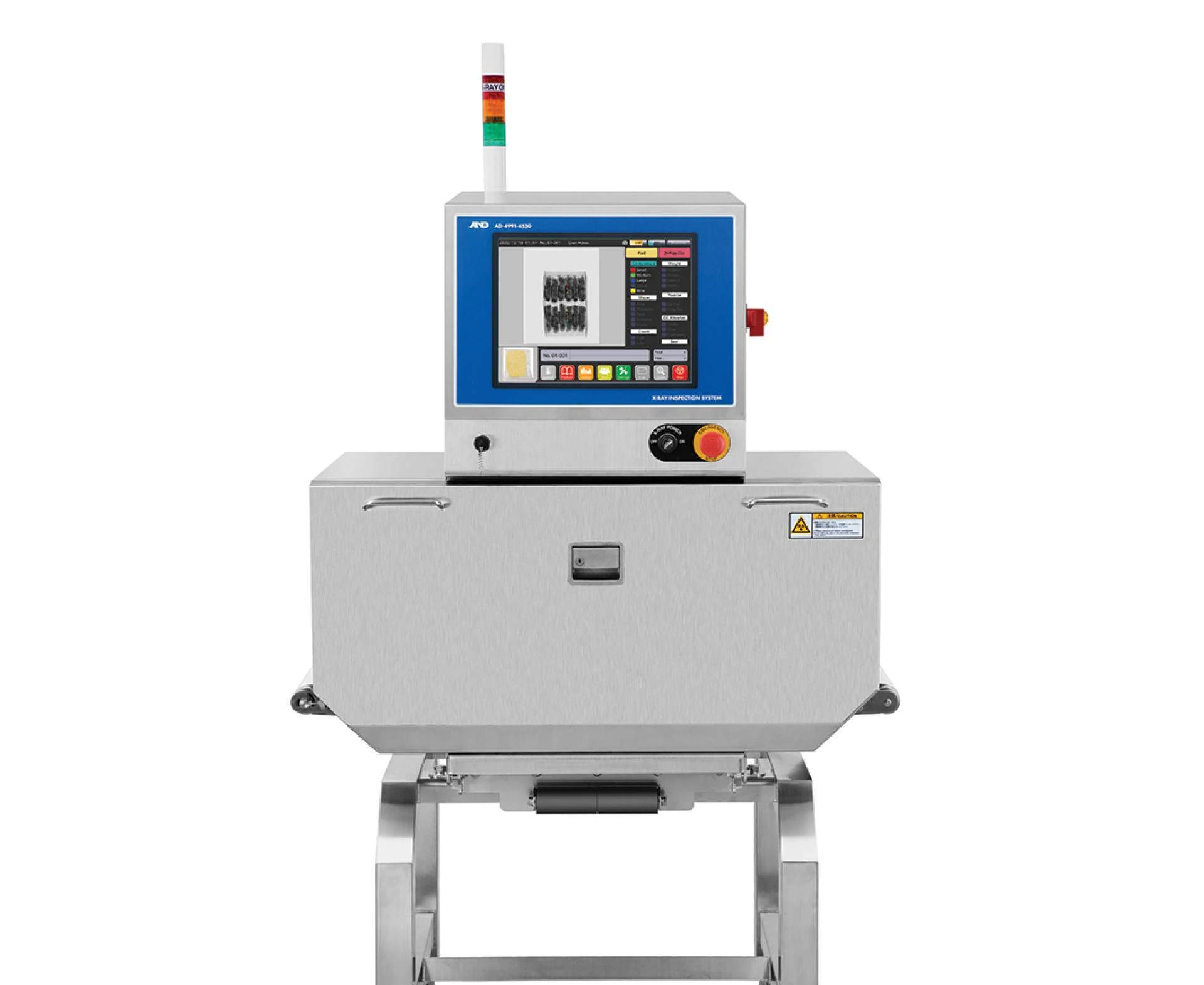
Food safety and quality control have never been more critical. With increasing regulatory demands, heightened consumer awareness, and rising global competition, manufacturers cannot afford lapses in product integrity. Among the most advanced tools used to safeguard product quality in the food industry is the inline X-ray inspection system.
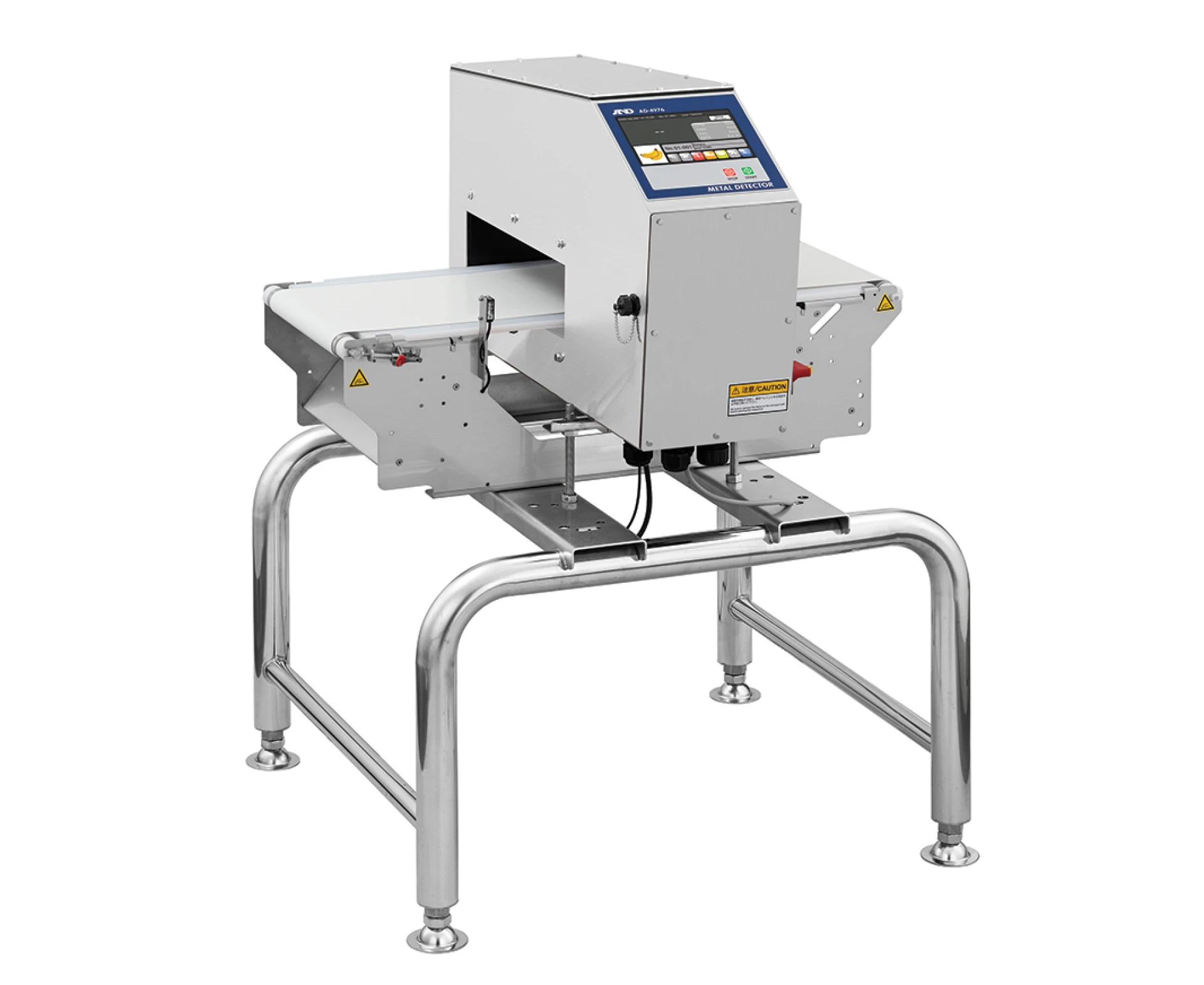
Unlike traditional inspection technologies such as metal detectors, X-ray systems can detect a much broader range of contaminants—including glass, bone, stone, dense plastic, and even some types of rubber—while also performing additional quality checks. For food manufacturers, choosing the right inline X-ray system isn’t just about compliance; it’s about building trust, protecting the brand, and improving efficiency.
Why Inline X-Ray Systems Are Essential
Inline X-ray systems integrate directly into the production line, inspecting every product in real time without slowing down throughput. Their importance lies in several factors:
- Consumer Safety – Detecting harmful foreign objects before products reach customers.
- Regulatory Compliance – Meeting global standards such as HACCP, BRCGS, and FDA requirements.
- Brand Protection – Avoiding costly recalls and reputational damage.
- Operational Efficiency – Detecting quality issues early to minimize waste and rework.
With these benefits in mind, let’s dive into the key features that businesses should prioritize when choosing an inline X-ray system.
Key Features to Look For in an Inline X-Ray System
1. Detection Capabilities
The primary function of an X-ray system is to detect contaminants. However, not all systems are equal in what they can detect or how reliably they perform.
- Range of Contaminants: Look for a system capable of detecting metals, glass, bone, stone, and dense plastics.
- Size Sensitivity: Consider the smallest contaminant size the system can identify. For high-risk products, being able to detect particles as small as 0.5 mm can make all the difference.
- Product Type Compatibility: Some systems are optimized for packaged goods, while others handle bulk or liquid products better. Ensure the system matches your product format.
2. Image Quality and Processing Software
High-resolution imaging combined with advanced software determines how effectively the system can identify contaminants and quality issues.
- Grayscale depth enhances the ability to distinguish between product and contaminant.
- Smart algorithms can adjust for variations in product density, reducing false rejects.
- Data storage and analysis capabilities allow for traceability, helping manufacturers monitor long-term quality trends.
Modern systems often incorporate artificial intelligence (AI) to improve detection accuracy over time by “learning” from previous scans.
3. Speed and Throughput
Production lines vary in speed, and the chosen X-ray system must keep pace without compromising accuracy.
- High-speed systems can process hundreds of packs per minute, ensuring that quality control doesn’t become a bottleneck.
- Multi-lane inspection systems can check multiple products simultaneously, useful for high-volume operations.
If your production requires scalability, consider whether the system can be upgraded to handle increased throughput in the future.
4. Ease of Integration
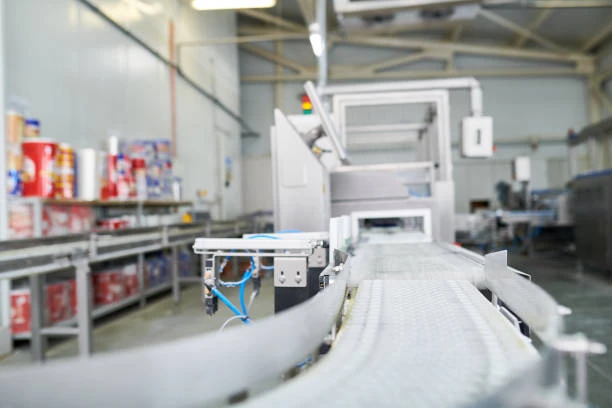
An inline X-ray system should integrate seamlessly into existing production lines with minimal disruption. Key considerations include:
- Compact design for space-constrained facilities.
- Customizable conveyor options to match line layouts.
- Simple installation and setup to minimize downtime.
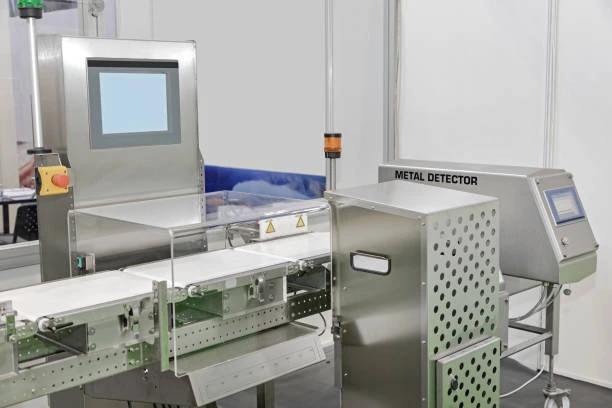
The right system should also work in harmony with other equipment, such as checkweighers, seal testers, or metal detectors.
5. User-Friendly Interface
Operators interact with the system daily, so usability is critical. Features that enhance user experience include:
- Touchscreen displays with intuitive menus.
- Multi-language support for diverse workforces.
- Pre-set product profiles for quick changeovers between runs.
- On-screen diagnostics to simplify troubleshooting.
A user-friendly interface not only improves efficiency but also reduces the risk of operator error.
6. Hygienic Design
For food manufacturers, cleanliness is non-negotiable. Inline X-ray systems must be built to withstand frequent cleaning and harsh environments.
- Stainless steel construction ensures durability and corrosion resistance.
- IP-rated enclosures protect against dust and water ingress.
- Sloped surfaces and minimal crevices reduce contamination risks and make cleaning easier.
If your facility operates under strict hygiene protocols, prioritize equipment designed to meet those standards.
7. Quality Assurance Beyond Contaminant Detection
Modern X-ray systems offer much more than foreign object detection. They can perform additional quality checks such as:
- Weight verification by assessing product density.
- Seal integrity inspection for packaged items.
- Fill-level detection to ensure consistency.
- Product counting and shape verification to confirm completeness.
These added capabilities turn the X-ray system into a multifunctional quality control tool, saving money and reducing the need for separate equipment.
8. Data Management and Connectivity
Traceability is a key requirement in today’s food industry. Look for systems that:
- Log inspection data for each product.
- Integrate with factory management software (ERP, MES, SCADA).
- Provide real-time reporting for audits and compliance checks.
Cloud connectivity and remote monitoring are increasingly common, enabling managers to oversee performance from anywhere.
9. Reliability and Maintenance
Downtime can be costly, so reliability is a must. When evaluating systems, consider:
- Proven track record of uptime in demanding environments.
- Self-diagnostic tools that alert staff before issues escalate.
- Ease of access for cleaning and servicing.
- Availability of local technical support and spare parts.
Investing in a reliable system reduces long-term costs by minimizing breakdowns and extending equipment lifespan.
10. Compliance and Certification
Finally, ensure the system meets all relevant industry standards and certifications. Depending on your region, these may include:
- CE, FCC, or UL certifications.
- HACCP compliance.
- BRCGS and FDA food safety requirements.
A compliant system not only ensures regulatory approval but also provides reassurance to customers and stakeholders.
Balancing Cost and Value
Price is always a factor, but focusing solely on upfront cost can be misleading. Instead, consider total cost of ownership:
- Energy efficiency.
- Maintenance and servicing costs.
- Reduced waste from false rejects.
- Improved productivity and compliance.
Often, investing in a high-quality X-ray system pays for itself through fewer recalls, stronger customer trust, and streamlined operations.
Final Thoughts
Choosing the right inline X-ray system is not just a technical decision—it’s a strategic one. By prioritizing detection capabilities, ease of integration, hygienic design, and advanced quality assurance features, food manufacturers can protect their consumers, comply with regulations, and safeguard their brand reputation.
Inline X-ray systems have evolved from simple contaminant detectors into multifunctional quality control hubs. For businesses committed to excellence, investing in the right system is not just an option—it’s a necessity.

























Sign in to leave a comment.