
In today’s fast-paced food industry, safety is paramount. Consumers expect the products they purchase to be free of physical contaminants, and regulatory authorities demand strict adherence to food safety protocols. For food producers and manufacturers, maintaining high standards is not just about avoiding fines or recalls—it’s about protecting public health and preserving brand reputation.
One of the most advanced tools in the food safety arsenal is the food X-ray machine. These systems have become a cornerstone for compliance with food safety standards such as HACCP (Hazard Analysis and Critical Control Points) and other national and international regulations. In this blog post, we’ll explore how food X-ray machines help manufacturers meet these standards and ensure consumer trust.
Understanding HACCP and Regulatory Compliance
What is HACCP?
HACCP is a systematic preventive approach to food safety. It identifies, evaluates, and controls hazards—biological, chemical, or physical—that could affect the safety of food products. Rather than relying solely on end-product inspection, HACCP focuses on identifying and mitigating risks throughout the production process.
The seven core principles of HACCP are:
- Conduct hazard analysis
- Identify critical control points (CCPs)
- Establish critical limits
- Monitor CCPs
- Establish corrective actions
- Verify the system
- Keep records and documentation
Among these, physical contaminants—like glass, metal, stones, or bone fragments—are a key focus area, as they can severely harm consumers and damage a brand's reputation.
Global Food Safety Regulations
In addition to HACCP, manufacturers must comply with a variety of regulations depending on their markets:
- FSMA (Food Safety Modernization Act) in the U.S.
- BRCGS (Brand Reputation through Compliance Global Standards)
- IFS (International Featured Standards)
- EU Regulation 852/2004 on food hygiene
All of these frameworks prioritize prevention and risk management, and encourage or require the use of inspection technologies like X-ray systems.
What Are Food X-Ray Machines?
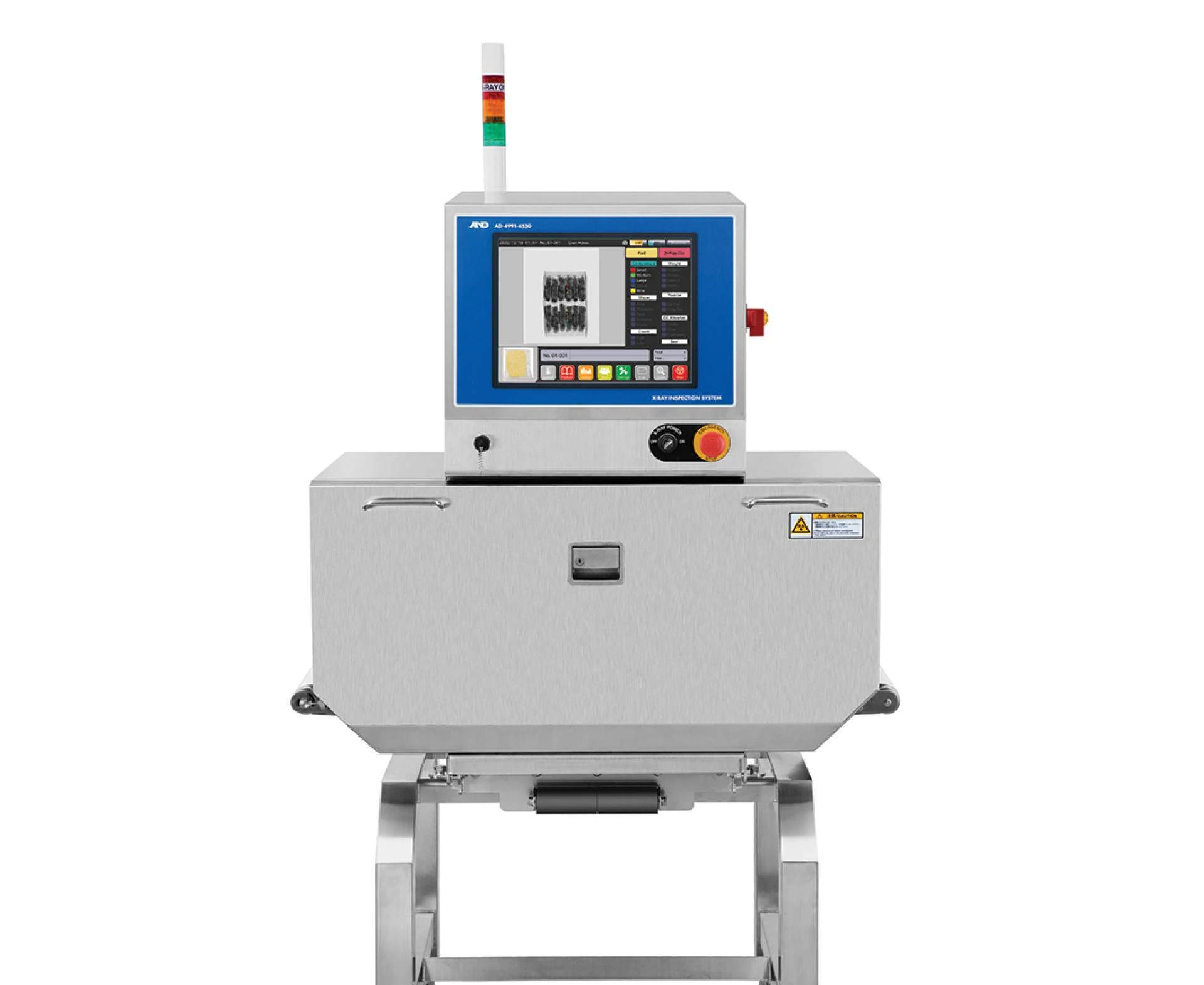
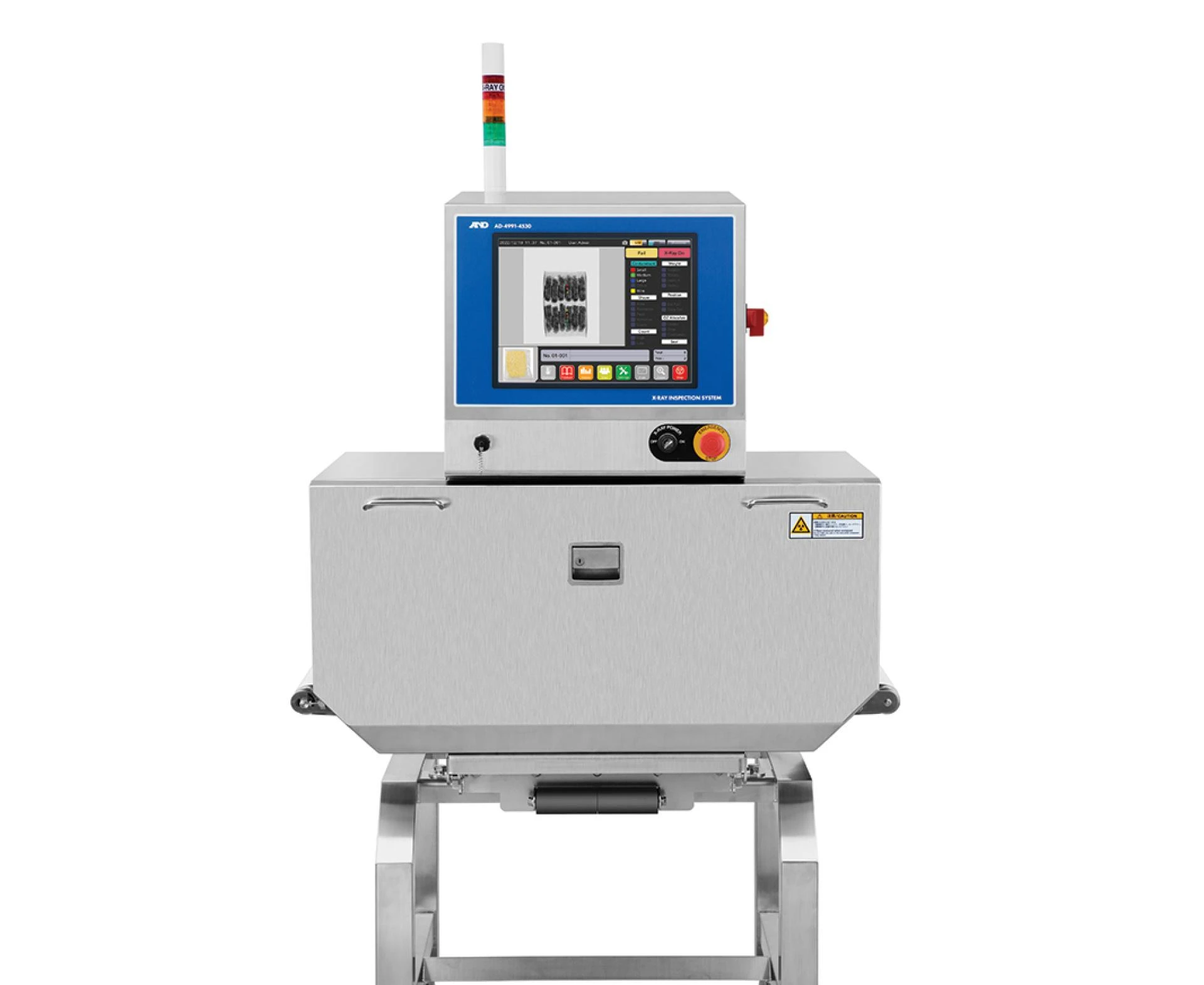
Food X-ray machines are inspection systems designed to detect foreign materials in packaged and unpackaged food products. They work by emitting low-energy X-rays that penetrate food items. When the X-rays pass through the product, denser foreign objects (such as metal, bone, or glass) absorb more radiation, making them appear as contrasting spots in the resulting image.
Modern food X-ray systems are capable of detecting:
- Metal fragments (ferrous, non-ferrous, and stainless steel)
- Glass shards
- Stones and rocks
- Bone fragments
- Rubber and plastic pieces (depending on density)
Some advanced systems can even perform product integrity checks, such as confirming fill levels, detecting broken or missing parts, and verifying seal integrity.
How Food X-Ray Machines Support HACCP Compliance
1. Identifying Physical Hazards
HACCP begins with hazard analysis. X-ray systems directly address the risk of physical contamination, which is one of the most common reasons for food recalls. By installing an X-ray machine at a strategic point in the production process, businesses can proactively detect and remove contaminated products before they leave the facility.
2. Establishing and Monitoring Critical Control Points
The point where the X-ray inspection occurs can be designated as a Critical Control Point (CCP). Continuous monitoring via the X-ray machine ensures that every product is scanned for contaminants, fulfilling the requirement for real-time oversight at this CCP.
3. Setting and Maintaining Critical Limits
X-ray machines allow users to set detection thresholds for various types of foreign materials. For instance, a critical limit may be defined as "no metal particles larger than 1.5 mm." These thresholds can be customized according to the product, packaging, and risk level.
4. Automating Corrective Actions
If a product exceeds the established critical limits—say, it contains a metal fragment—the X-ray system can automatically reject the item from the production line using a pneumatic pusher or diverter. This real-time response eliminates human error and ensures quick corrective action.
5. Supporting Verification and Record-Keeping
Most modern X-ray inspection systems come with built-in data logging. They record inspection results, rejection events, operator logins, and system calibration data. This documentation is crucial for:
- Verifying that the system works as intended
- Demonstrating compliance during audits
- Conducting traceability in the event of a product issue
Meeting Broader Regulatory Requirements
Beyond HACCP, X-ray machines help meet broader food safety and quality standards:
BRCGS and IFS
These global food safety standards require manufacturers to have systems in place for detecting physical contaminants. X-ray systems not only meet these requirements but also provide evidence of due diligence through automatic logging and inspection reports.
FSMA Compliance
Under the Preventive Controls Rule of FSMA, facilities must implement and validate preventive controls for identified hazards. X-ray machines serve as an effective preventive control for physical contamination, helping facilities comply with FDA requirements.
EU and Codex Alimentarius
European regulations prioritize consumer protection and demand accurate monitoring systems. The use of X-ray inspection at critical control points aligns with EU Regulation 852/2004 and Codex guidelines, both of which stress risk-based, verifiable food safety procedures.
Additional Benefits of Food X-Ray Machines
While regulatory compliance is a key motivator, X-ray machines also deliver other operational and strategic benefits:
Brand Protection
Food recalls due to physical contaminants can be devastating to a brand. Using X-ray inspection helps protect your brand’s image and customer loyalty by ensuring only safe, compliant products reach the market.
Reduced Waste
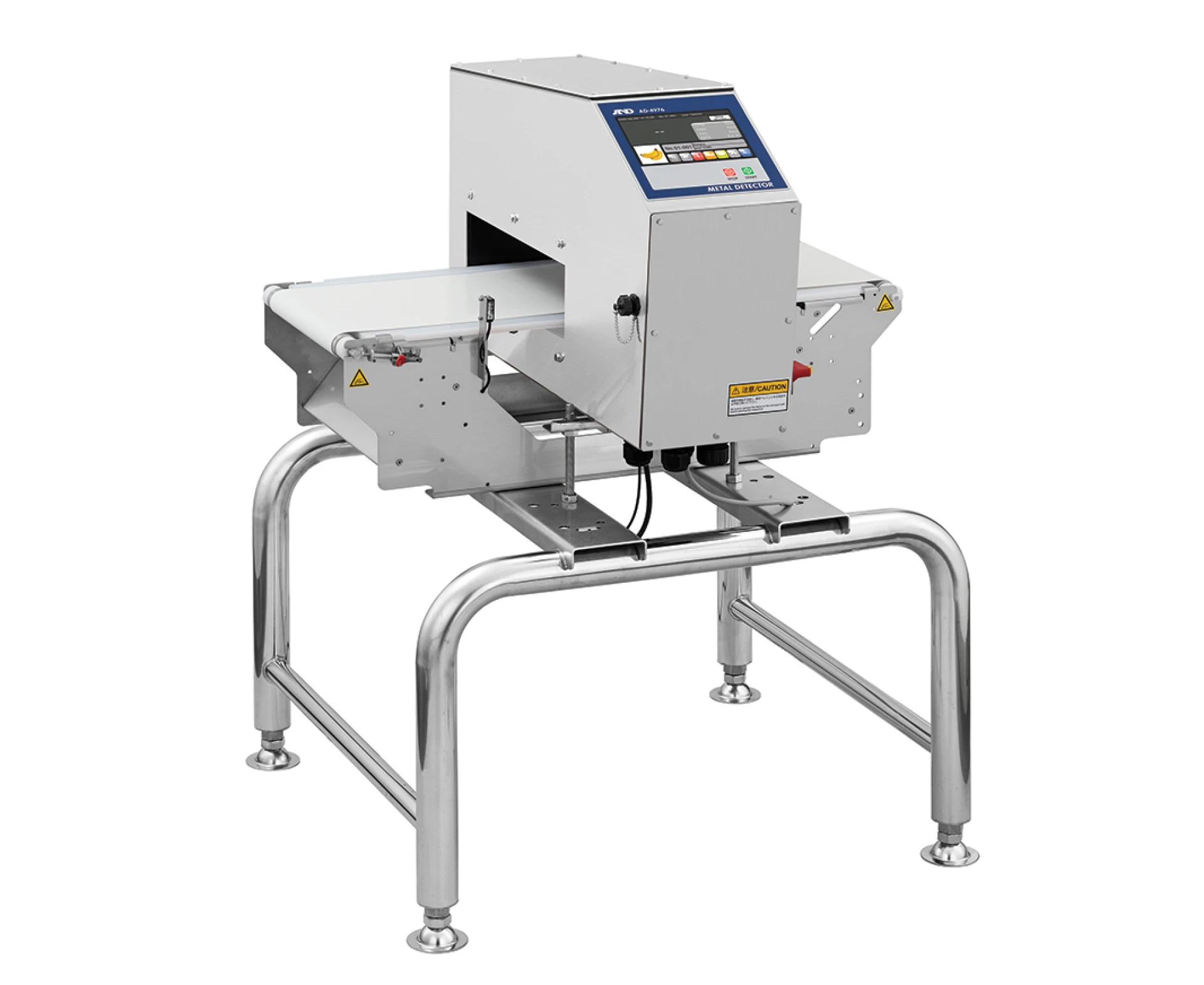
Compared to traditional metal detectors, X-ray machines can detect a wider range of contaminants, reducing false rejections and unnecessary product waste.
Versatile Application
X-ray machines are highly adaptable and can be used for:
- Bulk foods (like nuts or grains)
- Packaged ready meals
- Bottled or canned products
- Frozen and chilled items
Data-Driven Decisions
With every inspection logged and recorded, food manufacturers can use the collected data to refine their processes, reduce risk, and enhance product quality.
Conclusion
As food safety regulations continue to evolve and consumer expectations rise, food X-ray machines have emerged as a vital tool in ensuring product integrity and regulatory compliance. Whether you are aligning with HACCP, FSMA, BRCGS, or EU directives, X-ray inspection systems offer unmatched reliability in detecting foreign materials and supporting your food safety management system.
Investing in a food X-ray machine isn’t just about ticking a compliance checkbox—it’s a proactive move toward building consumer trust, protecting your brand, and delivering safe, high-quality products every time.

























Sign in to leave a comment.