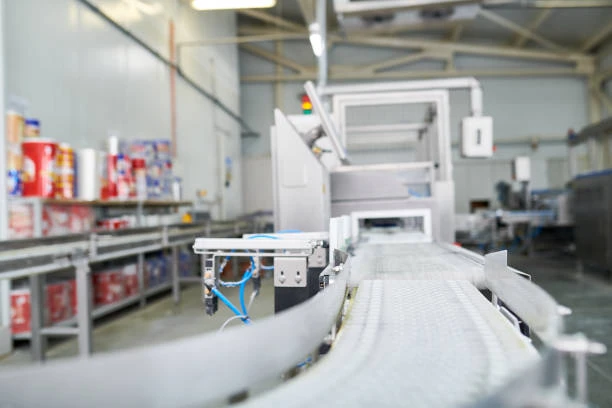
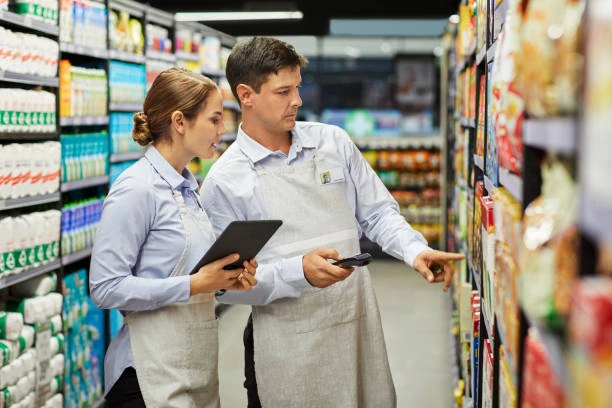
Food safety is a critical concern in today's world, with consumers increasingly aware of the potential risks associated with contaminated food. One technology that has gained traction in the food industry for its ability to enhance safety measures is food X-rays.
Understanding Food X-rays
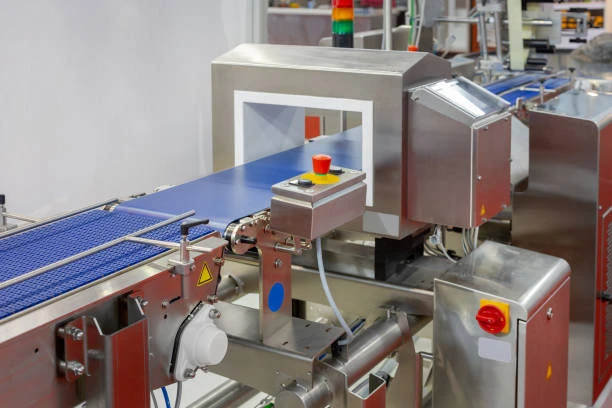
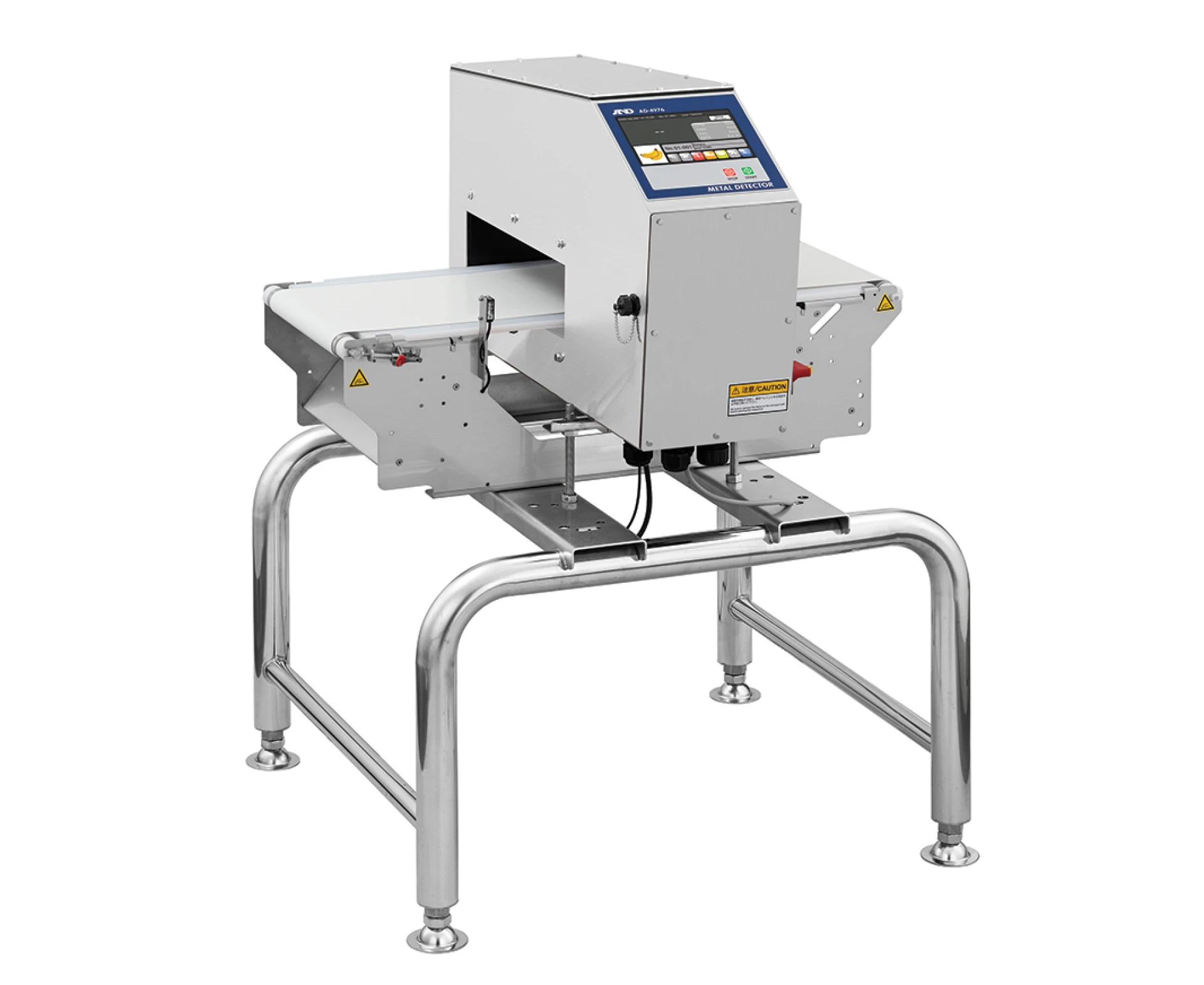
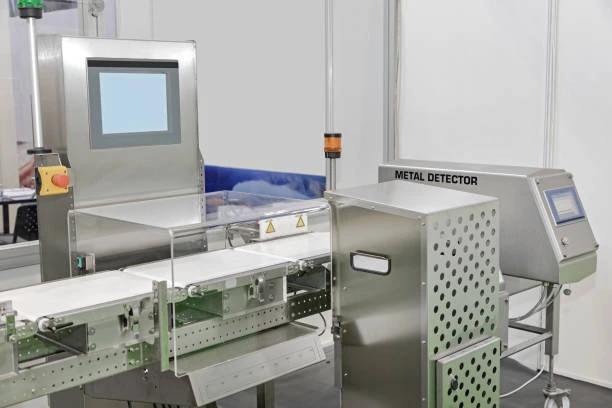
Food X-rays, also known as food inspection systems or food scanners, utilize X-ray technology to detect foreign objects, contaminants, and defects in food products. These systems emit low levels of X-ray radiation that pass through the food product, creating an image based on the varying densities of different materials. By analysing these images, food inspectors can identify and remove contaminants before the products reach consumers.
Benefits of Food X-rays
Improved Food Safety: Food X-rays can detect contaminants such as metal, glass, stones, and plastics that may be present in food products. This helps prevent potential health hazards caused by ingesting these foreign objects.
Quality Control: X-ray inspection systems can identify defects such as missing components, broken pieces, or irregular shapes in food items, ensuring that only high-quality products reach the market.
Regulatory Compliance: Many regulatory bodies require food manufacturers to implement food safety measures, including the use of X-ray inspection systems, to meet industry standards and regulations.
Reduced Waste: By detecting and removing contaminated or defective products early in the production process, food X-rays help reduce waste and minimize economic losses for manufacturers.
Minimizing Food Contamination with Food X-rays
Implement Comprehensive Training: Proper training is essential for personnel operating food X-ray systems. Training should cover system operation, image interpretation, maintenance protocols, and safety precautions to ensure optimal performance and accurate results.
Calibration and Maintenance: Regular calibration and maintenance of food X-ray systems are crucial to their effectiveness. This includes verifying the accuracy of detection settings, inspecting equipment for damage or wear, and promptly addressing any issues that may arise.
Integration with Quality Control Processes: Integrate food inspection system seamlessly into existing quality control processes to streamline operations and enhance efficiency. This includes establishing protocols for handling rejected products and conducting follow-up inspections as needed.
Supplier Audits and Quality Assurance: Conduct regular audits of suppliers to ensure they meet food safety standards and provide high-quality ingredients free from contaminants. Implementing robust quality assurance measures throughout the supply chain can help prevent contamination issues before they occur.
Monitor Regulatory Requirements: Stay informed about relevant regulations and industry standards related to food safety and X-ray inspection. Compliance with these requirements is essential for maintaining consumer trust and avoiding potential legal issues.
Invest in Advanced Technology: Consider investing in advanced food X-ray systems with features such as multi-energy imaging, automatic rejection mechanisms, and real-time monitoring capabilities. These technologies enhance detection accuracy and operational efficiency.
Establish Contingency Plans: Develop contingency plans for handling emergencies or system failures during food X-ray inspection. This includes backup procedures, alternative inspection methods, and communication protocols to minimize disruptions and maintain food safety standards.
Conclusion
Food X-rays play a crucial role in minimizing food contamination by detecting foreign objects, contaminants, and defects in food products. By understanding how these systems work, implementing best practices, and staying proactive in food safety measures, food manufacturers can enhance product quality, comply with regulations, and ultimately safeguard consumer health. Investing in advanced technology, comprehensive training, and robust quality control processes is key to optimizing the benefits of food X-ray inspection systems in the food industry.


























Sign in to leave a comment.