In the complex and fast-paced world of the food industry, supply chain management plays a crucial role in ensuring the safety, quality, and timely delivery of products to consumers. At the heart of this difficult system lies an often under appreciated hero: food inspection. This blog post dives deep into the significant impact of food inspection systems on supply chain management, shedding light on the technological advancements that are setting new standards in the industry.
The Vital Role of Food Inspection in Supply Chain Management
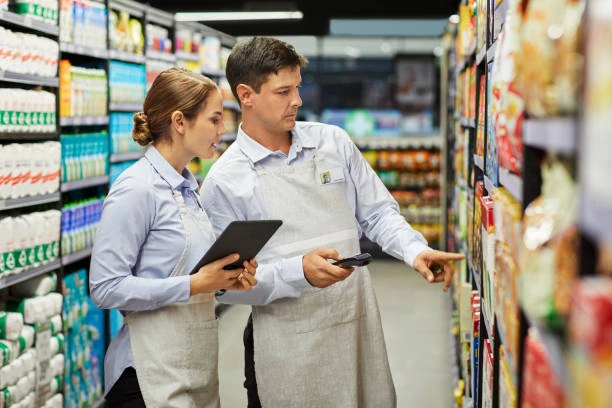
Food safety is not just a regulatory requirement; it's a fundamental consumer right. The importance of food inspection in supply chain management cannot be overstated. It acts as a critical checkpoint that ensures only safe, high-quality products reach the market. By identifying contamination, spoilage, or other quality issues early in the supply chain, businesses can mitigate risks, reduce losses, and uphold their brand integrity.
The Current State of Food Inspection Systems
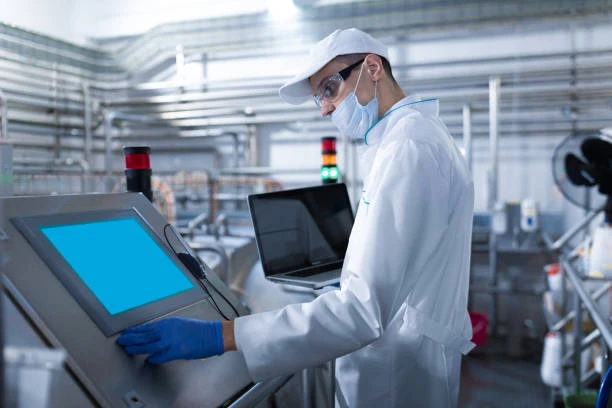
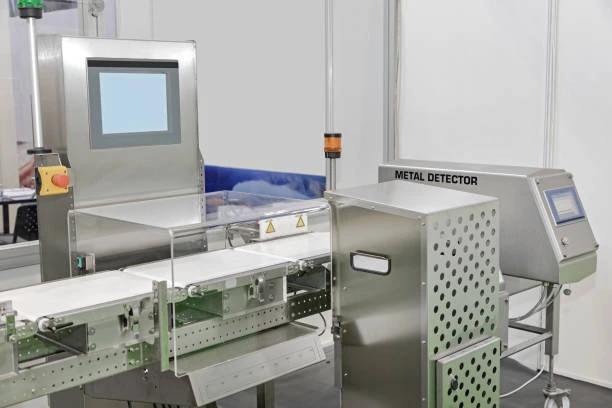
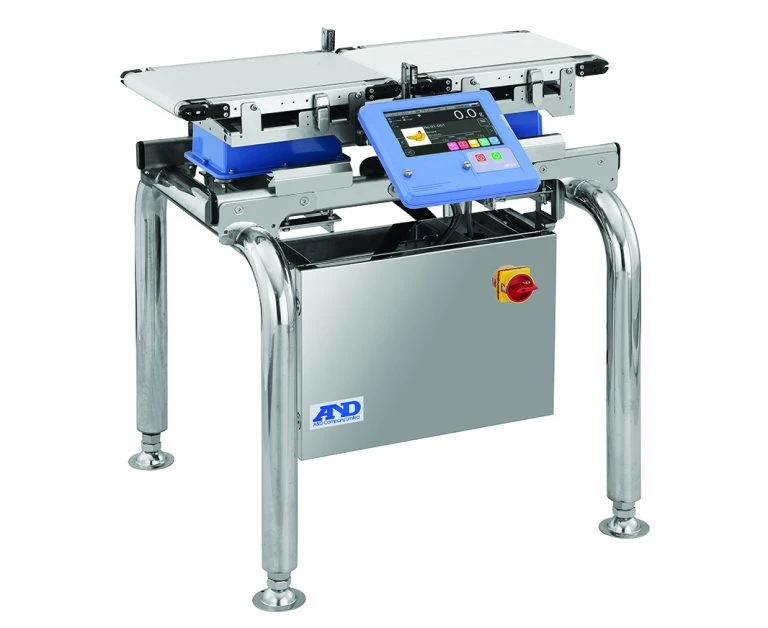
Traditionally, food inspection has relied heavily on manual checks and visual assessments. However, this approach has limitations, including human error and inefficiencies. Today, the industry is witnessing a paradigm shift towards more sophisticated, technology-driven inspection systems. These advancements promise greater accuracy, speed, and reliability in detecting potential issues.
Leveraging Technology to Revolutionize Food Inspection
The integration of technology into food inspection systems is transforming supply chain management. Innovations such as AI-powered image analysis, blockchain for traceability, and IoT sensors for real-time monitoring are making inspections more thorough and data-driven.
These technologies not only enhance the effectiveness of inspection processes but also improve transparency and traceability throughout the supply chain.
The Future of Food Inspection: Trends and Innovations
The horizon of food inspection systems is brimming with potential. Emerging trends, such as machine learning algorithms that predict shelf life and drones for remote crop monitoring, are set to redefine what's possible. These innovations will not only streamline inspection processes but also provide unprecedented levels of data and insights, enabling proactive supply chain management.
Impact Analysis: The Broader Implications of Enhanced Inspection Systems
Improved food inspection systems have far-reaching implications for supply chain dynamics and consumer safety. Enhanced detection capabilities lead to fewer foodborne illness outbreaks, bolstering public health. Additionally, by reducing waste and recalls, these systems support more sustainable supply chain practices. Ultimately, the adoption of advanced inspection technologies represents a win-win for businesses, consumers, and the environment.
Conclusion
The impact of food inspection systems on supply chain management is profound and
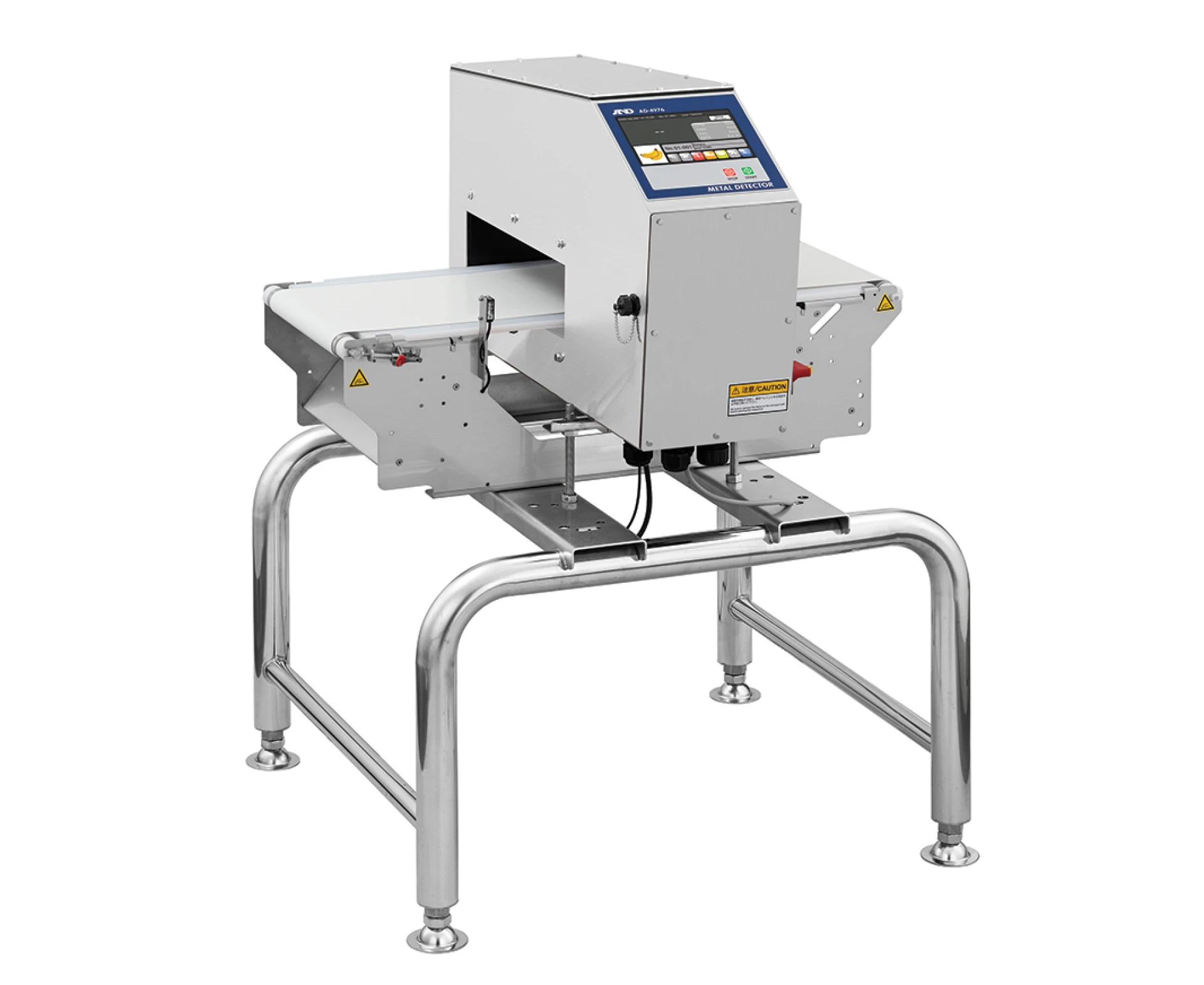
multifaceted. As the industry continues to evolve, staying abreast of the latest technologies and best practices in food inspection will be key for supply chain managers and food industry professionals. By investing in advanced inspection systems, businesses can not only comply with regulatory standards but also gain a competitive edge through enhanced efficiency, safety, and customer trust.



























Sign in to leave a comment.