

Food safety remains one of the biggest priorities in the global food manufacturing industry. Consumers expect safe, high-quality products, while regulatory authorities demand strict compliance with food safety standards. However, despite advanced production processes and quality control measures, human error continues to be a major contributor to food contamination incidents, product recalls, and compliance failures.
To minimise these risks, many food manufacturers are investing in advanced inspection technologies such as X-ray inspection systems. These systems help automate food safety checks, improve accuracy, and significantly reduce the possibility of human error during production.
From detecting foreign contaminants to verifying product integrity, X-ray inspection systems have become an essential part of modern food processing facilities.
Understanding Human Error in Food Manufacturing
Human error can occur at almost any stage of food production. Even highly trained employees may unintentionally make mistakes due to fatigue, distractions, repetitive tasks, inadequate training, or time pressure.
Common examples of human error in food manufacturing include:
- Failing to detect contaminated products
- Incorrect product labelling
- Missing damaged packaging
- Inconsistent quality inspections
- Inaccurate manual checks
- Improper handling of production equipment
- Failure to identify foreign materials
These mistakes can result in serious consequences, including:
- Product recalls
- Regulatory penalties
- Customer complaints
- Brand reputation damage
- Financial losses
- Foodborne illness risks
As production volumes increase and food safety regulations become stricter, relying solely on manual inspection processes is no longer sufficient.
What Are X-Ray Inspection Systems?
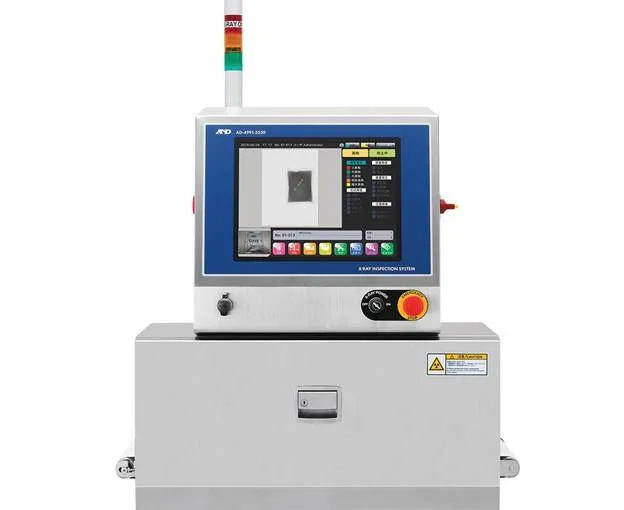
X-ray inspection systems are advanced food inspection machines that use low-energy X-rays to examine products for contaminants and quality issues.
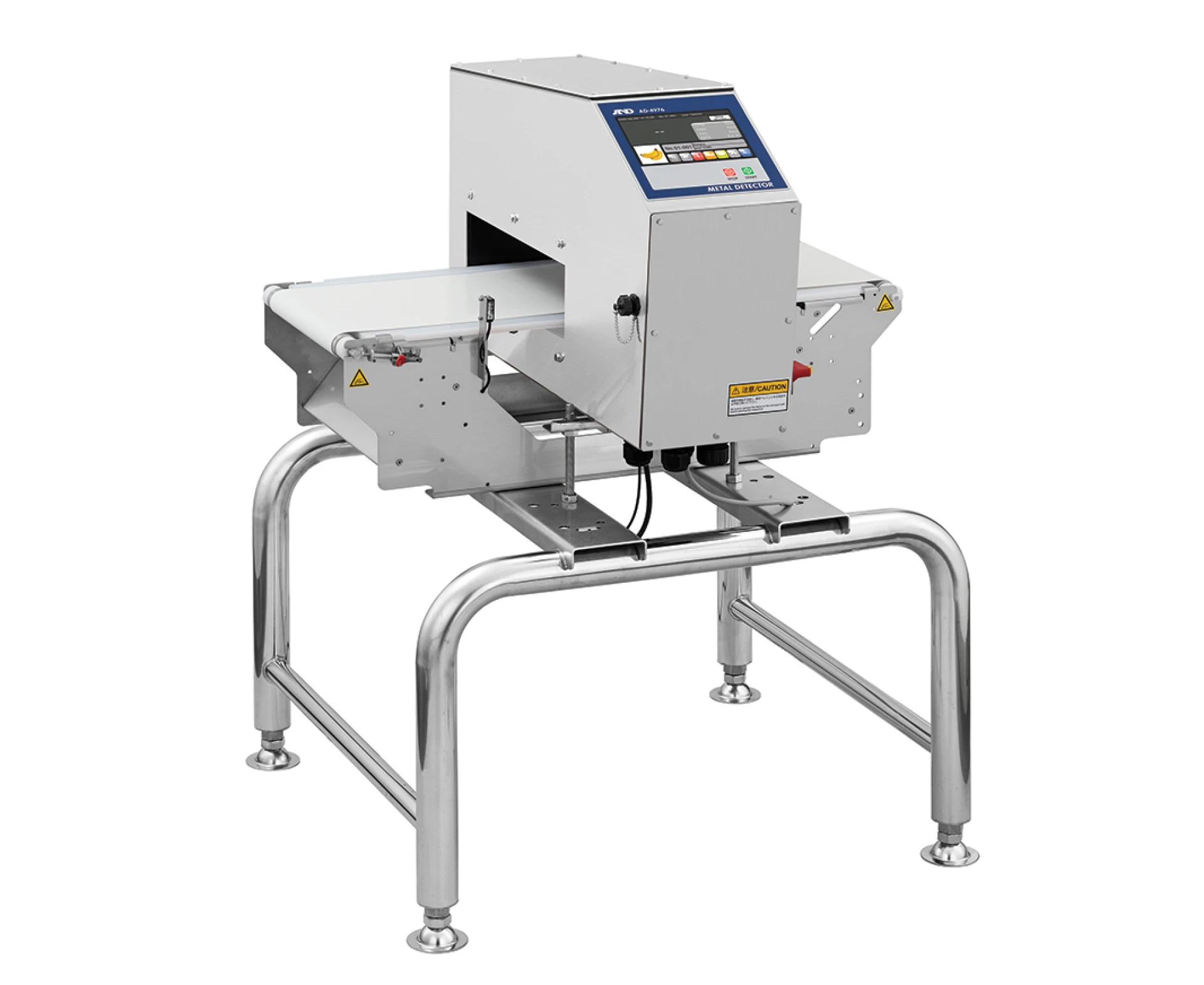
Unlike traditional metal detectors, X-ray systems can identify a wide range of foreign materials and product defects, including:
- Metal fragments
- Glass particles
- Stones
- Dense plastics
- Bone fragments
- Rubber materials
- Packaging defects
- Missing components
- Product inconsistencies
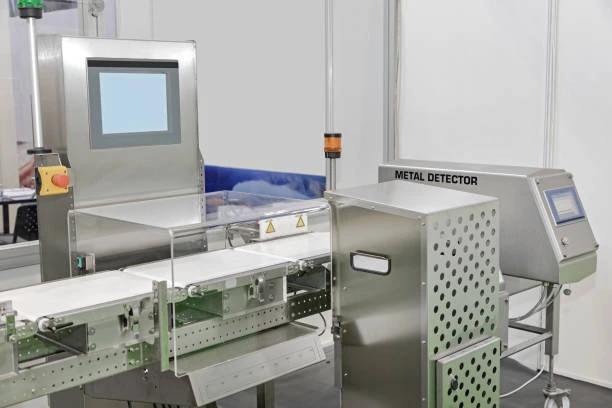
These systems inspect products automatically as they move through the production line, ensuring continuous monitoring without slowing production efficiency.
How X-Ray Inspection Systems Reduce Human Error
1. Automated Inspection Improves Accuracy
Manual inspection processes rely heavily on human attention and judgement, both of which can vary over time. Workers may overlook contaminants due to fatigue or repetitive tasks.
X-ray inspection systems automate the inspection process, providing consistent and highly accurate detection capabilities throughout production shifts.
Unlike manual inspections, automated systems do not become distracted or tired, making them more reliable for detecting contamination.
2. Detection of Hard-to-See Contaminants
Some contaminants are extremely difficult for workers to detect visually, especially when products are sealed or packaged.
X-ray systems can inspect products internally and identify contaminants hidden inside packaging or dense food products.
This capability is particularly valuable for:
- Packaged foods
- Frozen foods
- Dairy products
- Meat processing
- Bakery products
- Ready meals
Automated detection reduces the risk of contaminated products reaching consumers.
3. Consistent Quality Control
Human inspection methods may vary between employees, leading to inconsistent quality standards.
X-ray inspection systems apply the same inspection criteria to every product, ensuring uniform quality control across the entire production line.
This consistency helps manufacturers maintain:
- Product quality standards
- Food safety compliance
- Packaging accuracy
- Customer satisfaction
Consistent inspections also reduce disputes during audits and regulatory reviews.
4. Real-Time Monitoring & Instant Rejection
Modern X-ray inspection systems can instantly detect and reject contaminated or defective products without requiring manual intervention.
Automated reject mechanisms help prevent:
- Cross-contamination
- Incorrect products reaching packaging
- Unsafe products entering distribution
Real-time monitoring also enables production teams to identify recurring issues quickly and take corrective action before problems escalate.
5. Reduced Reliance on Manual Labour
Manual inspection processes are labour-intensive and can increase operational costs.
By automating inspection tasks, manufacturers can reduce dependency on manual quality control procedures while improving efficiency.
Employees can instead focus on:
- Process optimisation
- Equipment monitoring
- Preventive maintenance
- Compliance management
- Production improvements
This shift helps improve productivity while reducing inspection-related errors.
Key Food Safety Applications of X-Ray Inspection Systems
Foreign Object Detection
One of the primary uses of X-ray inspection systems is identifying foreign contaminants in food products.
These systems can detect contaminants that may not be visible externally, helping manufacturers prevent dangerous products from reaching consumers.
Package Integrity Inspection
X-ray systems can verify package integrity by identifying:
- Broken products
- Missing items
- Damaged packaging
- Underfilled products
- Overfilled products
This reduces packaging errors and improves customer confidence.
Mass Measurement & Product Consistency
Advanced systems can also measure product mass and consistency, helping manufacturers maintain accurate portion control and reduce product giveaway.
This is especially important for:
- Packaged snacks
- Frozen meals
- Meat products
- Bakery goods
Seal Inspection
Improperly sealed packaging can lead to contamination and reduced shelf life.
X-ray inspection systems help identify seal defects that may otherwise go unnoticed during manual inspections.
Industries Benefiting from X-Ray Inspection Systems
X-ray inspection technology is widely used across the food industry, including:
Meat & Poultry Processing
Detecting bone fragments and metal contamination is critical in meat processing facilities.
Dairy Industry
X-ray systems help inspect packaged dairy products for contaminants and packaging issues.
Bakery & Confectionery
Manufacturers use X-ray inspection to identify foreign materials and verify product integrity.
Seafood Processing
Seafood manufacturers rely on X-ray technology to detect shell fragments, bones, and packaging defects.
Ready-to-Eat Meals
Packaged meal producers use X-ray systems for comprehensive inspection before distribution.
Compliance with Food Safety Regulations
Food manufacturers must comply with strict food safety regulations and quality standards.
X-ray inspection systems help support compliance with:
- HACCP (Hazard Analysis Critical Control Point)
- GMP (Good Manufacturing Practice)
- ISO food safety standards
- FSMA (Food Safety Modernization Act)
- Retailer quality assurance programs
Automated inspection systems also provide detailed reporting and traceability data, which are valuable during audits and inspections.
Data Collection & Traceability Benefits
Modern X-ray systems generate valuable production data that can improve overall quality management.
Manufacturers can use inspection data to:
- Track contamination trends
- Identify recurring production issues
- Improve process control
- Support regulatory documentation
- Enhance traceability
Digital records reduce manual paperwork and minimise documentation errors.
Challenges of Implementing X-Ray Inspection Systems
While food X-ray inspection systems offer significant benefits, successful implementation requires proper planning.
Initial Investment Costs
Advanced inspection equipment can require a significant upfront investment.
However, many businesses recover costs through:
- Reduced recalls
- Lower waste
- Improved efficiency
- Reduced labour costs
- Better compliance
Operator Training
Employees still require training to operate and maintain the systems correctly.
Proper training helps maximise inspection accuracy and system performance.
Maintenance Requirements
Routine maintenance and calibration are necessary to ensure long-term reliability.
Preventive maintenance programs help minimise downtime and maintain inspection accuracy.
Best Practices for Maximising Food Safety
To achieve the best results from X-ray inspection systems, food manufacturers should:
- Conduct regular system validation
- Schedule preventive maintenance
- Train employees thoroughly
- Monitor inspection performance
- Integrate systems into HACCP plans
- Review inspection data regularly
- Establish clear contamination response procedures
Combining advanced technology with strong food safety practices creates a more reliable quality control system.
The Future of Food Safety Inspection
As food production becomes increasingly automated, X-ray inspection systems will continue to play a larger role in reducing human error and improving food safety.
Emerging technologies such as artificial intelligence, machine learning, and advanced data analytics are expected to further improve inspection accuracy and predictive maintenance capabilities.
Future systems may provide:
- Smarter contaminant detection
- Automated process optimisation
- Enhanced real-time analytics
- Improved integration with smart factories
- Greater operational efficiency
Final Thoughts
Human error remains one of the biggest challenges in food manufacturing, particularly when it comes to food safety and quality control. X-ray inspection systems provide a powerful solution by automating critical inspection tasks, improving detection accuracy, and reducing reliance on manual inspections.
From detecting contaminants to verifying packaging integrity and supporting regulatory compliance, these systems help manufacturers protect consumers, reduce recalls, and improve operational efficiency.
As food safety standards continue to evolve, investing in reliable X-ray inspection technology is becoming essential for businesses seeking to maintain product quality, minimise risks, and build long-term consumer trust.























Sign in to leave a comment.