

In today’s competitive and highly regulated marketplace, ensuring consistent product quality and adherence to industry standards is critical. One of the key mechanism’s businesses use to achieve this is compliance auditing. Among the most respected systems in the industry, AQS compliance audits have gained traction for their thoroughness and focus on quality and safety. But what exactly are AQS audits, and why should businesses prioritise them?
What Is AQS?
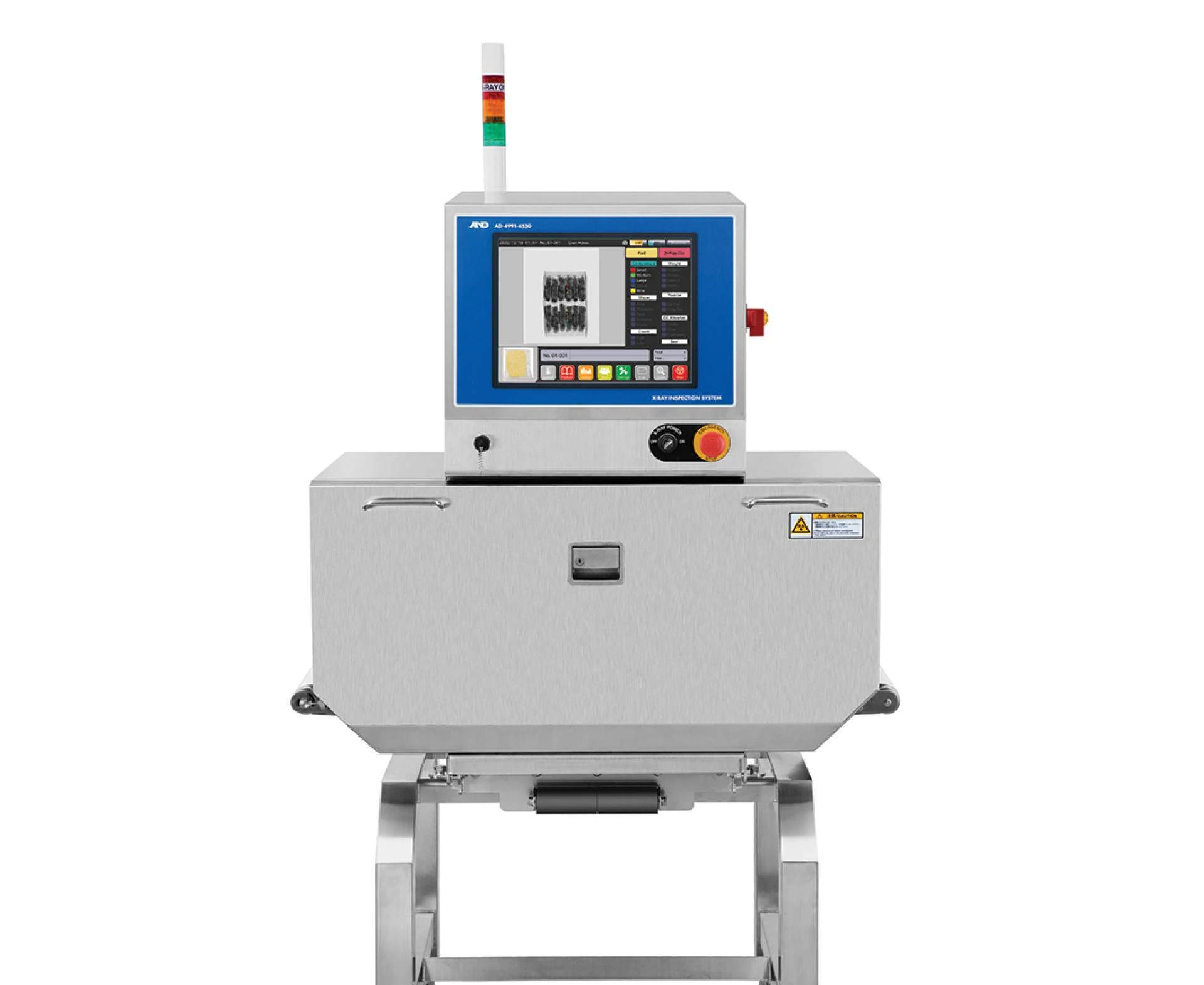
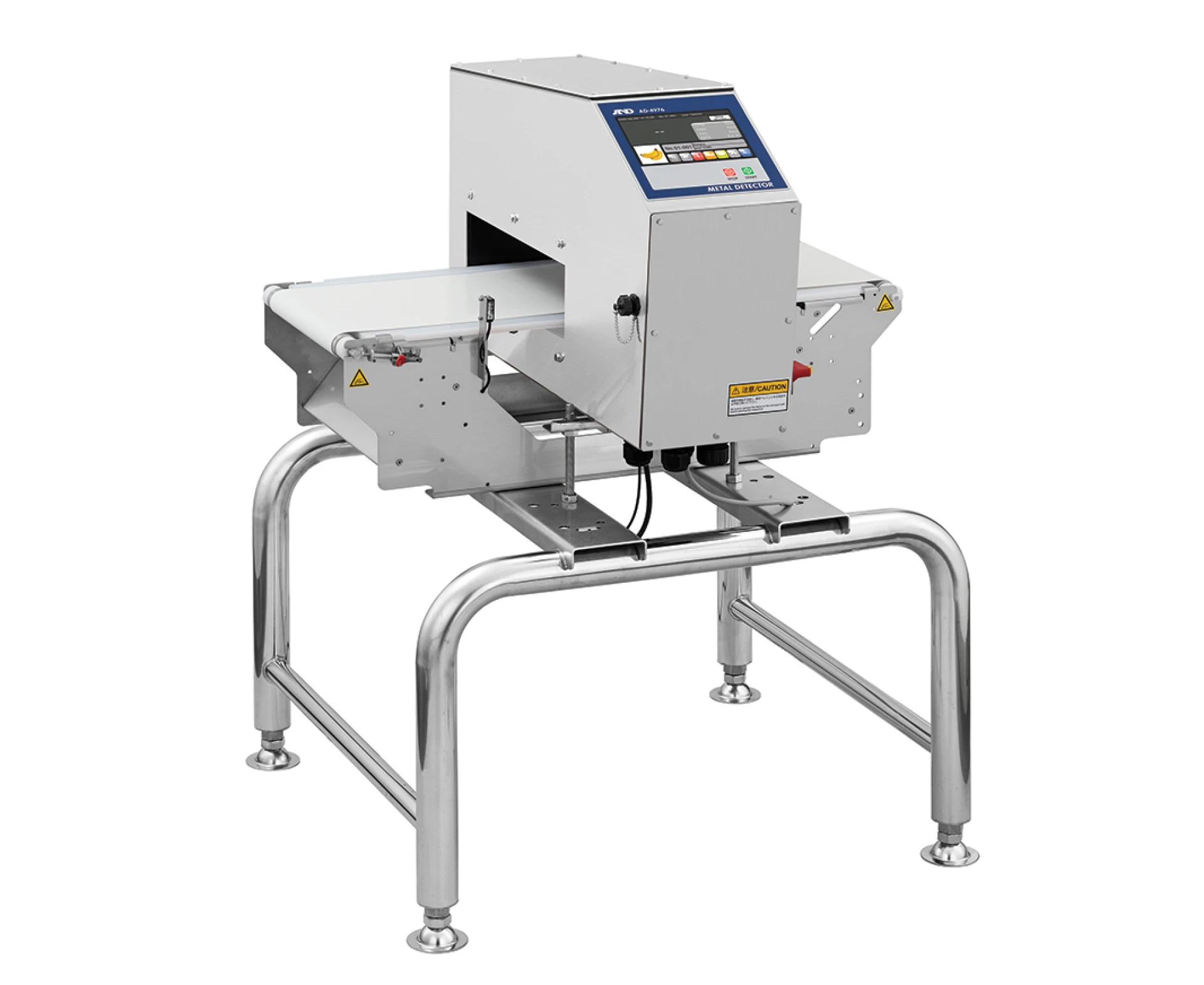
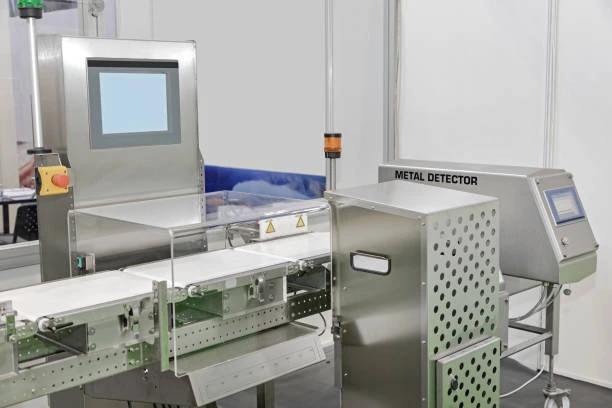
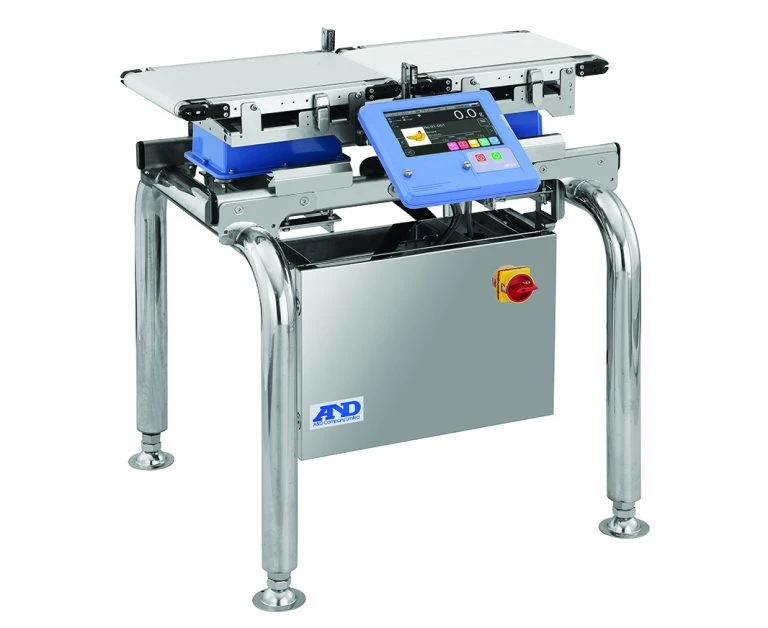
AQS stands for Average Quantity Systems, a framework designed to help businesses maintain strict quantity control throughout their production processes. It includes advanced tools like checkweighers, metal detectors, X-ray inspection systems, and software for data tracking and analysis. AQS is commonly used in industries such as food and beverage, pharmaceuticals, cosmetics, and manufacturing.
AQS compliance audits are formal assessments that evaluate how well a business’s quantity assurance processes align with industry standards and regulatory requirements. These audits ensure that automated inspection systems are functioning effectively and producing accurate, verifiable results.
Why Are AQS Compliance Audits Important?
1. Regulatory Compliance
Many industries are bound by government and international standards such as HACCP, GMP, ISO 22000, and FSMA. AQS audits provide a structured way to demonstrate compliance with these standards, helping companies avoid penalties or legal issues.
2. Product Quality and Consistency
AQS systems like checkweighers and X-ray inspection systems are only effective if they’re accurately calibrated and properly maintained. Audits verify that these systems are delivering reliable performance, ensuring consistent product quality.
3. Customer Confidence
AQS audit certifications serve as proof of a business’s commitment to quality. Customers, retailers, and third-party suppliers are more likely to trust companies that adhere to transparent and certified quality control systems.
4. Operational Efficiency
Identifying weaknesses or inefficiencies in the quality control process can lead to significant cost savings. Audits help businesses fine-tune their inspection systems, reduce waste, and minimise product recalls.
What’s Involved in an AQS Compliance Audit?
An AQS compliance audit typically consists of several key stages:
1. Pre-Audit Preparation
Before the audit, businesses should gather documentation related to their quality control systems. This may include:
- Equipment calibration records
- Maintenance logs
- Staff training certificates
- Standard operating procedures (SOPs)
- Inspection and testing protocols
- Past audit results and corrective actions
2. On-Site Inspection
An auditor will visit the facility to assess the physical inspection systems in use—such as checkweighers, metal detectors, and X-ray machines. The auditor will examine:
- Equipment performance and calibration
- Product flow and reject mechanisms
- Integration with data logging systems
- Hygiene and contamination control
- Operator proficiency and training
3. Process Verification
Auditors review how inspection systems are implemented in day-to-day operations. They’ll assess whether procedures align with documented SOPs and if operators follow best practices. This stage also verifies traceability and response mechanisms for non-conforming products.
4. Data and Record Review
Audit teams will review digital records, sensor data, and trend reports to ensure the inspection systems are accurately identifying product inconsistencies and faults. The ability to trace back product data is key for full compliance.
5. Audit Report and Recommendations
At the end of the audit, businesses receive a detailed report highlighting:
- Areas of non-compliance
- Opportunities for improvement
- Corrective action recommendations
- Overall audit score and certification status (if applicable)
Common Areas of Non-Compliance
Even well-managed facilities can face challenges during AQS audits. Some of the most common non-compliance issues include:
- Improper calibration of checkweighers or inspection equipment
- Inadequate documentation of equipment maintenance or training
- Incorrect or inconsistent rejection of non-conforming products
- Inadequate separation of rejected materials
- Data gaps in traceability or process verification
- Lack of internal audit processes or review mechanisms
Understanding these common issues can help businesses proactively correct them before a formal AQS audit takes place.
Tips for Preparing for an AQS Compliance Audit
Being audit-ready isn’t just about preparing documents at the last minute. It’s about integrating quality into every layer of your operations. Here’s how to prepare:
1. Schedule Routine Internal Audits
Conducting periodic internal audits helps identify weak areas early. Use the same audit checklist that AQS auditors follow to simulate real-world inspection.
2. Keep Equipment Calibrated
Ensure all checkweighers, X-ray systems, and metal detectors are regularly serviced and calibrated according to the manufacturer’s guidelines. Maintain calibration certificates as proof.
3. Train Your Staff
A well-trained team is critical. Regularly train employees on the use of inspection systems and SOPs. Keep records of all training sessions and updates.
4. Organise Documentation
Have an easily accessible folder or digital database with all relevant documents—SOPs, training logs, calibration records, maintenance reports, and previous audit findings.
5. Create a Corrective Action Plan
Have a documented procedure for handling non-conformities. Auditors want to see how your business identifies, investigates, and corrects issues when they arise.
Benefits of Passing an AQS Audit
Passing an AQS compliance audit brings numerous advantages beyond just ticking a regulatory box:
- Improved product safety and reduced risk of recalls
- Enhanced brand reputation
- Faster approvals from retailers or clients
- Better operational insights through system data
- Streamlined internal processes
- Peace of mind knowing you meet global standards
Final Thoughts
AQS compliance audits are not just a regulatory hurdle—they’re a vital part of a proactive, high-performing quality assurance strategy. Whether you manufacture packaged foods, pharmaceuticals, or industrial components, embracing the AQS framework ensures that your automated inspection systems are delivering consistent, safe, and high-quality products.
By investing time and resources into audit preparation, ongoing training, and continuous improvement, your business can achieve lasting operational excellence and build stronger trust with your customers and partners.





























Sign in to leave a comment.