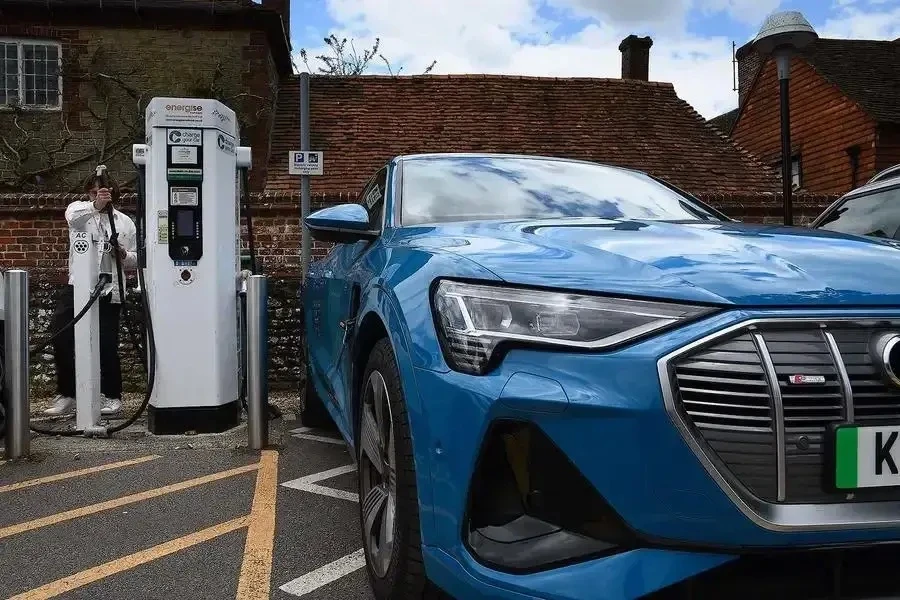

Home Level 2 EV Chargers: Fast, Efficient, and Future-Ready
Electric vehicles (EVs) have moved firmly into the mainstream, appealing to environmentally conscious drivers and tech enthusiasts alike. As EV adoption grows, so does the need for convenient and efficient home charging solutions. Among the options, Level 2 EV chargers stand out as the optimal choice for most households. They offer faster charging, higher energy efficiency, and smart features, making daily EV use practical and cost-effective.
This guide covers everything homeowners need to know about Level 2 chargers, including functionality, installation, costs, smart features, energy management, and long-term benefits.
Understanding Level 2 EV Chargers
What Is a Level 2 EV Charger?
Level 2 chargers operate on a 240-volt electrical circuit, similar to dryers, ovens, or water heaters. Unlike Level 1 chargers that use 120V outlets and provide slow charging, Level 2 chargers deliver much faster energy transfer, typically adding 20–40 miles of range per hour, depending on the vehicle’s battery and onboard charger.
Key Features
- Higher Voltage (240V): Enables faster charging
- Dedicated Circuit: Ensures safe, reliable operation
- Professional Installation: Complies with electrical codes and safety standards
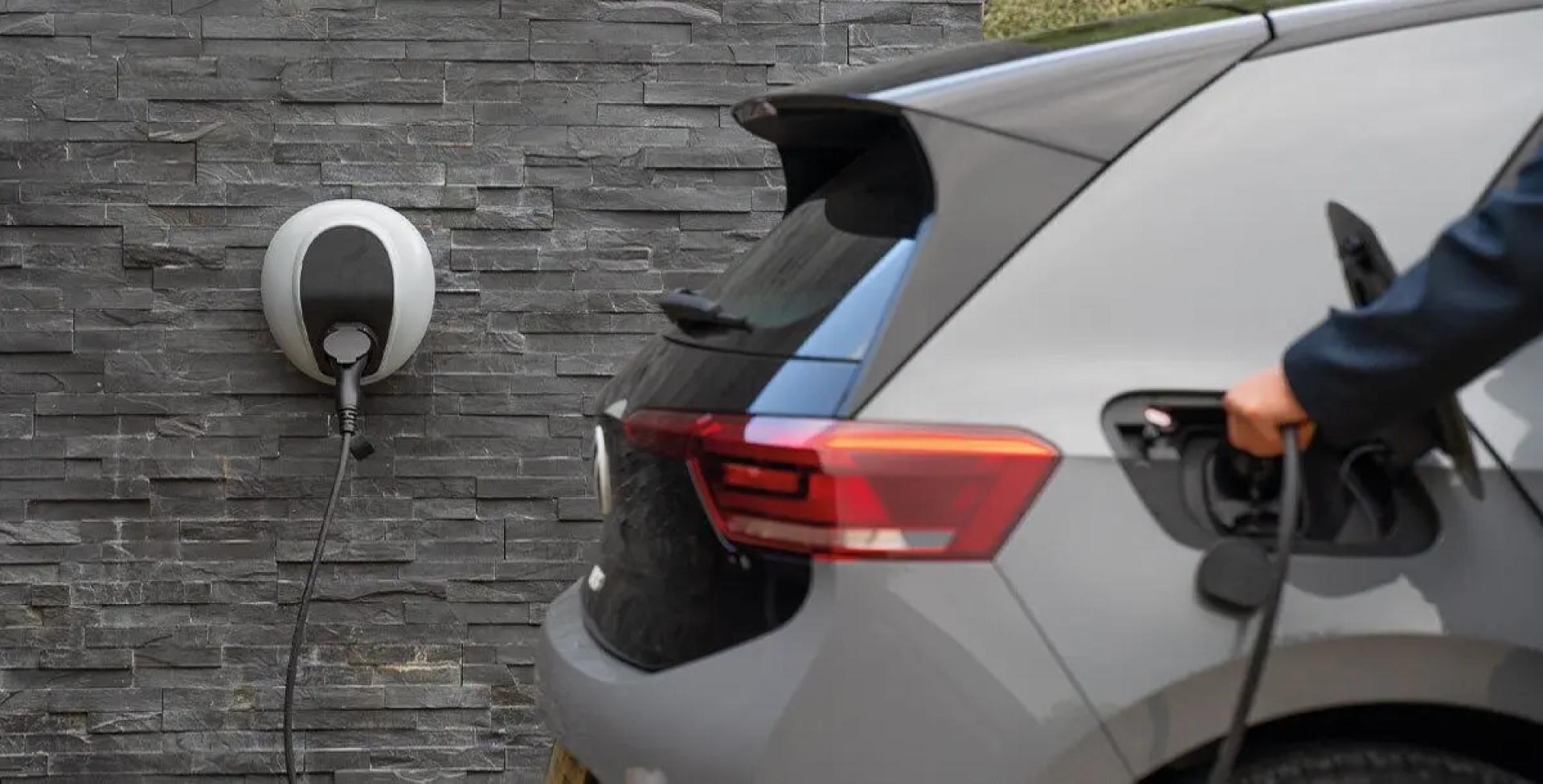
- Flexible Mounting: Wall or pedestal options for indoor or outdoor use
Level 2 chargers are ideal for daily commuters, households with multiple EVs, or vehicles with larger battery packs. They can reduce charging time from overnight to just a few hours, making EV ownership more convenient and energy-efficient.
Benefits of Home Level 2 EV Chargers
- Faster Charging: Complete most EV charges in 3–8 hours versus 8–20 hours with Level 1. Perfect for overnight charging.
- Energy Efficiency: Optimized power delivery reduces energy loss and lowers electricity cost per mile.
- Smart Features: Many Level 2 chargers allow users to:
- Schedule off-peak charging
- Monitor energy usage in real time
- Receive alerts and notifications
- Integrate with renewable energy sources like solar panels
- Safety and Reliability: Built-in protections include ground fault, overcurrent, surge protection, and temperature monitoring.
Installation Requirements
Electrical Circuit: Requires a dedicated 240V circuit (typically 30–50A). A professional electrician ensures panel capacity and safety compliance.
Location & Mounting:
- Wall-mounted chargers suit garages and driveways
- Pedestal-mounted chargers support multiple EVs or outdoor use
- Chargers should be near parking areas to reduce cable hazards
Permits & Compliance: Local codes may require permits. Proper installation ensures safe, reliable operation and avoids insurance or legal issues.
Costs of Home Level 2 Chargers
- Hardware: $400–$1,200 depending on brand, power, and smart features
- Installation: $500–$2,000 depending on panel upgrades, circuit installation, mounting, and permits
- Electricity: Off-peak rates can lower costs to 3–7 cents per mile
- Incentives: Tax credits, rebates, and installation subsidies can reduce upfront expenses
Choosing the Right Level 2 Charger
Consider these factors:
- Power Output: 3.3–19.2 kW; match your EV’s onboard charger for optimal speed
- Smart Features: Wi-Fi connectivity, scheduling, energy reporting
- Cable & Connector: 18–25 ft cable; ensure J1772 compatibility
- Durability: Outdoor chargers should be NEMA 4 or IP65 rated
Smart Charging Strategies
- Time-of-Use Rates: Charge during off-peak hours to save on electricity
- Energy Management Integration: Balance load with other home appliances
- Solar Integration: Use solar panels or home batteries to reduce grid reliance
Maintenance and Longevity
Proper care ensures long-term safety and performance:
- Inspect cables for wear and damage
- Check mounting hardware
- Clean connectors and charger surfaces
- Update firmware for smart chargers
With proper maintenance, Level 2 chargers can reliably serve households for 10+ years.
Comparison with Other Charging Options
| Feature | Level 1 | Level 2 | DC Fast Charging |
|---|---|---|---|
| Voltage | 120V | 240V | 400–800V+ |
| Charging Speed | 3–5 miles/hr | 20–40 miles/hr | 150–350 miles/hr |
| Installation Cost | None | $500–$2,000 | N/A (public) |
| Best For | Short commutes | Daily driving | Long trips |
Level 2 chargers offer the best balance of speed, cost, and convenience for home use.
Real-World Examples
- Single EV Household: 40-mile daily commute; Level 2 charger delivers full overnight charge at $0.07/mile.
- Multi-EV Household: Dual Level 2 chargers schedule off-peak charging, avoiding panel overload.
- Solar-Powered Home: Level 2 charger uses solar energy + home battery for near-zero-cost charging.
Common Questions
- Do I need a new panel? Possibly, if existing panel cannot handle a 240V circuit.
- Can it be installed outdoors? Yes, choose a weatherproof unit rated NEMA 4 or IP65.
- Is a smart charger necessary? Not required, but smart features maximize convenience and savings.
- How long does installation take? Usually 2–6 hours, depending on electrical upgrades.
Future Trends
- Vehicle-to-Grid (V2G) Integration: Feed energy back to the grid during peak hours
- Higher Power Chargers: Faster 19.2 kW Level 2 units
- Smart Grid Compatibility: Demand response and energy optimization
- Renewable Integration: Solar + battery systems paired with smart chargers
Conclusion
Home Level 2 EV chargers provide the perfect combination of speed, efficiency, and convenience. They make daily EV charging practical, cost-effective, and future-ready, supporting smart energy management, renewable integration, and advanced technologies like V2G.
With careful hardware selection, professional installation, and smart usage strategies, Level 2 chargers empower households to maximize safety, convenience, and long-term savings—making EV ownership seamless and sustainable.It's important to know about Google SEO to help your website rank higher in search results.
























Sign in to leave a comment.