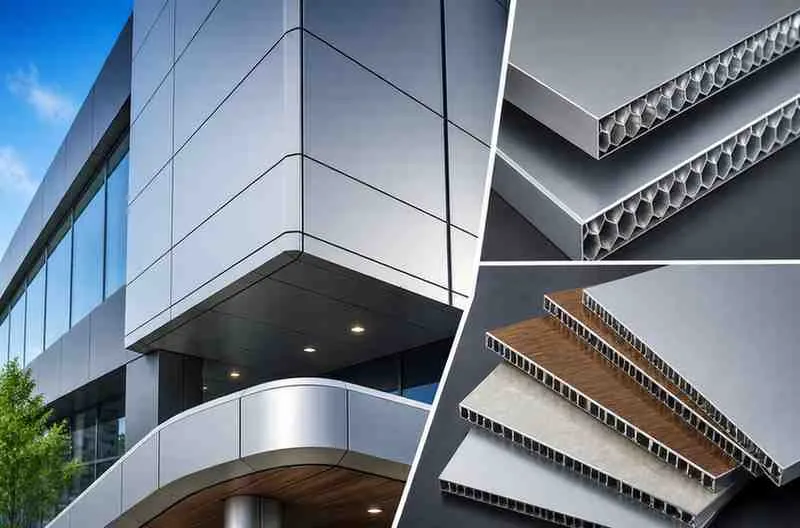

In today’s rapidly advancing construction and manufacturing industries, the demand for materials that combine strength, efficiency, and sustainability has never been higher. Architects, engineers, and designers are constantly searching for innovative solutions that deliver exceptional performance without adding unnecessary weight or cost. This is where honeycomb panels have emerged as a transformative material.
Known for their unique structural design, impressive strength-to-weight ratio, and versatile applications, honeycomb panels are widely used across architecture, aerospace, transportation, marine, and industrial sectors. Their advanced engineering allows them to provide remarkable durability while remaining lightweight, making them one of the most efficient modern materials available.
From sleek building facades to aircraft interiors, honeycomb panels are reshaping how industries approach structural design and performance.
What Are Honeycomb Panels?
Honeycomb panels are composite structures made by sandwiching a honeycomb-shaped core between two outer surface layers, often metal, aluminium, fiberglass, or other durable materials. The internal honeycomb core typically uses hexagonal cells, inspired by the natural geometry of a beehive.
This design provides exceptional structural efficiency by distributing weight and force evenly while minimizing material use.
Common components of honeycomb panels include:
- Outer skins (aluminium, steel, fiberglass, or composite materials)
- Honeycomb core (aluminium, paper, thermoplastic, or aramid)
- Bonding adhesives or lamination systems
The result is a panel that offers high rigidity, excellent strength, and lightweight performance.
Why Honeycomb Panels Are Gaining Popularity
The increasing adoption of honeycomb panels is driven by their ability to outperform many traditional materials in both architectural and industrial settings.
1. Outstanding Strength-to-Weight Ratio
One of the biggest advantages of honeycomb panels is their ability to provide superior strength while remaining significantly lighter than solid materials.
Benefits include:
- Reduced structural load
- Easier transportation
- Lower installation costs
- Improved fuel efficiency in transport applications
- Enhanced design flexibility
This makes honeycomb panels ideal for projects where weight reduction is essential without sacrificing durability.
2. Exceptional Structural Rigidity
Despite being lightweight, honeycomb panels offer excellent stiffness and resistance to bending or deformation. This makes them suitable for large surfaces that require flatness and stability.
Common applications include:
- Curtain walls
- Wall partitions
- Flooring systems
- Ceilings
- Doors
- Vehicle panels
Their structural reliability is one of the key reasons honeycomb panels are widely used in modern engineering.
3. Thermal and Acoustic Insulation
Honeycomb panels also provide functional advantages beyond structural strength.
Thermal Benefits:
The honeycomb core traps air, improving insulation and contributing to energy efficiency.
Acoustic Benefits:
The cellular design can reduce sound transmission, making honeycomb panels useful in:
- Airports
- Auditoriums
- Offices
- Hospitals
- Transportation systems
This combination of strength and comfort enhances their value across multiple sectors.
Applications of Honeycomb Panels in Modern Construction
The construction industry increasingly uses honeycomb panels because of their efficiency, durability, and aesthetic versatility.
Building Facades
Modern architectural projects often use honeycomb panels for external cladding because they provide:
- Lightweight performance
- Weather resistance
- Design flexibility
- Fire-resistant options
- Premium appearance
Interior Design
Honeycomb panels are frequently used in:
- Decorative wall systems
- False ceilings
- Partitions
- Elevator interiors
- Furniture components
Their sleek appearance and easy maintenance make them suitable for sophisticated interiors.
Roofing and Flooring
Large commercial structures often benefit from honeycomb panels due to their load-bearing capacity and lightweight structure.
Industrial Applications of Honeycomb Panels
Beyond architecture, honeycomb panels play a major role in industrial sectors.
Aerospace Industry
Aircraft manufacturers rely on honeycomb panels for:
- Cabin interiors
- Flooring
- Ceilings
- Storage compartments
Their lightweight design helps improve fuel efficiency while maintaining structural safety.
Automotive and Rail
Honeycomb panels are increasingly used in:
- Train interiors
- Bus panels
- Electric vehicle structures
These applications benefit from reduced weight and improved energy efficiency.
Marine Industry
Ships and offshore structures use honeycomb panels for corrosion resistance and performance in harsh environments.
Fire Safety Advantages
Safety is a critical concern in material selection, and many honeycomb panels are engineered to meet fire-resistant standards.
Fire-safe benefits may include:
- Non-combustible cores
- Reduced smoke generation
- Slower flame spread
- Compliance with modern building codes
This makes them suitable for high-risk environments and public infrastructure.
Sustainability and Environmental Benefits
Sustainability is a growing priority, and honeycomb panels support green building and eco-conscious manufacturing practices.
Efficient Material Usage
The honeycomb structure minimizes raw material use while maximizing strength.
Recyclability
Many honeycomb panels, especially aluminium variants, are recyclable.
Lower Transportation Emissions
Their lightweight design reduces fuel consumption during transport.
Long Lifespan
Durability reduces waste associated with frequent replacements.
For environmentally conscious projects, honeycomb panels are a strategic solution.
Honeycomb Panels vs Traditional Materials
| Feature | Honeycomb Panels | Solid Metal Sheets | Stone/Concrete |
|---|---|---|---|
| Weight | Very Light | Moderate | Heavy |
| Strength | High | Moderate | High |
| Thermal Efficiency | Good | Low | Moderate |
| Installation | Easy | Moderate | Complex |
| Sustainability | High | Moderate | Lower |
| Design Flexibility | Excellent | Good | Limited |
This comparison demonstrates why honeycomb panels are becoming increasingly popular.
Factors to Consider When Choosing Honeycomb Panels
Selecting the right honeycomb panels depends on project requirements.
Core Material
Choose based on strength, fire resistance, and intended use.
Skin Material
Aluminium, fiberglass, or steel skins impact durability and appearance.
Thickness
Different thicknesses offer varying levels of rigidity.
Fire Certification
Important for public or high-rise projects.
Environmental Exposure
Outdoor projects may require weather-resistant finishes.
The Future of Honeycomb Panels
As industries continue to prioritize lightweight engineering, energy efficiency, and sustainable design, honeycomb panels are expected to become even more prominent.
Future innovations may include:
- Smart building integration
- Modular construction systems
- Enhanced fire-safe cores
- Sustainable manufacturing technologies
- Aerospace advancements
Their adaptability positions honeycomb panels as a future-ready material.
Conclusion
Honeycomb panels represent one of the most advanced material solutions available in modern construction and industrial design. Their combination of lightweight strength, thermal efficiency, acoustic performance, and sustainability makes them a preferred choice for architects, engineers, and manufacturers worldwide.
Whether used in high-rise buildings, transportation systems, industrial machinery, or interior design, honeycomb panels provide an exceptional balance of performance and innovation. As global industries move toward smarter, safer, and more sustainable solutions, honeycomb panels will continue to lead the way in redefining structural excellence.

























Sign in to leave a comment.