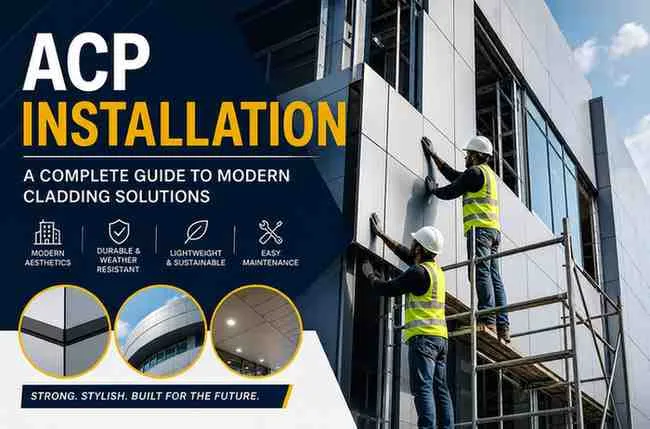

In modern architecture and construction, material selection plays a major role in defining a building’s appearance, performance, and long-term value. However, even the highest-quality cladding material can underperform if not installed correctly. This is why composite panel installation is one of the most critical stages in achieving durable, visually appealing, and structurally reliable results.
Composite panels, including aluminium composite panels (ACP) and other advanced cladding systems, are widely used for commercial facades, industrial structures, retail outlets, transportation hubs, and residential projects. Their popularity comes from their lightweight design, modern aesthetics, and weather resistance. But to fully unlock these benefits, proper composite panel installation is essential.
From planning and structural preparation to sealing and finishing, every stage of composite panel installation directly impacts safety, performance, and longevity.
What is Composite Panel Installation?
Composite panel installation refers to the process of attaching composite material panels to a building’s interior or exterior surfaces using engineered frameworks, fixing systems, and finishing methods.
These panels are generally made of layered materials, such as aluminium sheets bonded to a specialized core, designed to provide:
- Lightweight strength
- Thermal efficiency
- Visual appeal
- Weather resistance
Structural flexibility
The goal of composite panel installation is to ensure these panels are securely mounted, properly aligned, and capable of withstanding environmental and structural stress over time.
Why Proper Composite Panel Installation Matters
1. Structural Safety
A correctly executed composite panel installation ensures the cladding system remains stable against wind pressure, building movement, temperature changes, and external impact.
Improper installation can lead to:
- Loose panels
- Structural instability
- Water infiltration
- Surface warping
- Safety hazards
2. Aesthetic Excellence
One of the biggest reasons for using composite panels is their sleek, seamless look. High-quality composite panel installation ensures:
- Straight panel lines
- Uniform spacing
- Precision corners
- Smooth surfaces
This is especially important for premium architectural projects where appearance matters.
3. Weather Protection
Exterior composite panel installation acts as a protective barrier against:
- Rain
- UV rays
- Dust
- Humidity
- Pollution
Professional installation includes waterproofing and thermal expansion allowances, which are essential for long-term performance.
4. Cost Efficiency
Correct composite panel installation reduces maintenance costs, prevents premature repairs, and extends the life of the cladding system.
Types of Composite Panel Installation Systems
Different projects require different installation approaches depending on design complexity, building type, and budget.
Cassette System Installation
This advanced method involves folding composite panels into cassette-like trays and attaching them to concealed support systems.
Benefits:
- Premium appearance
- Hidden fasteners
- Improved weather resistance
- Better structural performance
Rivet Fixing System
A more economical system where visible rivets secure panels to the framework.
Benefits:
- Cost-effective
- Faster installation
- Suitable for industrial or large-scale projects
Hanging System
Often used for high-rise facades and specialized commercial structures requiring precision engineering.
Structural Glazing Integration
Used when composite panels are combined with glass facades for modern architectural designs.
Step-by-Step Composite Panel Installation Process
Step 1: Site Assessment and Planning
Every successful composite panel installation begins with proper planning.
This includes:
- Site measurements
- Structural analysis
- Wind load calculations
- Drainage considerations
- Fire safety compliance
- Design specifications
Accurate planning minimizes errors and material wastage.
Step 2: Framework Preparation
The substructure is the backbone of composite panel installation. Aluminium or galvanized steel frameworks are commonly used.
A strong framework should be:
- Level
- Corrosion-resistant
- Securely anchored
- Properly spaced
Without a reliable support structure, even premium panels can fail.
Step 3: Panel Fabrication
Composite panels are cut, bent, folded, or routed according to project design.
Precision fabrication ensures:
- Accurate dimensions
- Smooth alignment
- Reduced on-site modification
- Faster installation
Step 4: Panel Mounting
Panels are fixed to the prepared framework using rivets, screws, adhesives, or concealed systems.
Important considerations include:
- Expansion gaps for temperature changes
- Joint spacing
- Alignment checks
- Corner finishing
Step 5: Sealing and Finishing
Proper sealing is essential in composite panel installation to prevent water leakage and environmental damage.
Sealants improve:
- Moisture resistance
- Thermal insulation
- Dust prevention
- Long-term durability
Common Challenges in Composite Panel Installation
Even advanced materials can face issues if installation is not handled correctly.
Thermal Expansion Problems
Composite materials expand and contract with temperature changes. Failing to allow proper movement can cause:
- Buckling
- Cracking
- Distortion
Poor Framework Quality
Weak or misaligned support structures can compromise the entire system.
Inadequate Waterproofing
Improper sealing can lead to internal damage and corrosion.
Installation Errors
Misalignment or incorrect spacing can negatively affect both appearance and performance.
Safety Considerations in Composite Panel Installation
Safety is especially important for high-rise and public projects.
Best practices include:
- Using fire-rated panels where required
- Following manufacturer guidelines
- Ensuring certified labor
- Conducting load testing
- Meeting local building regulations
Professional composite panel installation should always prioritize compliance and risk prevention.
Benefits of Hiring Professional Installers
Experienced contractors bring technical knowledge that ensures optimal results.
Advantages include:
- Precision workmanship
- Regulatory compliance
- Reduced project delays
- Better finishing quality
- Warranty support
Choosing skilled professionals can significantly improve project outcomes.
Maintenance After Composite Panel Installation
Routine maintenance helps preserve appearance and performance.
Recommended practices:
- Regular cleaning with non-abrasive products
- Sealant inspections
- Checking for loose fixings
- Monitoring drainage systems
- Annual façade reviews
A well-maintained composite panel installation can last for decades.
Future Trends in Composite Panel Installation
As construction technology evolves, composite panel installation is becoming smarter and more efficient.
Emerging innovations include:
- Modular installation systems
- Smart façade integration
- Sustainable fixing technologies
- Advanced fire-safe systems
- Improved insulation solutions
These developments are shaping the future of architectural cladding.
Conclusion
Composite panel installation is far more than a construction step—it is the foundation for achieving safe, durable, and visually impressive building performance. From structural planning and fabrication to mounting and maintenance, every phase plays a crucial role in ensuring long-term success.
Whether used for commercial facades, industrial facilities, or premium residential spaces, professional composite panel installation maximizes the benefits of modern cladding materials. By prioritizing proper techniques, certified materials, and expert execution, developers and architects can create structures that combine style, strength, and sustainability.
In today’s competitive construction environment, investing in quality composite panel installation is not just a technical decision—it is a strategic investment in building excellence.





















Sign in to leave a comment.