

In modern architecture, safety has become just as important as aesthetics and structural performance. As cities expand vertically and buildings become more complex, the materials used in construction are under greater scrutiny—especially when it comes to fire resistance. Among the many materials used for exterior and interior cladding, Aluminium Composite Panels (ACP) remain a popular choice because of their lightweight structure, durability, and design versatility. However, one factor that can never be overlooked is ACP fire rating.
Understanding ACP fire rating is essential for architects, developers, contractors, and property owners who want to ensure safer, regulation-compliant buildings. Whether designing a high-rise commercial tower, a hospital, a shopping mall, or a residential project, choosing ACP panels with the right fire rating can make a significant difference in both safety and long-term performance.
What is ACP Fire Rating?
ACP fire rating refers to the classification of aluminium composite panels based on how they perform under fire conditions. This rating measures a panel’s resistance to ignition, flame spread, smoke production, and combustibility.
ACP sheets are generally made with:
- Two outer aluminium sheets
- A core material (polyethylene, mineral-filled, or fire-retardant core)
The core plays the biggest role in determining ACP fire rating. Standard polyethylene cores may be more combustible, while fire-retardant or mineral-filled cores are specifically designed to improve fire safety.
Why ACP Fire Rating is Important
As ACP is widely used in facades and wall systems, its fire performance can directly impact building safety. Poorly rated panels may contribute to faster flame spread, while properly certified ACP can slow down fire progression.
Key reasons ACP fire rating matters include:
- Enhanced occupant safety
- Reduced flame spread
- Lower smoke generation
- Better evacuation time
- Compliance with local and international fire regulations
- Improved building protection
For high-occupancy or high-rise structures, ACP fire rating is often a critical regulatory requirement.
Common ACP Fire Rating Classifications
Different regions may use different standards, but most ACP fire rating systems fall into several common categories.
Class A2
This is one of the highest ACP fire rating levels, indicating very limited combustibility. Panels with this rating are often preferred for large public buildings and critical infrastructure.
Class B1
These panels offer strong fire-retardant properties and are suitable for many commercial applications.
FR Grade ACP
FR (Fire Retardant) ACP includes mineral-filled cores and generally performs significantly better than standard ACP.
Standard ACP
Standard ACP often uses polyethylene cores and may have lower ACP fire rating, making it less suitable for projects with strict fire safety standards.
ACP Fire Rating and Building Regulations
As fire safety awareness grows, governments and construction authorities are implementing stricter regulations around cladding materials.
Projects commonly requiring higher ACP fire rating include:
- High-rise towers
- Airports
- Shopping malls
- Hospitals
- Educational institutions
- Public infrastructure
Failing to meet ACP fire rating standards can lead to compliance issues, legal penalties, and serious safety risks.
How ACP Fire Rating Affects Material Selection
Choosing ACP based solely on appearance or price can be risky. Fire performance should always be a priority.
Factors to consider:
Core Composition
Mineral-filled and fire-retardant cores generally offer stronger ACP fire rating.
Fire Certification
Always verify testing certifications from recognized safety authorities.
Application Type
Exterior facades, especially in tall buildings, often require higher ACP fire rating than interior decorative uses.
Local Compliance
Different countries and cities may have specific fire safety codes.
Benefits of Fire-Rated ACP Panels
1. Improved Safety
Panels with stronger ACP fire rating can reduce fire spread and improve occupant protection.
2. Better Regulatory Compliance
Using certified materials can simplify approvals and inspections.
3. Enhanced Property Value
Buildings with safer materials may be viewed more favorably by investors, insurers, and tenants.
4. Long-Term Risk Reduction
Better ACP fire rating can reduce liability and improve peace of mind.
ACP Fire Rating vs Standard ACP
| Feature | Fire-Rated ACP | Standard ACP |
|---|---|---|
| Core Material | Mineral-filled | Polyethylene |
| Fire Resistance | High | Lower |
| Flame Spread | Reduced | Faster |
| Smoke Emission | Lower | Higher |
| Compliance | Stronger | Limited |
| Cost | Higher | Lower |
Although fire-rated ACP may cost more initially, the long-term safety and compliance benefits often outweigh the price difference.
Common Myths About ACP Fire Rating
“All ACP Panels Are Fireproof”
This is incorrect. Not all ACP materials offer the same fire resistance.
“Fire-Rated ACP Looks Different”
Modern fire-rated ACP panels are available in the same premium finishes and styles as standard panels.
“Higher ACP Fire Rating Is Only for Commercial Buildings”
Even residential and mixed-use structures can benefit significantly from safer materials.
Sustainability and ACP Fire Rating
Many advanced ACP solutions now combine fire safety with sustainability.
Benefits may include:
- Recyclable aluminium surfaces
- Better thermal insulation
- Longer lifespan
- Lower maintenance requirements
This means strong ACP fire rating can support both safety and environmentally conscious construction goals.
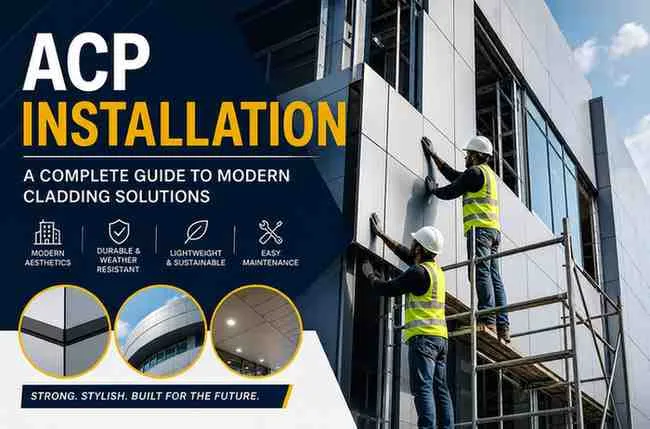
Installation and ACP Fire Rating
Even the best-rated ACP can underperform if installation is poor.
Proper installation should include:
- Certified substructures
- Correct spacing for expansion
- Fire-safe detailing
- Waterproof sealing
- Professional workmanship
Installation quality is a crucial part of maximizing ACP fire rating performance.
Future of ACP Fire Rating
As urban development continues and safety regulations evolve, ACP fire rating will likely become even more important.
Future trends include:
- More advanced fire-resistant core technologies
- Improved testing standards
- Sustainable fire-safe materials
- Smart building envelope systems
This shift will push manufacturers and builders toward safer and more responsible material choices.
Conclusion
ACP fire rating is one of the most important considerations in modern construction, especially as safety standards continue to rise. While ACP remains a valuable material for design flexibility, durability, and aesthetics, its fire performance should never be overlooked.
By understanding ACP fire rating, selecting certified fire-retardant panels, and ensuring proper installation, developers and architects can create buildings that are not only visually impressive but also safer and more regulation-compliant.
In today’s construction environment, fire safety is not optional—it is essential. Prioritizing ACP fire rating is a smart investment in building safety, occupant protection, and future-ready design.


























Sign in to leave a comment.