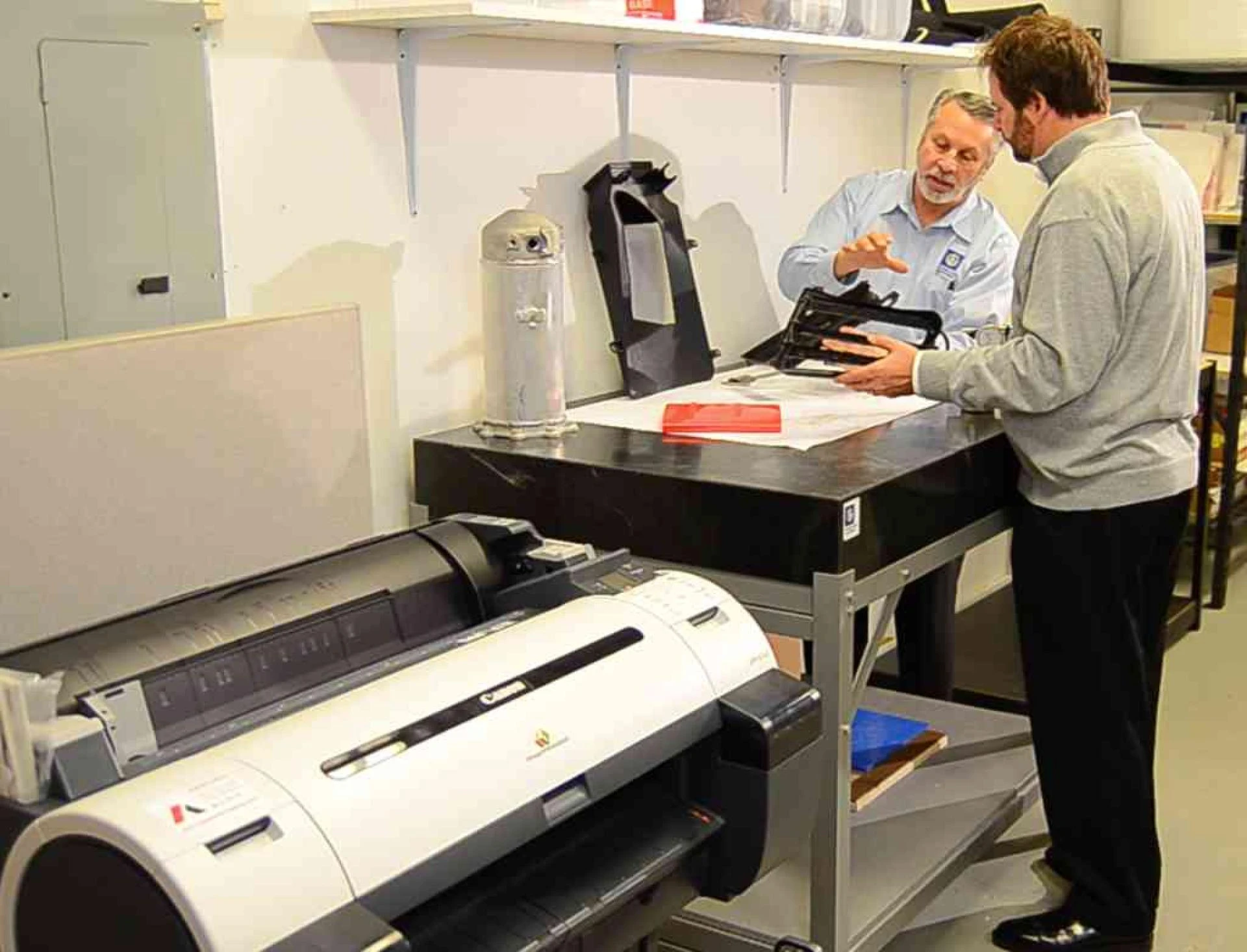

3D printing has shifted from a prototyping novelty to a critical manufacturing method for businesses in the automotive, aerospace, and consumer goods sectors. It redefines how companies approach custom manufacturing by producing complex designs quickly and with fewer limitations.
Unlike traditional methods, additive 3D printing prototype services focus on building parts layer by layer. This enables greater precision, material efficiency, and speed; all essential for industries where timelines and accuracy directly influence competitiveness.
Why 3D Printing Matters for Custom Projects
Custom manufacturing demands solutions that address specific design and performance requirements. 3D printing offers distinct advantages:
- Design Freedom: Produce complex geometries without traditional tooling limitations.
- Speed to Market: Rapid turnaround allows businesses to validate designs sooner.
- Material Versatility: Advanced polymers, composites, and metal powders meet varied performance needs.
- Cost Efficiency: Lower setup costs make it viable for both prototypes and low-volume production.
For industries in the US, these benefits translate into faster design validation and more substantial alignment with customer demands.
Automotive Applications of 3D Printing Prototypes
The automotive sector has embraced rapid prototyping 3D printing for both conceptual and functional components. Designing, testing, and refining custom prototypes, including automotive LED lighting assemblies, is easier even within compressed timelines.
Businesses no longer rely solely on traditional mold-based methods for prototypes. Instead, additive manufacturing supports:
- Lightweight structures that meet performance standards
- Tailored designs for interior and exterior trim
- Rapid iterations to refine optical clarity in lighting systems
This reduces risk while ensuring design accuracy before moving into mass production.
3D Printing for Aerospace and High-Performance Manufacturing
In aerospace, custom manufacturing requires more than speed; it requires unmatched reliability. 3D printing helps create parts with precise tolerances while using materials engineered for high-stress environments.
Key aerospace applications include:
- Low-volume production of interior cabin components
- Complex ducting systems for airflow management
- Prototype tooling to simulate real-world conditions
By reducing reliance on conventional tooling, 3D printing shortens development timelines and supports innovation in high-performance environments.
3D Printing in Consumer Goods Manufacturing
For consumer goods, customization is no longer optional; it is an expectation. 3D printing services in Michigan allow manufacturers to meet specific consumer preferences while controlling cost. From product housings to functional accessories, additive manufacturing delivers speed and adaptability without compromising quality.
By combining CNC machining, plastic models, and rapid prototyping, businesses create a well-rounded product development process that balances precision and flexibility.
The Role of 3D Printing in Low-Volume Production
Beyond prototyping, 3D printing supports low-volume production runs. This is especially valuable for companies seeking to bridge the gap between prototype validation and full-scale manufacturing.
Advantages include:
- Shorter lead times for pilot programs
- Reduced financial risk when entering new markets
- The ability to customize parts for niche applications
For industries where market demand is unpredictable, this flexibility reduces excess inventory and accelerates product launch cycles.
Building the Future of Custom Manufacturing
3D printing has become a cornerstone of modern custom manufacturing, enabling businesses to achieve faster product cycles, lower costs, and higher precision. Its role in industries such as automotive, aerospace, and consumer goods continues to expand, supporting both prototypes and low-volume production.
Organizations looking to leverage advanced 3D printing prototype services can benefit from its ability to accelerate project schedules and support innovative designs.
Ready to see how 3D printing can accelerate manufacturing goals? Contact Global Technology Ventures Inc. today.























Sign in to leave a comment.