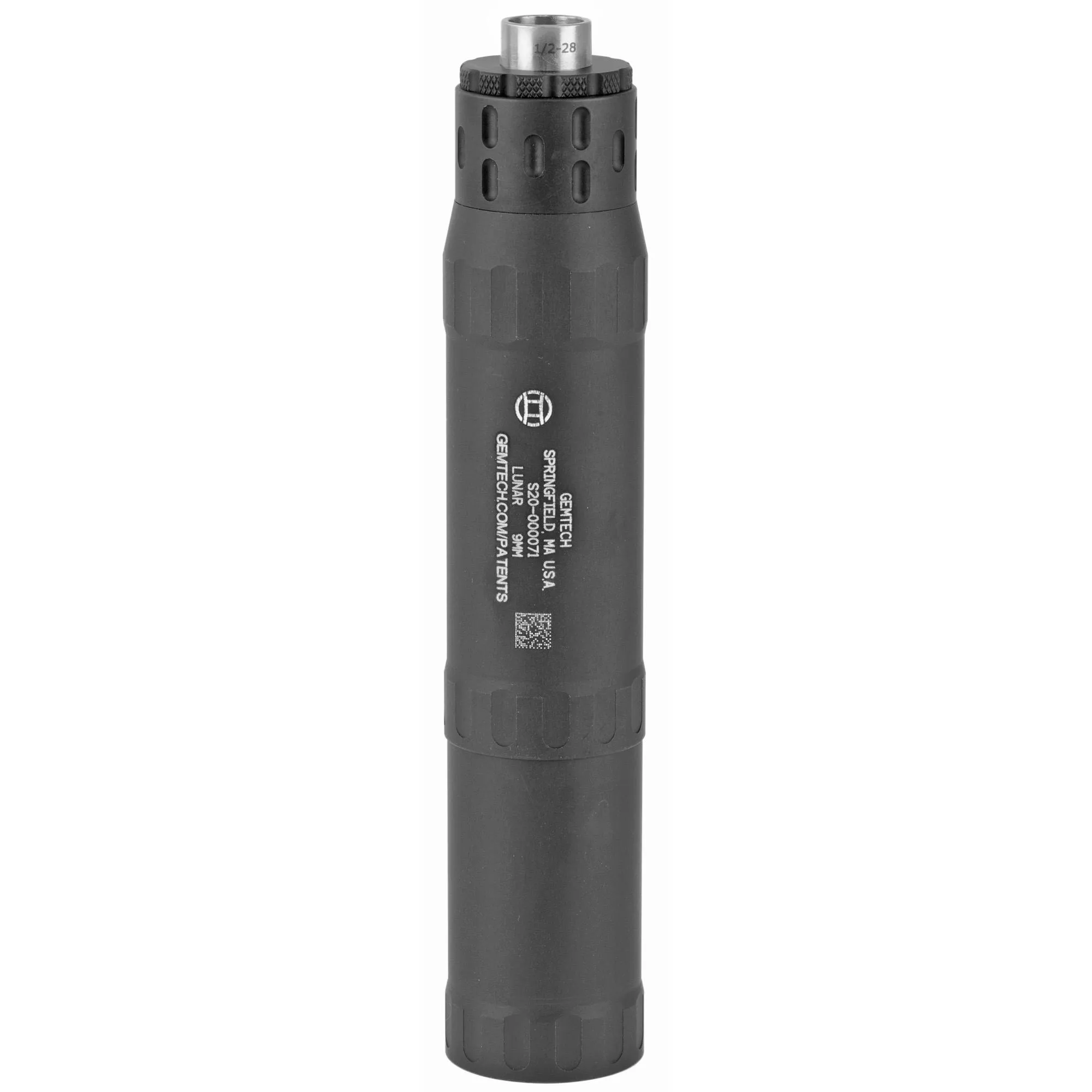

Modern 9mm silencers are built around a simple design challenge: keeping the overall package manageable without giving up useful performance characteristics. A compact profile can make a suppressor less noticeable on a compatible firearm, but reducing its size also changes the amount of internal space available for managing expanding gases.
Manufacturers have to consider length, diameter, materials, internal geometry, weight, and heat management together. That is why two 9mm silencers can have noticeably different dimensions while serving similar applications.
Understanding these design choices helps explain how modern suppressors balance a smaller footprint with the characteristics users expect from contemporary equipment.
Overall Length
Length is one of the most visible factors when discussing compact suppressor design. A longer body can provide additional internal space for controlling expanding gases, while a shorter body creates a more compact overall package.
Manufacturers, therefore, have to find a practical middle ground between these competing priorities. Shorter designs may be appealing when overall firearm length matters, while longer models can provide more room for internal structures.
The ideal balance depends on the intended application and the manufacturer's specifications. Rather than assuming that shorter automatically means better, it is useful to consider how the chosen length fits the host firearm and the intended use.
Internal Volume
Internal volume plays an important role in how a silencer is designed. As expanding gases enter the suppressor, the internal structure provides space for those gases to slow and disperse before exiting. Reducing the overall size can also reduce this available space, which creates an important engineering tradeoff.
Manufacturers may use carefully designed internal geometry to make effective use of the available volume without making the suppressor unnecessarily large.
This is one reason compact suppressors can have sophisticated internal structures despite their relatively small exterior dimensions. The relationship between internal volume and external size is a central part of modern suppressor engineering.
Diameter and Profile
Reducing length is not the only way to make a suppressor compact. Diameter also affects the overall profile and internal volume. A slightly wider body can provide additional internal space without adding as much length, although it can also change the appearance and handling characteristics of the firearm. Manufacturers have to weigh these considerations when developing a particular model. The exterior profile may also be shaped around the internal baffle arrangement and mounting system.
These choices demonstrate how compactness involves more than simply cutting down the length. Width, shape, and internal construction all contribute to the final balance between size and performance.
Material Choices
Material selection can help manufacturers manage the weight associated with a suppressor. Aluminum, stainless steel, titanium, and other materials each offer different combinations of weight, strength, durability, and heat resistance.
A lightweight material can help keep a compact suppressor from becoming unnecessarily heavy at the front of a firearm. More robust materials may be selected when durability and heat tolerance are higher priorities.
Some designs combine materials to achieve different characteristics throughout the suppressor. These decisions become particularly important when manufacturers are trying to maintain a small overall package without creating an excessive weight penalty.
Heat Management
A compact suppressor still needs to deal with substantial heat during firing. Internal gases transfer heat into the suppressor, and repeated use can cause temperatures to rise quickly.
Smaller dimensions can leave less physical mass and surface area available for managing that heat, making material selection and internal construction important considerations. Manufacturers may design models around specific firing schedules and applications rather than trying to make every suppressor suitable for every possible use.
This is why published specifications and usage limitations matter. Compactness should always be considered alongside the manufacturer's guidance on heat, durability, and intended operating conditions.
Weight Distribution
Compactness also affects how a firearm feels in the hands. Adding equipment to the front of a firearm can shift its balance, and a heavier suppressor may make that change more noticeable. A compact, lightweight design can reduce the overall effect, although the exact result depends on the host firearm and its existing configuration.
Manufacturers, therefore, consider weight as part of the complete design rather than treating it as a separate issue. Length and weight work together to influence the overall feel. A suppressor that looks compact on paper may still handle differently depending on its mass and where that mass is positioned.
Host Firearm Compatibility
Performance cannot be considered separately from the firearm hosting the suppressor. Different 9mm platforms can have different barrel lengths, operating systems, mounting arrangements, and manufacturer requirements. A suppressor designed for one application may not be appropriate for another. Compactness also has different practical implications depending on the size and configuration of the host firearm.
Checking caliber ratings, mounting specifications, barrel requirements, and manufacturer guidance is therefore essential. Compatibility provides the foundation for evaluating any suppressor. A compact design only makes sense when it is properly matched to a compatible firearm and used within the manufacturer's stated limitations.
Design Tradeoffs
There is no universal formula for making a suppressor both extremely compact and capable of every possible performance goal. Every reduction in size can influence internal volume, heat capacity, weight, and other characteristics.
Manufacturers have to decide which priorities matter most for a particular model. Some designs may emphasize minimum length, while others may favor durability, lower weight, or additional internal volume.
These tradeoffs are what make different 9mm suppressors distinct. Instead of looking for the smallest option available, it is more useful to evaluate how its dimensions, materials, construction, and specifications fit the intended application.
Final Thoughts
Modern 9mm silencers balance compactness and performance through careful choices involving length, diameter, internal volume, materials, heat management, and weight. A smaller profile can offer practical advantages, but reducing size always involves engineering tradeoffs.
The best way to compare different models is to look at their complete specifications and intended applications rather than focusing on dimensions alone. Manufacturer ratings, compatibility requirements, and applicable laws should also guide any decision involving suppressor equipment.
Ultimately, modern design is about finding a sensible balance between a manageable footprint and the performance characteristics the specific application calls for.























Sign in to leave a comment.