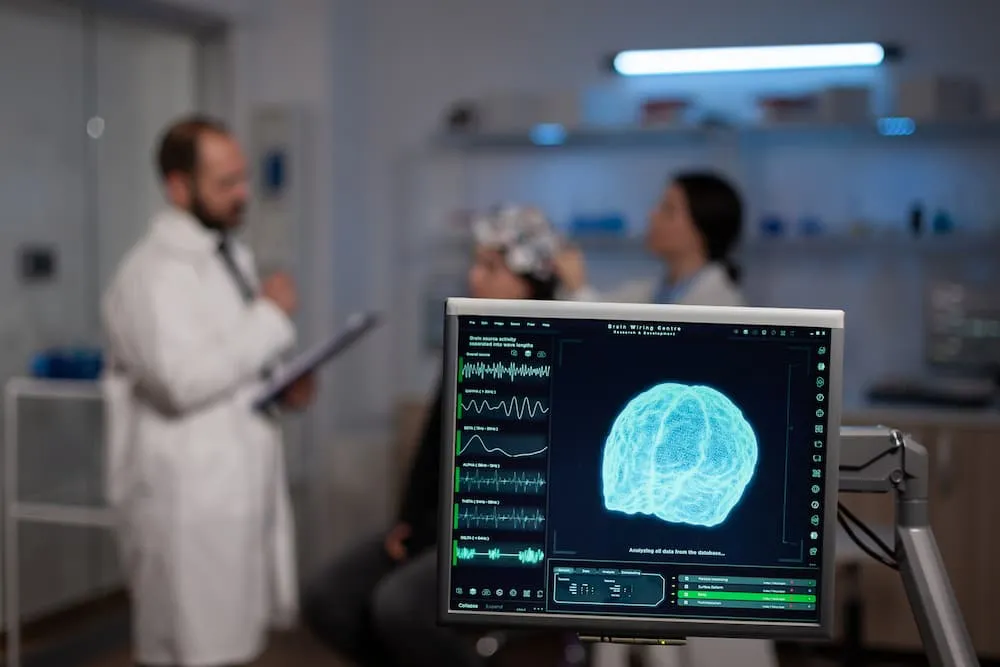

The human brain controls movement, memory, emotions, speech, and countless other functions that influence daily living. When neurological conditions affect these abilities, patients often experience significant physical and emotional challenges. A skilled brain surgeon plays a vital role in diagnosing and treating conditions that impact brain function, helping individuals regain independence, reduce symptoms, and improve their overall quality of life. Through advanced surgical techniques and personalized treatment planning, these specialists work to restore health and support long term well being for people facing a wide range of neurological disorders.
Understanding the Role of a Brain Surgeon
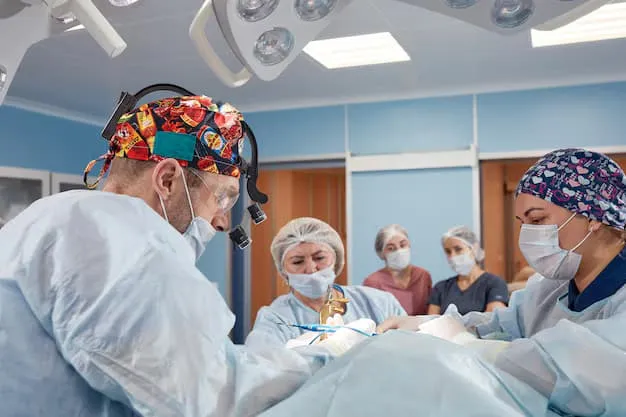
A brain surgeon is a highly trained medical specialist who focuses on the surgical treatment of conditions affecting the brain, nervous system, and surrounding structures. These professionals possess extensive knowledge of neurological anatomy and use advanced technologies to perform delicate procedures. Their responsibilities extend beyond surgery, as they also participate in diagnosis, treatment planning, patient education, and postoperative care. By combining medical expertise with precision techniques, they help patients address complex neurological issues while aiming to preserve important brain functions and improve daily living.
Comprehensive Evaluation and Diagnosis
Before recommending surgery, a brain surgeon conducts a thorough evaluation of the patient's condition. This process often includes reviewing medical history, performing neurological examinations, and analyzing imaging studies such as MRI and CT scans. Careful assessment helps determine the nature and severity of the condition while identifying the most effective treatment options. Through accurate diagnosis, patients gain a clearer understanding of their health concerns and receive individualized recommendations designed to achieve the best possible outcomes for their unique circumstances.
Creating Personalized Treatment Plans
Every neurological condition presents unique challenges, making personalized care essential. A brain surgeon develops customized treatment strategies based on factors such as the patient's age, overall health, symptoms, and treatment goals. These plans may involve surgery alone or a combination of therapies designed to maximize recovery. Personalized approaches help ensure that patients receive targeted care that addresses their specific needs while minimizing unnecessary interventions. This individualized focus contributes significantly to improved quality of life and long term treatment success.
Conditions Commonly Treated by a Brain Surgeon
Many neurological disorders can affect a person's ability to function comfortably and independently. A brain surgeon treats a wide range of conditions that impact brain health and neurological performance. Early intervention and expert surgical care can often help reduce symptoms, prevent complications, and improve overall well being. Understanding the conditions commonly managed through brain surgery highlights the important role these specialists play in helping patients regain control over their lives.
Brain Tumors
Brain tumors can interfere with normal brain function by placing pressure on surrounding tissues or disrupting essential neurological processes. Symptoms may include headaches, seizures, vision changes, and cognitive difficulties. A brain surgeon evaluates the tumor's location, size, and characteristics before determining the most appropriate surgical approach. Removing or reducing tumor tissue can help relieve symptoms, improve neurological function, and enhance a patient's quality of life. In many cases, surgery also provides valuable information needed to guide further treatment decisions.
Epilepsy and Seizure Disorders
For some individuals, seizures cannot be adequately controlled through medication alone. In these situations, a brain surgeon may recommend surgical intervention to address the source of abnormal electrical activity within the brain. Successful epilepsy surgery can significantly reduce seizure frequency and severity, allowing patients to participate more fully in work, education, and social activities. Improved seizure control often leads to greater independence, increased confidence, and a more active lifestyle, contributing substantially to enhanced quality of life.
Traumatic Brain Injuries
Traumatic brain injuries can result from falls, vehicle accidents, sports injuries, or other forms of physical trauma. Severe injuries may require immediate surgical intervention to relieve pressure, remove blood clots, or repair damaged structures. A brain surgeon plays a crucial role in stabilizing patients and preventing further neurological damage. Timely treatment can improve recovery outcomes and help individuals regain important functions. Effective management of traumatic brain injuries often supports better physical, cognitive, and emotional recovery over time.
Vascular Conditions of the Brain
Conditions such as brain aneurysms and arteriovenous malformations can pose serious risks if left untreated. A brain surgeon uses specialized techniques to repair abnormal blood vessels and reduce the risk of bleeding or stroke. Addressing these conditions can help prevent life threatening complications while preserving neurological function. Successful treatment often provides patients with peace of mind and greater confidence in their long term health, allowing them to focus on daily activities without the constant concern of potential emergencies.
How Brain Surgery Improves Daily Life
The primary goal of brain surgery is not only to treat medical conditions but also to enhance a person's ability to function and enjoy life. Many patients experience meaningful improvements in their physical abilities, cognitive performance, and emotional well being after receiving appropriate surgical care. By addressing the underlying cause of neurological symptoms, a brain surgeon can help restore important functions and create opportunities for a more fulfilling life.
Reducing Pain and Discomfort
Chronic neurological conditions can cause significant pain and discomfort that interfere with everyday activities. Surgical treatment may help relieve pressure on nerves, remove abnormal growths, or correct structural problems contributing to symptoms. As pain decreases, patients often experience improved mobility, better sleep quality, and increased participation in social and recreational activities. Reduced discomfort allows individuals to focus more on personal goals and relationships rather than managing ongoing physical challenges.
Enhancing Mobility and Independence
Neurological disorders can affect movement, coordination, and balance, making routine tasks difficult to perform. A brain surgeon may address conditions that impair motor function, helping patients regain greater control over their movements. Improved mobility often leads to increased independence in daily activities such as walking, driving, and self care. Greater physical freedom can have a positive impact on self confidence and overall satisfaction with life, enabling individuals to engage more fully in their communities.
Supporting Cognitive Function
Memory, concentration, and problem solving abilities are essential for personal and professional success. Certain neurological conditions can interfere with these cognitive functions, affecting work performance and daily decision making. Through carefully planned surgical interventions, a brain surgeon may help preserve or improve cognitive abilities. Enhanced mental function often allows patients to return to important activities, maintain meaningful relationships, and participate more actively in their personal and professional lives.
The Importance of Advanced Surgical Techniques
Modern brain surgery has evolved significantly due to advancements in technology and medical research. These innovations enable a brain surgeon to perform procedures with greater precision while reducing risks and improving recovery experiences. Advanced techniques have transformed patient care and continue to contribute to better outcomes across a wide range of neurological conditions.
Minimally Invasive Approaches
Whenever appropriate, a brain surgeon may utilize minimally invasive techniques that require smaller incisions and cause less disruption to surrounding tissues. These approaches can reduce postoperative pain, shorten hospital stays, and support faster recovery. Patients often benefit from a quicker return to normal activities and experience fewer complications compared to traditional surgical methods. Minimally invasive procedures represent an important advancement in improving both treatment effectiveness and patient comfort.
Image Guided Surgery
Modern imaging technologies provide detailed views of the brain during surgical procedures. A brain surgeon uses these tools to navigate complex anatomical structures with remarkable accuracy. Image guided surgery helps improve precision while reducing the likelihood of damage to healthy tissue. Enhanced accuracy contributes to better treatment outcomes and greater preservation of neurological function, which directly supports improved quality of life for patients undergoing surgery.
Recovery and Long Term Benefits
Recovery is an important phase of the treatment journey and plays a significant role in achieving successful outcomes. A brain surgeon works closely with patients throughout the healing process, monitoring progress and addressing any concerns that may arise. Comprehensive follow up care helps ensure that patients continue moving toward their recovery goals while maximizing the benefits of surgical treatment.
Rehabilitation and Ongoing Support
Many patients benefit from rehabilitation services following brain surgery. Physical therapy, occupational therapy, and speech therapy may be recommended depending on the individual's needs. These supportive services help patients rebuild strength, improve functional abilities, and adapt to any remaining challenges. Ongoing guidance and encouragement contribute to greater confidence during recovery and help patients achieve the highest possible level of independence.
Improved Emotional Well Being
Neurological conditions often affect emotional health as well as physical function. Successful treatment can reduce anxiety, restore confidence, and provide a renewed sense of hope for the future. As symptoms improve and daily activities become easier to manage, many patients experience enhanced emotional well being. Improved mental health supports stronger relationships, greater social engagement, and a more positive outlook on life, all of which contribute to overall quality of life.
Conclusion
A brain surgeon plays a critical role in helping individuals overcome complex neurological conditions that affect their daily lives. Through accurate diagnosis, personalized treatment planning, advanced surgical techniques, and comprehensive postoperative care, these specialists help patients achieve meaningful improvements in physical, cognitive, and emotional well being. By addressing the root causes of neurological symptoms, surgery can restore independence, reduce discomfort, and create opportunities for a healthier and more fulfilling future. Individuals seeking expert neurological care can benefit from the experience and dedication offered by Robert Louis MD.




























Sign in to leave a comment.