
Most HVAC energy waste comes from one simple flaw: systems run on assumptions. Timers, schedules, and preset setbacks try to predict when a room might be empty. Sometimes they are right. Often they are not. The result is heating or cooling spaces that no one is using, while comfort is managed based on guesswork instead of reality.
A smart HVAC control system works differently. It does not guess. It responds. Occupancy determines behavior, not time of day or staff intervention. That shift alone changes how energy is used across a property.
Occupancy Is the Only Trigger That Matters
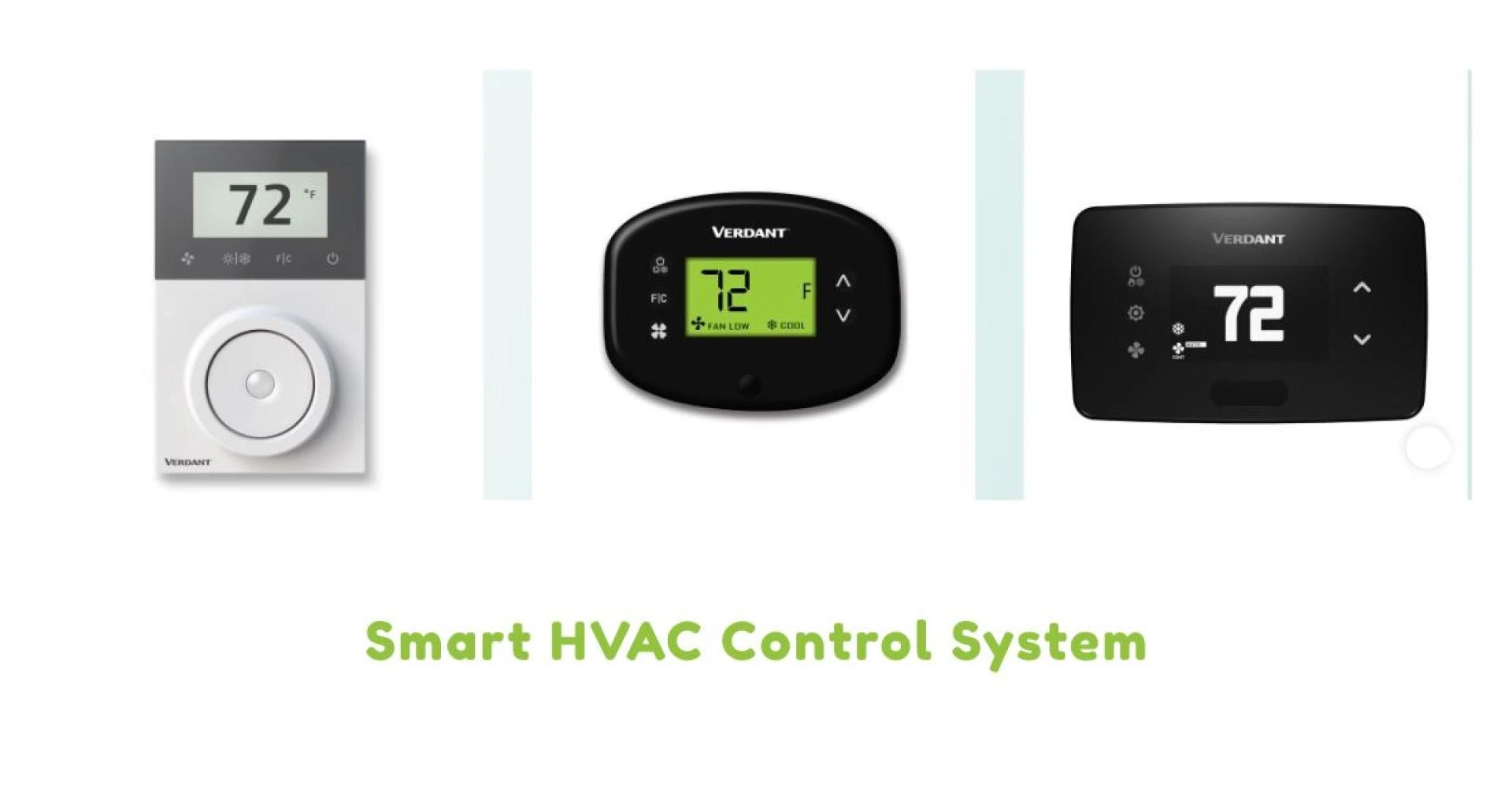
Hospitality Energy Consultants designs its Energy Management System around occupancy, because that is the only signal that actually reflects real use. Their EMS thermostats include built-in occupancy sensing, allowing the room to behave exactly as it should in each moment.
When a guest is present, they control the temperature freely. No restrictions. No noticeable automation. Comfort stays personal and immediate. The system does nothing more than stay out of the way.
When the room is vacant, the thermostat automatically places the HVAC system into an energy-saving setback. Runtime is reduced. The equipment stops working unnecessarily. Energy waste drops without anyone needing to touch a thing.
Comfort Is Protected on Return
The weak point of many energy systems is recovery. Savings disappear if guests return to rooms that feel stale or slow to respond. Hospitality Energy Consultants avoids that problem by allowing recovery times to be fully configurable.
When a guest comes back, the system restores their preferred temperature quickly and predictably. Comfort is not delayed or compromised. The system anticipates return rather than reacting too late.
No Staff Involvement, No Guest Compliance
One of the most overlooked advantages of an occupancy-based system is consistency. There is no reliance on staff behavior. No instructions for housekeeping. No expectation that guests adjust settings responsibly.
The system runs automatically in the background. It makes the same correct decision every time. That reliability is why properties see proven reductions in HVAC energy consumption without operational headaches.
More Than a Thermostat Sale
Many companies sell equipment and walk away. Hospitality Energy Consultants does not. Their solution is fully turnkey, which means they handle system design, configuration, professional installation, and ongoing support.
Thermostat hardware, secure property-wide networking, and centralized monitoring are delivered as a single connected system. Everything works together. Everything is supported. Performance does not depend on outside vendors or internal troubleshooting.
That distinction matters. A system that is sold but not supported eventually stops delivering results. A system that is installed and actively managed continues to save energy year after year.
Features That Serve a Purpose
Every feature exists for a reason. Intelligent setbacks are triggered by actual vacancy, not timers. Night occupancy mode maintains comfort while guests sleep and resumes energy management only after they leave. Humidity control supports indoor comfort alongside temperature, which helps rooms feel balanced rather than overworked.
Nothing here is experimental or excessive. Each function exists to reduce waste while protecting the guest experience.
Final Thoughts
This smart HVAC control system is built for hospitality, multi-family housing, student housing, and senior living facilities. These environments demand comfort, reliability, and consistency. Hospitality Energy Consultants focuses on delivering all three without compromise.
In the end, effective hvac energy management is not about forcing limits or managing people. It is about responding to occupancy, removing guesswork, and letting systems work only when they should. That is how energy waste disappears without anyone feeling the difference.






















Sign in to leave a comment.