

Relying on traditional brass keys to secure a modern enterprise is an operational liability. Physical keys are easily lost, trivial to duplicate without authorization, and provide absolutely no historical log of who opened a door or when. When an employee leaves a company, a physical key ecosystem forces an organization into an expensive, time-consuming cycle of rekeying locks and redistributing physical hardware across the entire staff.
Implementing a modern, electronic access control system replaces these vulnerabilities with a centralized, data-driven security network. By establishing granular digital credentials, a workplace can dynamically regulate movement, protect corporate assets, and convert its physical entry barriers into active intelligence nodes.
1. Upgrading from Vulnerable Wiegand to Secure OSDP Protocol
Many legacy electronic card access setups suffer from a hidden, structural flaw: they communicate using the outdated Wiegand wiring protocol. Designed decades ago, Wiegand transmits data from the wall-mounted card reader back to the door controller in unencrypted, unauthenticated plain text. A malicious actor with brief access to the wiring behind the reader can install an inexpensive, pocket-sized inline device to sniff and clone card data effortlessly.
True workplace security requires upgrading to hardware that utilizes Open Supervised Device Protocol (OSDP). Based on the AES-128 encryption standard, OSDP completely secures the communication channel between the reader and the interface panel. It constantly monitors the wiring path for structural tampering, physical damage, or signal interception attempts. If an unauthorized tapping device is detected on the line, the system immediately cuts data flow to that specific terminal and alerts security personnel of a perimeter breach.
2. Automating Identity Lifecycles via API and Directory Integration
Manually managing access credentials creates a massive windows of vulnerability. When an employee resigns or is terminated, delays in notifying the security team can leave active physical credentials floating around for days or weeks. This lag represents a severe risk of internal data theft, vandalism, or workplace disruption.
Enterprise-grade access control solves this by tying the physical security system directly to the company's internal HR software or identity provider database (such as Okta, Microsoft Entra ID, or active Azure directories) via secure Open Application Programming Interfaces (APIs). The moment a person's employment status is modified or deactivated in the HR system, the access control network instantly and automatically revokes their physical badge privileges globally across every single corporate facility.
Securing Multi-Tenant Workspaces Across Major Economic Corridors

Maximizing the return on investment of an access deployment requires partnering with integrators who design electronic perimeters tailored to local infrastructure demands. For corporate headquarters operating large-scale multi-tenant complexes, integrating these systems through a professional houston business security network ensures that access architecture stays fully online through severe regional power disruptions, localized network failures, and municipal life-safety code compliance checks.
3. Mitigating Tailgating Risks with Anti-Passback Infrastructure
The single biggest human vulnerability in any workplace security plan is "tailgating" or "piggybacking"—where an authorized employee holds a secure door open for someone walking in directly behind them. Even the most sophisticated card reader is rendered useless if multiple unvetted people walk through a single credential scan.
Advanced access control systems deploy Anti-Passback (APB) logical rules to break this behavioral habit. Under anti-passback protocols, the system requires an employee to scan their badge at an inbound reader to log their presence inside a zone before that same badge can ever be used at an outbound reader. If an employee scans in and then hands their badge back through a turnstile to a friend, the system recognizes the out-of-sequence logic and locks down the credential. When paired with smart overhead camera sensors, the network tracks exact spatial occupancy counts and flags any instance where a single badge tap corresponds to two physical bodies clearing a door frame.
4. Edge-Controller Autonomy for Constant Security Failover
A cloud-managed access system offers incredible convenience for administrators, allowing them to manage user permissions, monitor door states, and lock down facilities remotely from any web browser. However, relying entirely on a cloud server means your physical security is completely dependent on your building's live internet connection.
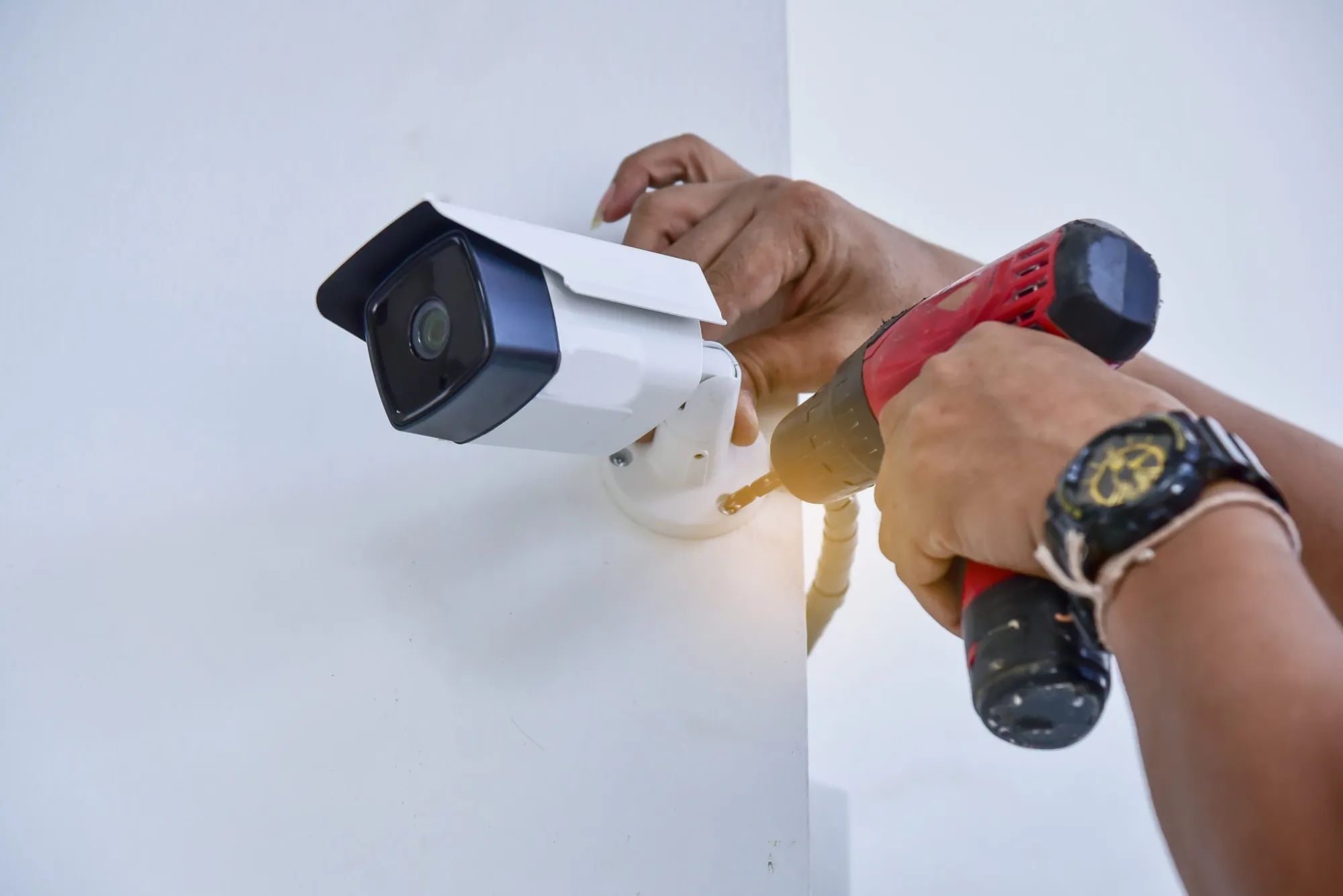
To prevent a network outage from locking employees out or leaving doors stuck open, modern systems deploy autonomous intelligent edge-controllers at every single door opening. These edge-controllers store a complete, localized database of user permissions and credential logs directly on their internal memory chips. If the building loses its primary WAN internet connection or suffers a total corporate network blackout, the doors continue to evaluate credentials, authorize entry, and log activities with zero delay. Once internet connectivity is restored, the edge hardware automatically pushes its offline history log back up to the main cloud database without missing a single byte of data.
Erecting a Resilient Corporate Border
Deploying an entry control matrix changes how an organization manages its daily risks. By partnering with Patriot Security and implementing encrypted OSDP hardware, integrating automated HR directory syncing, enforcing strict anti-passback barriers, and selecting edge-based controller hardware, a company builds an elastic defense system that protects personnel and confidential intellectual property simultaneously. It moves the organization’s security posture from a reactive key-swapping model into an automated, highly visible shield capable of scaling alongside business operations and evolving security demands.
























Sign in to leave a comment.