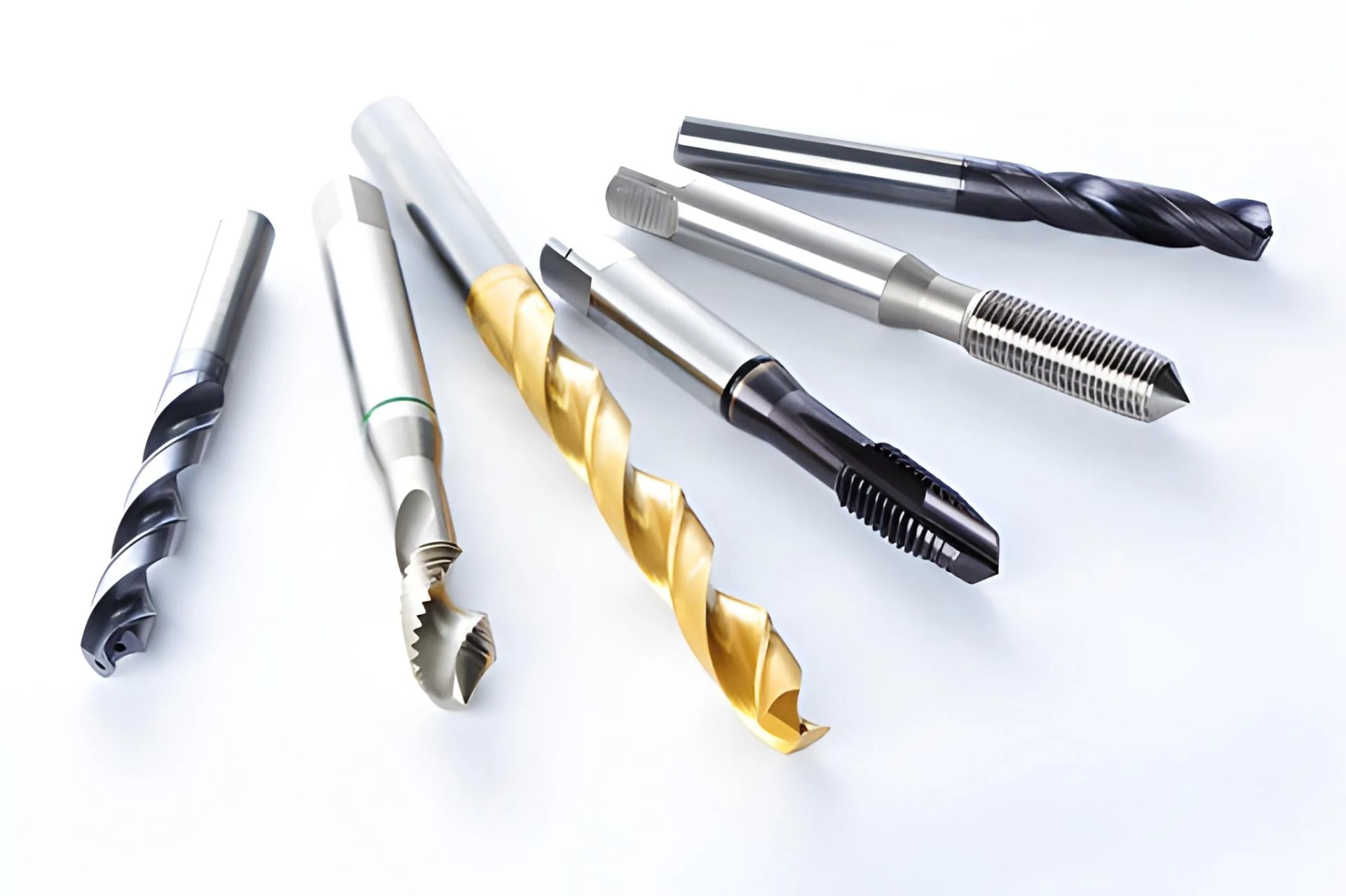

In the world of manufacturing and engineering, the durability of tools is the key to saving money and increasing efficiency. Whether it is a cutting tool, a mold, or a decorative component, wear and tear is a constant challenge. This is where Physical Vapor Deposition (PVD) coating comes in as a game-changer.
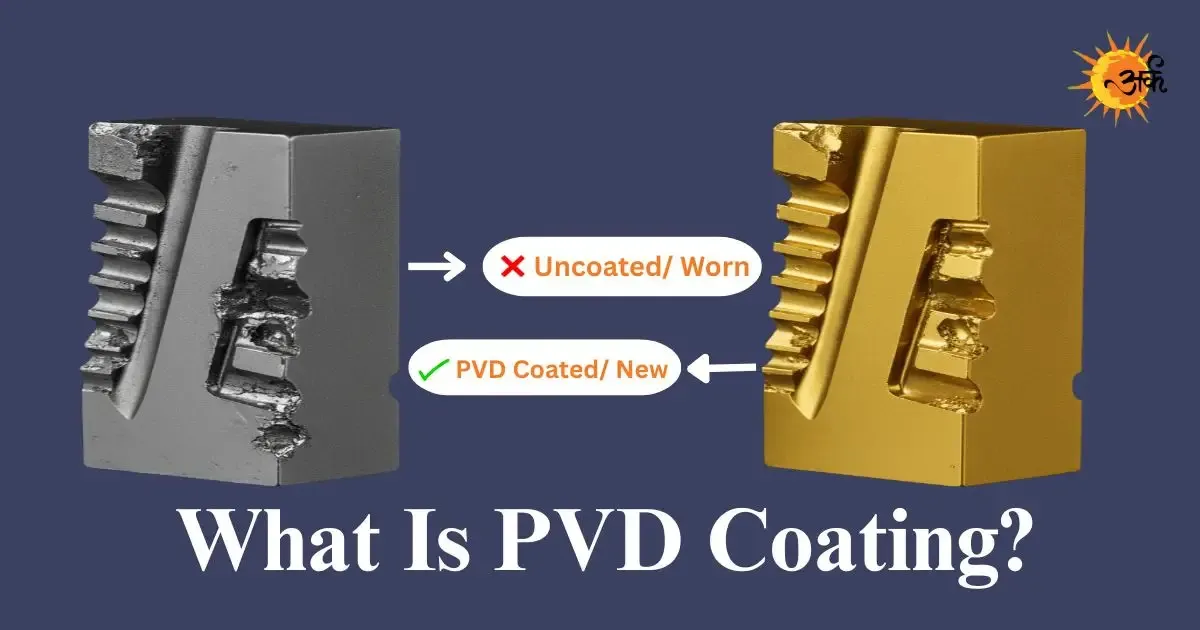
What is PVD Coating?
PVD coating is a high-tech process where a thin, hard layer of material is applied to the surface of a tool or component. This happens inside a vacuum chamber at high temperatures. The result is a surface that is much harder and more resistant than the original metal.
Why Do Industries Need This Coating?
If you are operating in a busy industrial area, you know that machines run for long hours. Tools that are not coated tend to fail due to:
- High Heat: Friction creates heat, which softens the metal.
- Corrosion: Moisture and chemicals can rust the tools.
- Friction: Rough surfaces cause tools to stick or break.
4 Major Benefits of Using Industrial Coatings
1. Increased Tool Life The most significant benefit is longevity. A tool coated with Titanium Nitride (TiN) or similar materials can last 3 to 10 times longer than an uncoated tool. This means fewer replacements and less downtime for your machines.
2. Better Performance Coated tools can operate at higher speeds. Because the coating reduces friction, the tools stay cooler even when working on tough materials like stainless steel or hardened alloys.
3. Resistance to Wear and Corrosion PVD coatings are chemically stable. They act as a shield, protecting the base metal from oxidation and chemical reactions that usually cause tools to degrade over time.
4. High Hardness These coatings are incredibly thin (often thinner than a human hair) but they are harder than steel. This hardness prevents scratches and surface damage during heavy-duty operations.
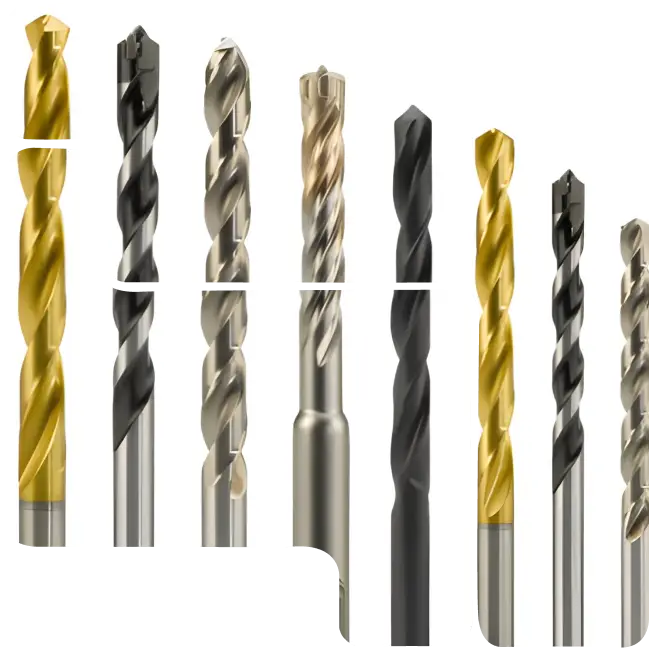
Popular Types of Coatings
Different jobs require different solutions. Some of the most common coatings used in manufacturing include:
- TiN (Titanium Nitride): Great for general-purpose cutting tools.
- AlCrN (Aluminum Chromium Nitride): Excellent for high-temperature applications.
- DLC (Diamond-Like Carbon): Perfect for parts that need very low friction and high hardness.
Conclusion
Investing in high-quality surface treatments is a smart move for any manufacturing business. It reduces the cost per part and ensures that your production line stays active for longer. If you want to achieve these results for your own equipment, it is best to partner with an experienced pvd coating company that understands industrial requirements.
#Manufacturing #Engineering #PVDCoating #IndustrialTools #MetalFinishing.





















Sign in to leave a comment.