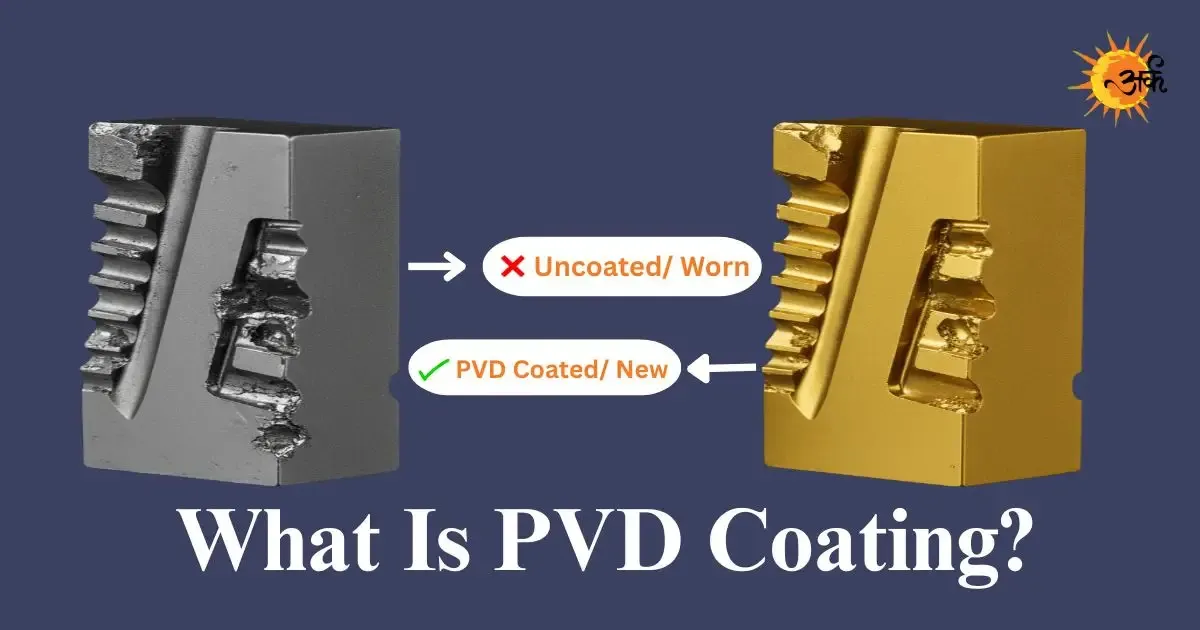

In modern manufacturing, improving the performance and lifespan of tools and components is essential for maintaining efficiency and reducing costs. Industries such as automotive, aerospace, tooling, and engineering rely on advanced surface technologies to protect materials from wear, heat, and corrosion. One of the most effective solutions is PVD coating.
This blog provides a complete understanding of what is PVD coating, along with its uses, benefits, and step-by-step process.
What is PVD Coating?
Physical Vapor Deposition (PVD) is a vacuum-based coating process used to deposit a thin, hard layer onto a material surface. In this process, a solid coating material is vaporized and then deposited onto the substrate, forming a highly durable and uniform coating.
Although the coating thickness is typically only a few microns, it significantly enhances surface properties such as hardness, wear resistance, corrosion resistance, and heat stability. This makes PVD coating an ideal hard coating for industrial tools.
How Does the PVD Coating Process Work?
The PVD coating process involves several precise steps carried out in a controlled vacuum environment:
1. Surface Preparation
The component is thoroughly cleaned to remove contaminants such as oil, dust, and oxidation. Proper cleaning ensures strong coating adhesion.
2. Vacuum Chamber Setup
The cleaned components are placed inside a vacuum chamber where air is removed to create a controlled environment.
3. Material Vaporization
The coating material (such as titanium or aluminum compounds) is heated or ionized until it transforms into vapor.
4. Deposition
The vaporized material condenses onto the surface of the component, forming a thin and uniform coating layer.
5. Cooling and Finishing
The coated components are cooled and inspected to ensure quality and performance.
This process ensures high precision, strong adhesion, and consistent coating quality.
Uses of PVD Coating
PVD coating is widely used across multiple industries due to its versatility and effectiveness.
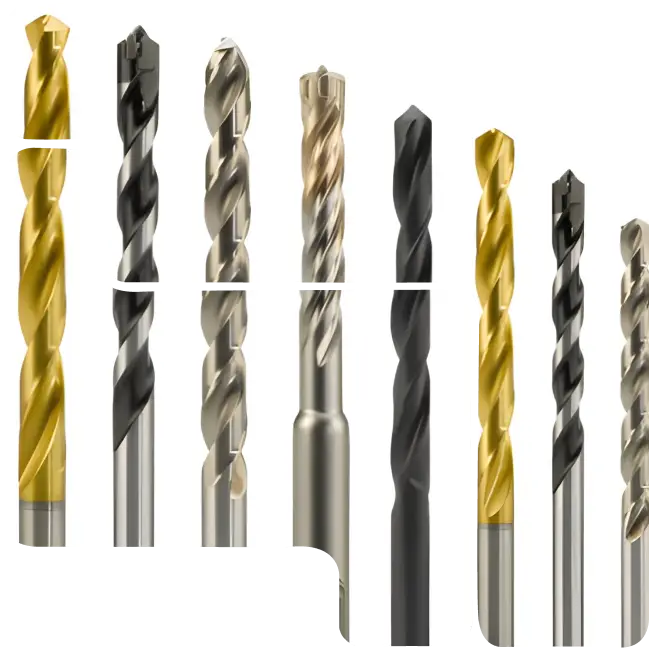
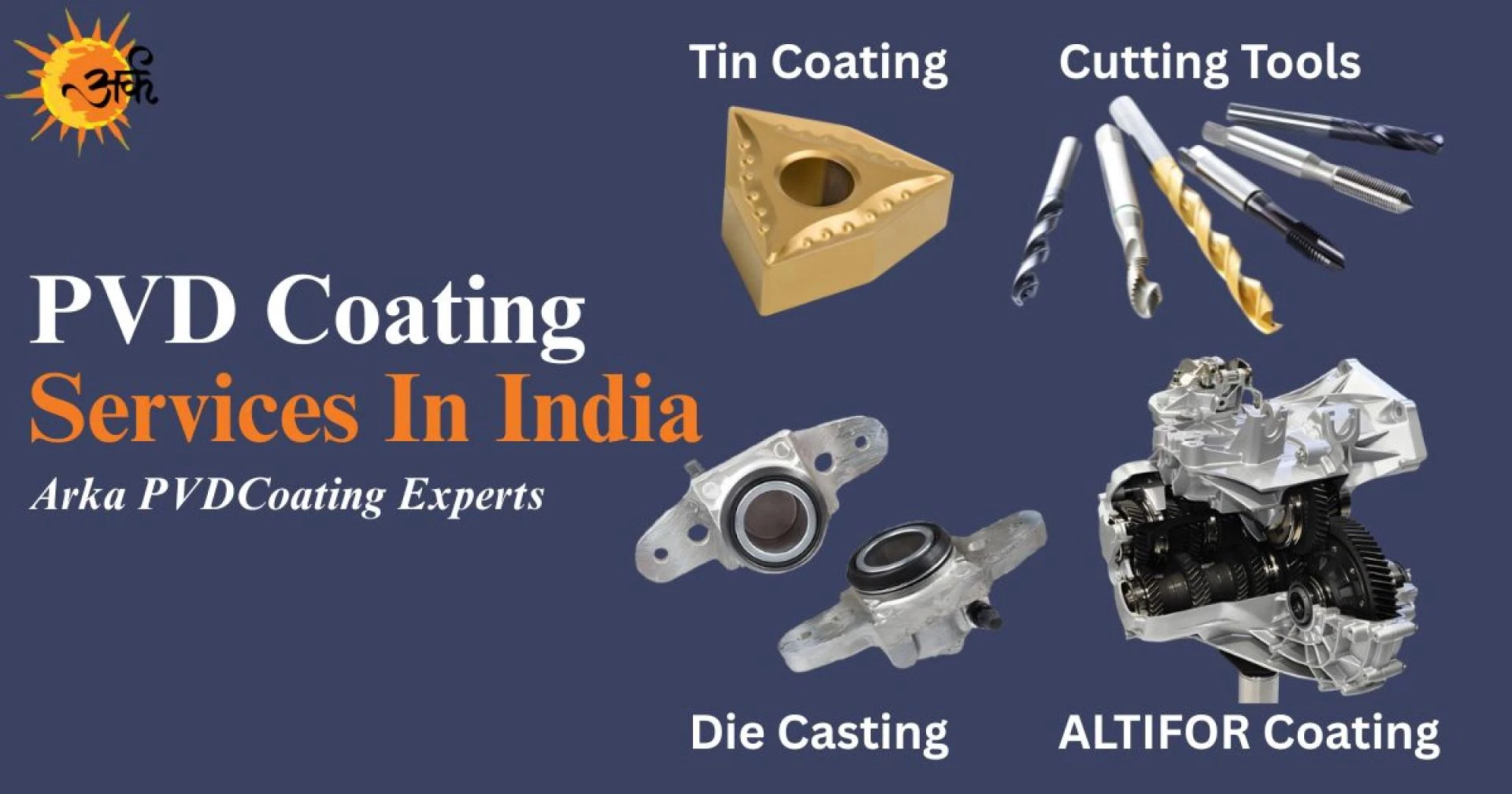
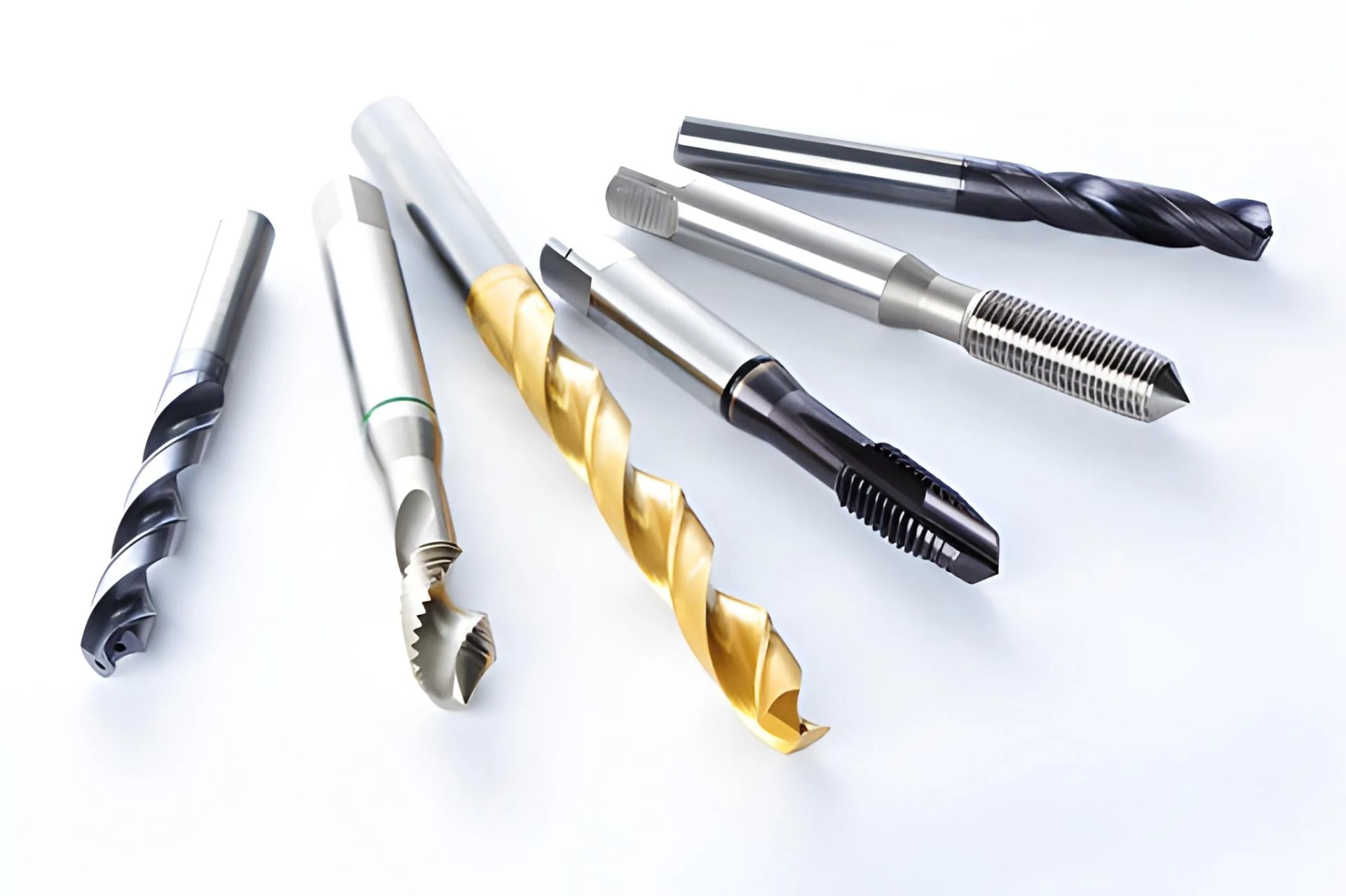
In the machining industry, it is applied to cutting tools such as drills, taps, and inserts to improve wear resistance and performance. In die and mold applications, PVD coatings reduce friction and extend tool life under high pressure and temperature conditions.
The automotive industry uses PVD coating for engine components and precision parts to reduce wear and improve efficiency. In aerospace applications, it enhances durability and heat resistance of critical components.
Additionally, PVD coating is used in decorative applications such as watches, jewelry, and architectural hardware due to its attractive finish and durability.
Benefits of PVD Coating
One of the primary benefits of PVD coating is increased hardness, which protects surfaces from wear and abrasion. This results in extended tool life and reduced replacement costs.
Another major advantage is reduced friction, which improves efficiency and minimizes heat generation during operations. This leads to smoother performance and better surface finish.
PVD coatings also provide excellent heat and oxidation resistance, allowing tools to perform reliably in high-temperature environments. Additionally, they offer corrosion resistance, protecting components from environmental damage.
Overall, these benefits contribute to improved productivity, reduced downtime, and lower maintenance costs.
Common Types of PVD Coatings
Several types of PVD coatings are used depending on the application:
- Titanium Nitride (TiN) – General-purpose coating with high hardness
- Titanium Aluminium Nitride (AlTiN) – Ideal for high-temperature applications
- Aluminium Chromium Nitride (AlCrN) – Excellent for oxidation resistance
- TiSiN – Nano-composite coating for high-speed machining
- DLC – Low friction coating for precision components
Each coating offers unique properties tailored to specific industrial needs.
Why Choose PVD Coating?
PVD coating is preferred by industries because it provides a combination of performance, durability, and cost efficiency. It enhances the lifespan of tools and components while improving overall productivity.
With advancements in coating technology, PVD coating continues to evolve, offering more specialized solutions for modern industrial challenges.
Conclusion
Understanding what is PVD coating and its uses, benefits, and process is essential for industries aiming to improve efficiency and reduce costs. This advanced coating technology provides a reliable way to enhance surface performance and extend tool life.
From cutting tools and dies to automotive and aerospace components, PVD coating has become an integral part of modern manufacturing. Its ability to deliver durability, efficiency, and long-term value makes it a preferred choice across industries.



























Sign in to leave a comment.