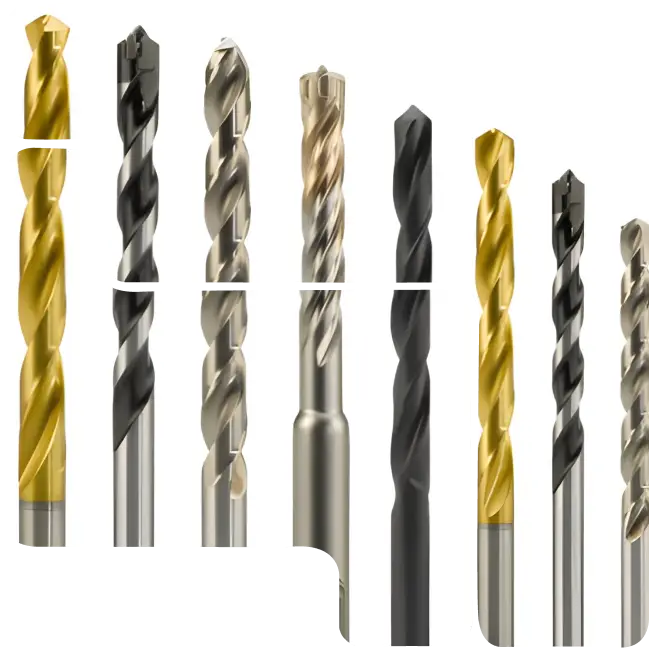

In today’s high-precision manufacturing environment, cutting tools must perform under extreme conditions, including high temperatures, friction, and continuous mechanical stress. To meet these demands, industries are increasingly adopting PVD coating for cutting tools as a reliable solution to enhance durability, performance, and efficiency.
From CNC machining to heavy industrial operations, PVD coatings have become essential for extending tool life and improving productivity. This blog explains what is PVD coating, its importance for cutting tools, and how advanced coatings like Titanium Nitride (TiN) coating and PVD gold coating deliver superior results.
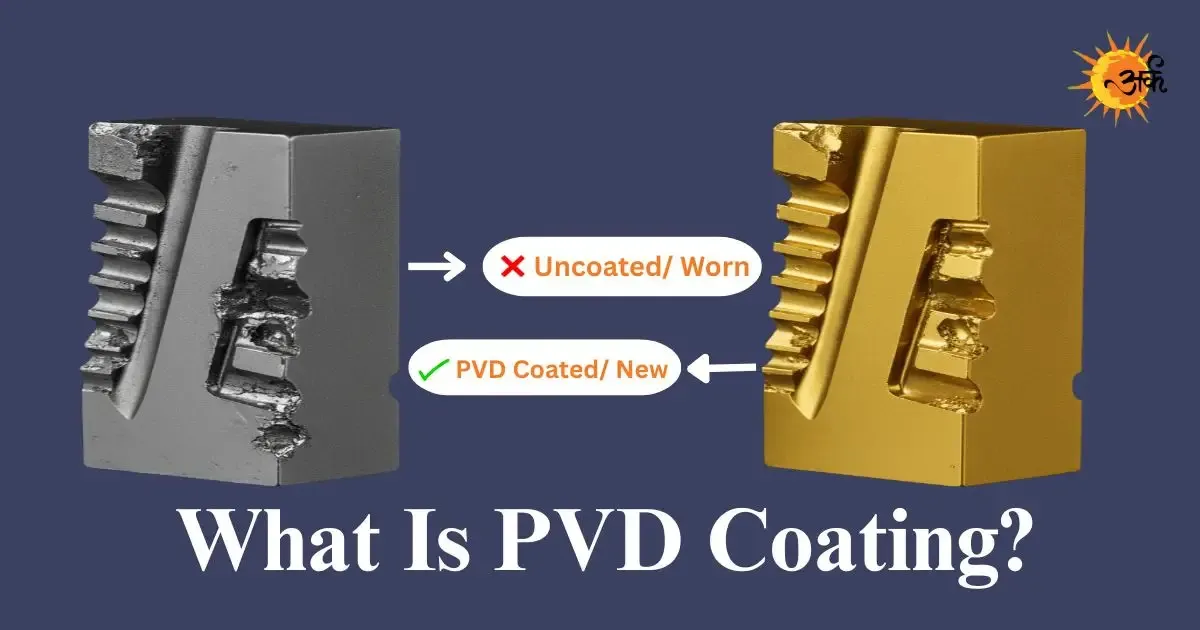
What is PVD Coating?
Physical Vapor Deposition (PVD) is an advanced vacuum coating process used to deposit a thin, hard layer of material onto metal surfaces. In this process, a solid coating material is vaporized in a controlled environment and then deposited onto the tool, forming a highly durable and wear-resistant film.
Although the coating thickness is typically only a few microns, it significantly enhances surface properties such as hardness, wear resistance, and heat stability. This makes PVD coating an ideal choice for cutting tools that operate under high stress and temperature conditions.
Importance of PVD Coating for Cutting Tools
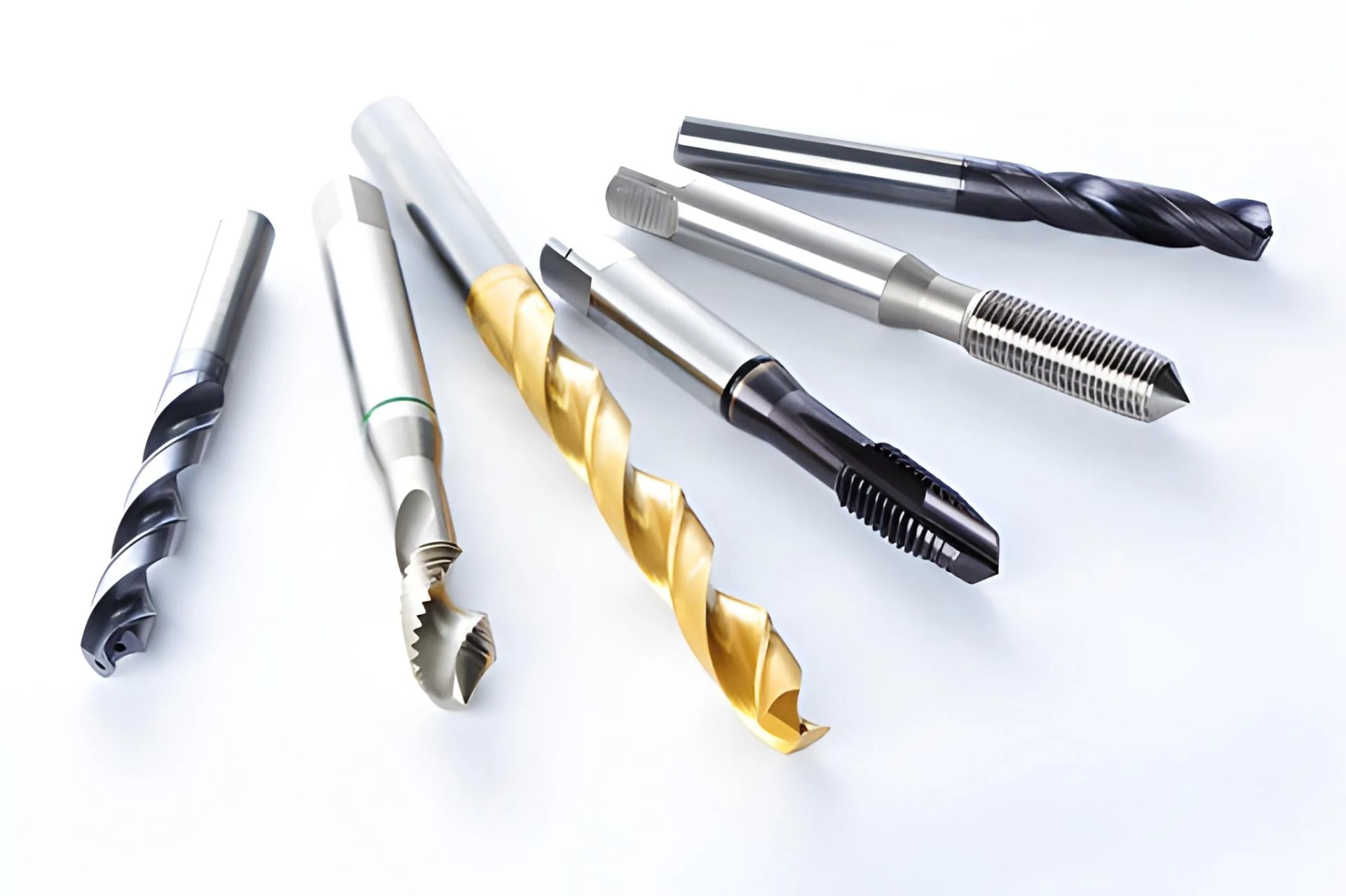
Cutting tools such as drills, end mills, inserts, and taps are constantly exposed to friction and heat during machining operations. Without proper protection, these tools can wear out quickly, leading to reduced efficiency and increased operational costs.
PVD coating for cutting tools provides a protective barrier that reduces friction and prevents direct contact between the tool and the workpiece. This helps maintain sharp cutting edges, improves machining accuracy, and ensures consistent performance.
According to industry applications, PVD coatings protect tools from wear, improve cutting performance, and significantly extend tool life, resulting in reduced downtime and cost savings.
Titanium Nitride (TiN) Coating for Cutting Tools
Titanium Nitride is one of the most widely used coatings in the cutting tool industry. Known for its distinctive gold appearance, Titanium Nitride (TiN) coating provides an excellent combination of hardness, low friction, and durability.
TiN coating is applied using the PVD process and forms a thin ceramic layer on the tool surface. This layer significantly improves wear resistance and reduces heat generation during cutting operations.
One of the key advantages of TiN coating is its ability to increase tool life by up to 3 times compared to uncoated tools, making it a cost-effective solution for manufacturers.
PVD Gold Coating: Performance with Aesthetic Value
PVD gold coating is often associated with TiN coating due to its gold-like finish. However, its value goes beyond appearance. The gold coating is actually a functional layer that enhances hardness and reduces friction, improving overall tool performance.
This type of coating is widely used in drills, taps, and inserts where both performance and identification are important. The gold finish also helps in easy tool recognition on the shop floor, improving operational efficiency.
Types of PVD Coatings for Cutting Tools
Different machining conditions require different coating solutions. Some of the most commonly used PVD coatings include:
- TiN (Titanium Nitride): Ideal for general-purpose machining
- AlTiN (Titanium Aluminum Nitride): Best for high-temperature applications
- AlCrN (Aluminum Chromium Nitride): Suitable for extreme heat and oxidation resistance
- TiSiN (Nano Composite Coating): Designed for high-speed and hard material machining
Each coating offers unique properties that help tools perform efficiently under specific conditions. For example, nano composite coatings provide ultra-high hardness and excellent heat resistance, making them suitable for advanced machining operations.
Benefits of PVD Coating for Cutting Tools
PVD coatings offer several advantages that directly impact manufacturing efficiency and cost-effectiveness.
One of the biggest benefits is extended tool life. Coated tools can last significantly longer than uncoated ones, reducing the need for frequent replacements. Additionally, PVD coatings improve wear resistance and reduce friction, which results in smoother cutting operations and better surface finish.
Another major advantage is heat resistance. Advanced coatings like TiN and AlTiN can withstand high temperatures, preventing tool deformation and maintaining performance even in demanding conditions.
PVD coatings also help reduce downtime and maintenance costs. By improving tool durability and performance, manufacturers can achieve higher productivity and consistent quality in their operations.
Applications of PVD Coating in Cutting Tools
PVD coatings are widely used across various cutting tool applications. These include drills, end mills, inserts, reamers, and taps used in industries such as automotive, aerospace, and heavy engineering.
The coating enhances chip flow, reduces friction, and ensures cleaner cuts, which is essential for precision machining. It also improves tool reliability in high-speed operations, making it a preferred choice for modern manufacturing processes.
Why Choose Professional PVD Coating Services?
Choosing the right coating provider is crucial for achieving optimal results. Professional coating services ensure proper coating thickness, strong adhesion, and consistent quality.
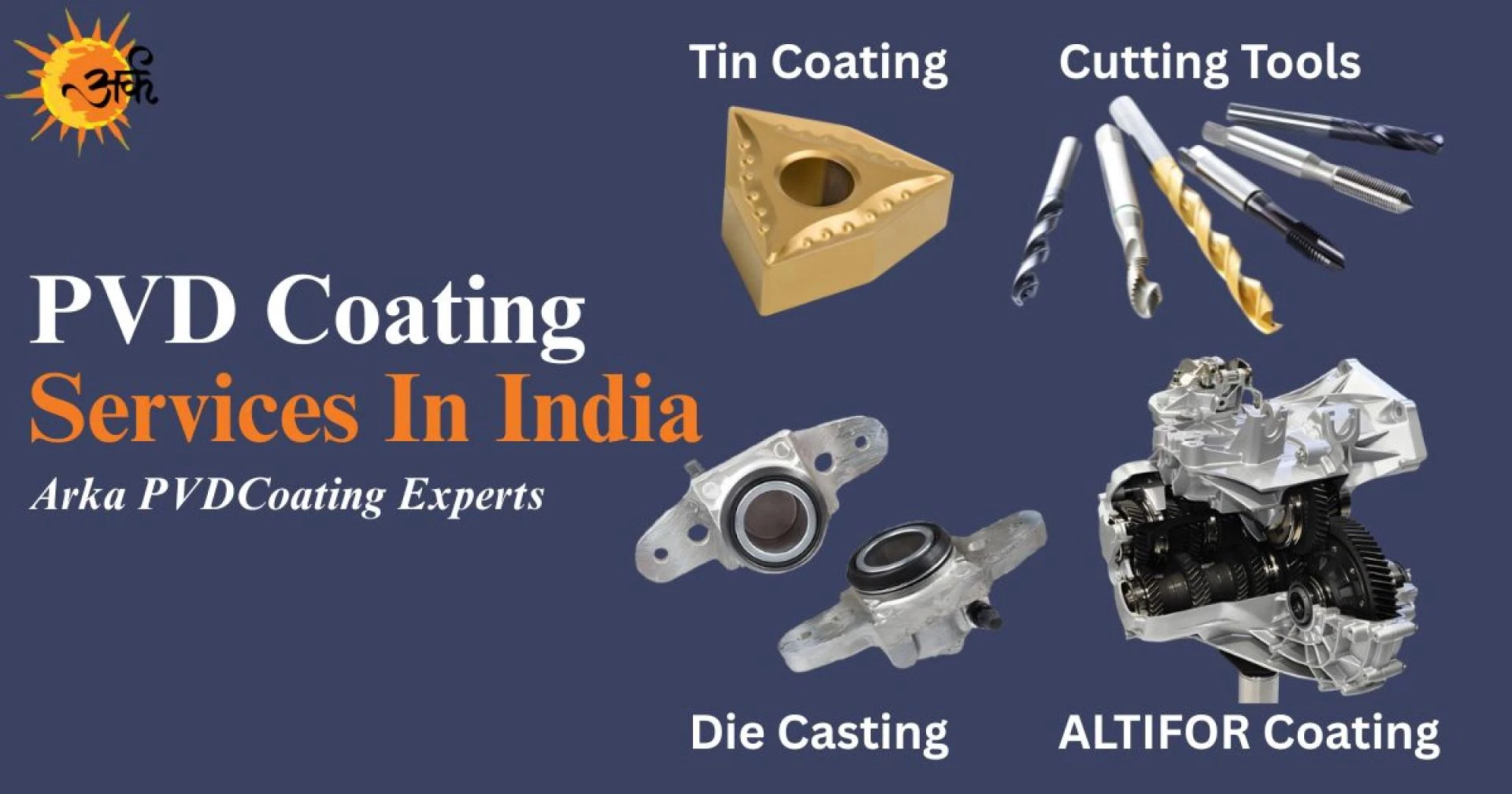
Advanced coating providers in India offer customized solutions based on tool type and application requirements. By selecting a reliable partner, manufacturers can maximize the benefits of PVD coating and improve overall production efficiency.
Conclusion
PVD coating has become an essential technology for enhancing the performance of cutting tools in modern manufacturing. By understanding what is PVD coating and its applications, industries can make informed decisions to improve efficiency and reduce costs.
From Titanium Nitride (TiN) coating to advanced solutions like AlTiN and TiSiN, PVD coating for cutting tools offers unmatched durability, heat resistance, and performance. Whether it is improving tool life, reducing friction, or achieving precision machining, PVD coating remains a key solution for industrial success.


















Sign in to leave a comment.