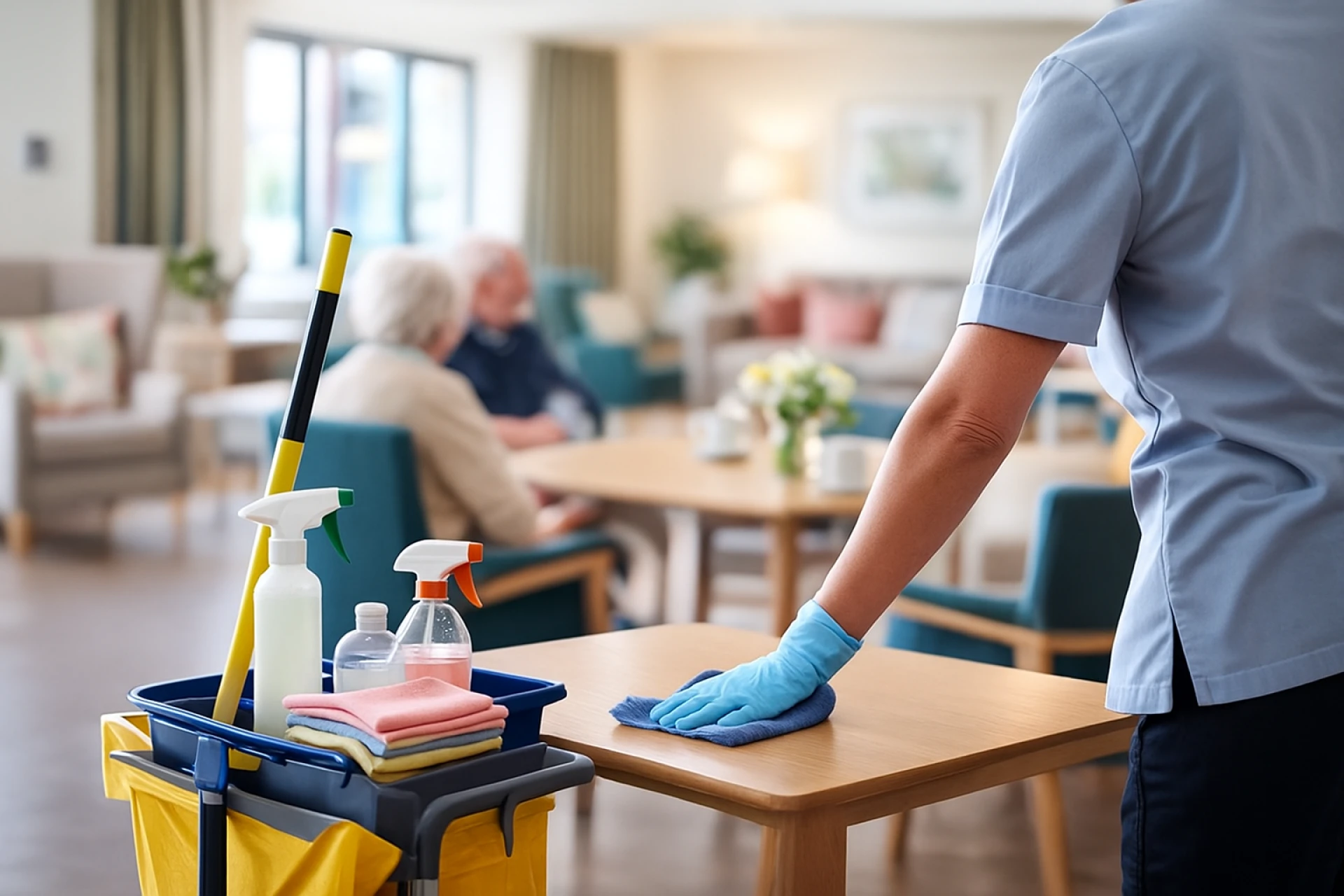

Maintaining high hygiene standards in aged care is more than a compliance task. It’s part of creating a safe, steady, and comfortable living environment for older adults who rely on consistent support. As facilities across Australia reassess their approach to infection control and daily cleaning routines, the conversation increasingly shifts toward how the choice of aged care cleaning products shapes resident wellbeing on both a physical and emotional level.
Aged care providers deliver support to people with varying needs, and cleaning practices form part of the everyday structure that helps residents feel grounded. The products used touch almost every aspect of their surroundings, from dining rooms and communal lounges to high-care units, dementia wings, and private suites. Understanding their impact is a necessary step for facilities committed to high standards of care.
The Link Between Cleaning Products and Resident Health
Reducing Illness Through Effective Surface Protection
In communal living environments, viruses and bacteria may spread easily if surfaces are not cleaned thoroughly and consistently. Common organisms found in aged care settings include influenza viruses, norovirus, and various respiratory infections that may be particularly dangerous for older adults. Effective aged care cleaning products help reduce the spread of these pathogens by breaking down organic residue and removing the microbial load before it has the chance to circulate.
The risk increases significantly when unsuitable or outdated chemicals are used. Products that appear to disinfect but fail to meet the conditions for proper contact time may leave harmful organisms behind. When cleaning involves multiple staff members working across different wings, consistency in product use becomes part of infection control planning.
Supporting Respiratory Comfort and Sensory Needs
Many older adults are sensitive to strong fragrances, harsh chemicals, and aerosols. These substances may irritate the respiratory system or trigger discomfort among residents with asthma, COPD, or general sensory sensitivities. Choosing gentle, purpose-formulated products helps maintain breathable, calming indoor environments.
Fragrance-free or low-fragrance options are especially useful in dementia care settings. Strong smells may cause agitation or confusion, while milder products promote a sense of calm. Internal content about wellbeing, such as the articles on Writeupcafe’s health category may naturally complement this discussion by providing context around comfort and care.
Creating a Safe and Respectful Living Environment
Minimizing Hazards for Residents and Staff
A clean space must also be a safe one. Residue from poorly formulated products may increase slip hazards on hard floors, especially in bathrooms and kitchens. Aged care workers rely on predictable product performance so they may apply solutions quickly and reduce risk. When surfaces dry clear and remain non-greasy, everyone benefits—residents, nurses, carers, and visitors.
Ergonomic product design also plays a role. Packaging that is easy to handle and dispense supports staff who complete cleaning tasks repeatedly throughout a shift. Bottles with clear labels, simple dilution instructions, and secure lids help reduce errors while promoting efficiency.
The Emotional and Psychological Impact of Clean Spaces
A tidy, fresh-smelling room gives residents a sense of dignity. For many, their environment reflects how they feel about their day. Clutter, odours, and visible dirt may contribute to anxiety, stress, or a lack of control over their surroundings. A well-kept space, on the other hand, offers reassurance and stability.
Family members visiting a loved one assess cleanliness almost immediately. It provides a quick visual indicator of overall care quality. Facilities that emphasize good cleaning systems may give residents and families a more positive perception of day-to-day life inside the home. Lifestyle-oriented content helps reinforce this element for readers seeking broader context around comfort and liveability.
Choosing Products That Support High-Care and Low-Care Environments
Matching Formulas to Facility Needs
Different wings in aged care settings may require different product characteristics. High-dependency areas often need more frequent cleaning with products that have proven antimicrobial performance. Areas supporting residents with dementia benefit from mild, non-agitating formulas. Independent living wings may prioritize general cleanliness and visual freshness.
Using consistent cleaning products across the facility helps streamline training and reduce accidents. It also supports predictable performance, which is critical for infection control planning.
Benefits of Purpose-Designed Cleaning Solutions
Facilities that choose products developed specifically for the aged care sector often report improved workflow and better resident comfort. These options tend to balance effectiveness with resident safety, fragrance control, and surface compatibility. Bloggers and facility managers often reference trusted industry suppliers when discussing product selection, such as aged care cleaning products by Ramsey Agencies which offer purpose-designed options to support hygiene routines in sensitive care settings.
How Staff Training and Product Choice Work Together
Reducing User Error and Improving Compliance
Even the best cleaning system may fall short without well-supported staff. Clear instructions, colour-coded bottles, and straightforward dilution ratios reduce the likelihood of incorrect application. This becomes particularly important in facilities where multiple people share cleaning responsibilities across varied shifts.
Simplified processes are more likely to be followed accurately. When staff may trust what they are using and know how to use it safely, compliance increases naturally.
Encouraging Staff Confidence and Efficiency
Cleaners, nurses, and personal care workers often complete high volumes of cleaning tasks each day. Using products that deliver predictable results helps reduce repeat work, improve shift flow, and support a calmer workplace. Staff morale may rise when they feel equipped with solutions that work reliably.
A confident team contributes directly to how residents perceive their living environment. A calm, well-organised cleaning process may reduce disruption, noise, and unnecessary movement around residents who may be resting or receiving care.
The Future of Aged Care Cleaning: Innovations to Watch
Low-Toxicity Formulations and Eco-Aware Choices
The aged care sector continues to shift toward safer, environmentally conscious products. These cleaning options aim to limit resident exposure to harsh chemicals while still meeting hygiene requirements. Low-toxicity solutions may also reduce the impact of chemical runoff and improve indoor air quality.
As regulations and expectations evolve, more facilities are adopting cleaning products that align with sustainability commitments without compromising performance.
Technology and Smart Cleaning Systems
Automated hygiene monitoring tools, sensor-triggered dispensing systems, and data-driven cleaning schedules are beginning to appear in advanced care settings. While technology cannot replace the skill of experienced staff, it may support them by identifying high-traffic zones, tracking cleaning frequency, and improving resource management.
The combination of smart systems and the right cleaning products may strengthen a facility’s ability to maintain a high standard of cleanliness throughout the day.
Conclusion: The Role of Quality Cleaning Products in Resident Wellbeing
The wellbeing of aged care residents depends not only on medical care but also on the everyday details that make life comfortable and safe. Aged care cleaning products play an essential role in shaping that experience, influencing health outcomes, emotional comfort, and the ease with which staff may maintain a consistent routine. When facilities prioritize product selection with residents in mind, the benefits may be felt across the entire community.




























Sign in to leave a comment.